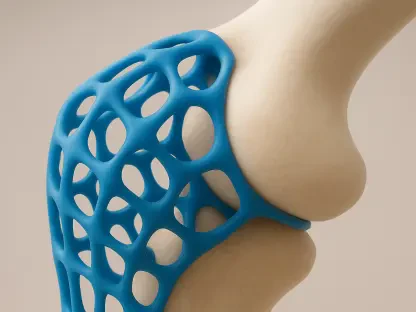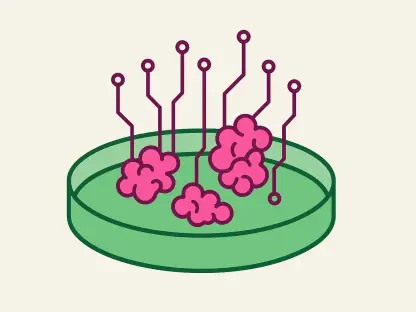

The development of a gelatin methacryloyl hydrogel scaffold provides a biocompatible framework that mimics the natural extracellular matrix for cell growth. This innovation, spearheaded by Professor Jun Liu and a dedicated research team at Sichuan University, marks a pivotal advancement in the
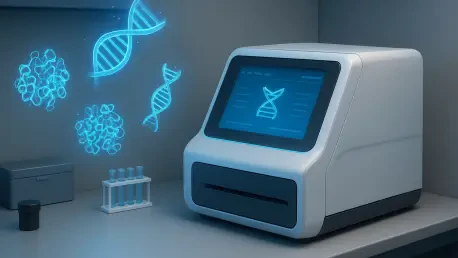
Desktop DNA synthesis machines are combining with AI-driven design tools to lower the technical barriers required for synthesizing dangerous biological sequences in non-traditional settings. This technological synergy, while fueling unprecedented advancements in medicine and sustainable

Whole-genome sequencing of mosquito specimens from across Burkina Faso has provided a high-resolution map of the single nucleotide polymorphisms that drive malaria transmission. This extensive genomic survey, orchestrated by a multi-institutional coalition including the Burkinabé Ministry of Health

The inaugural Singapore Engineering Biology Week in October 2026 will showcase the nation’s progress in research translation and the bioeconomy. This landmark event serves as the backdrop for the unveiling of the National Centre for Engineering Biology, a specialized facility hosted at the National

Secrecy surrounding high-level biodefense facilities complicates global health security by hindering the international cooperation necessary to contain emerging laboratory-acquired infections. The recent death of Darya Shipilova, a 28-year-old laboratory worker at the Anti-plague Research Institute
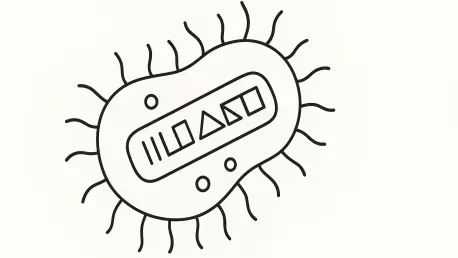
A significant discovery in algal synthetic biology reveals that promoter strength is not an intrinsic property but is heavily influenced by the specific terminator pairing used in the genetic construct. This breakthrough, emerging from intensive research into the marine microalga Nannochloropsis ,