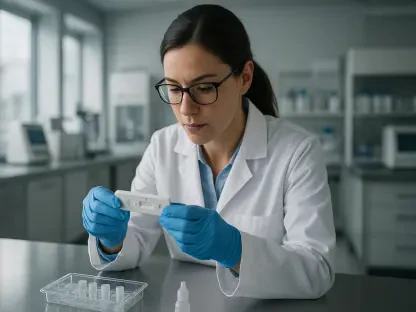

Introduction Texas is currently navigating a pivotal moment in public health as it confronts the reality that a disease which is almost entirely preventable continues to affect thousands of women across the state every year. During the Cancer Prevention and Research Institute of Texas 2026

BeneMeat’s partnership with the Italian brand FORZA10 serves as a practical case study for the commercial application of cultivated cells in the animal feed sector. This collaboration marks a significant milestone in the broader trajectory of cellular agriculture, moving beyond speculative research

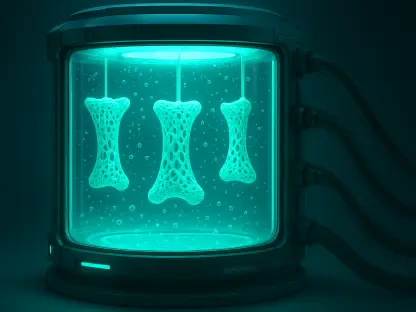
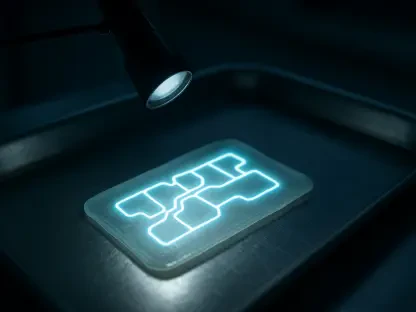
The design flexibility of bioprinted vascular platforms allows for the customization of cell ratios and geometries to meet the specific needs of individual patients. This high level of precision is particularly vital in 2026, as the medical community continues to face the mounting challenge of
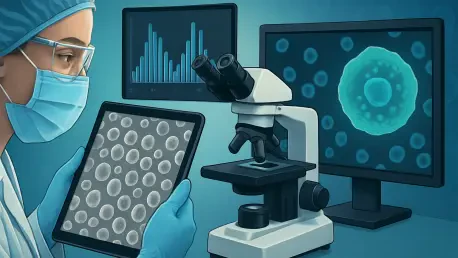
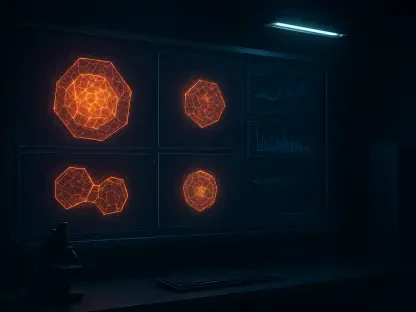
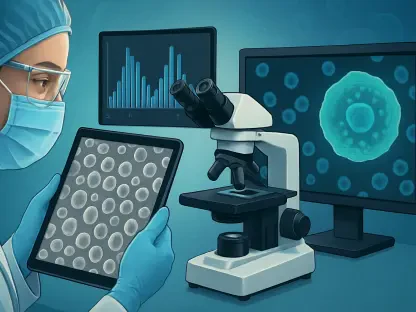
Digital Holographic Microscopy generates quantitative images by measuring how light slows down as it passes through the dense internal structures of a cell. This sophisticated approach to visualization has become a cornerstone of laboratory precision in 2026, marking a definitive departure from the

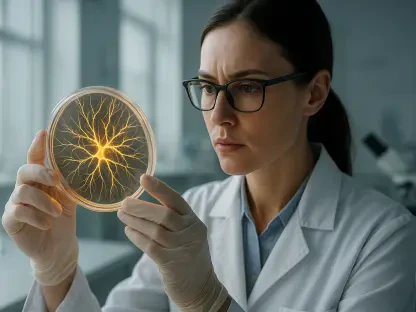
Regulatory initiatives for standardized organoid modeling emphasize the need for robust methodologies that minimize the impact of the human factor on cell health. While the landscape of modern cell biology has been transformed by sophisticated genetic engineering tools, the fundamental day-to-day
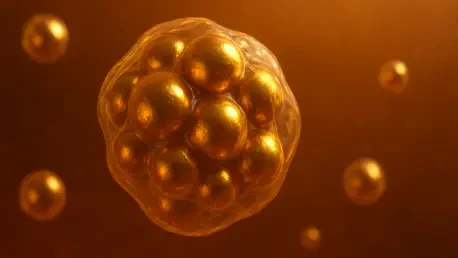
The integration of near-infrared light with gold nanoparticles allows clinicians to thermally destroy cancer cells from the inside out without harming surrounding tissue. This technological breakthrough addresses a critical need in oncology, as colon cancer currently maintains its position as one
1 2 3 4 5 6 7 8 9 10 11 12 13 14 15 16 17 18 19 20 21 22 23 24 25