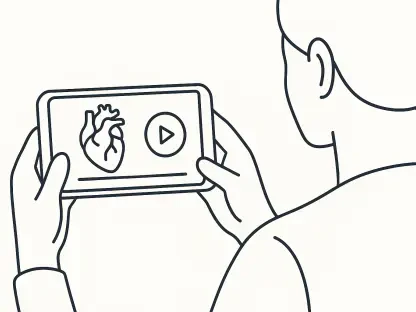

Short-form content on Bilibili frequently focuses on the underlying causes and symptoms of aortic disease, offering a more lecture-oriented approach than the high-impact style of TikTok. This divergence in presentation underscores a growing challenge for patients navigating the digital health

Evidence from a clinical validation cohort of 30 participants confirms that PTCHD1 expression levels are significantly lower in patients with degenerative tendon conditions. This revelation marks a pivotal shift in the medical community's understanding of tendinopathy, a condition that has long

The approximately five-month delay between the initial system compromise and the mailing of victim notification letters has sparked concerns regarding vendor oversight and detection speed. When the Kentucky Cabinet for Health and Family Services (CHFS) announced that a security incident had

While losartan appears to boost the activity of brown adipose tissue, concurrent research suggests that selective serotonin reuptake inhibitors may actually suppress this beneficial metabolic process. This dynamic highlights a critical intersection in modern pharmacology as of 2026, where
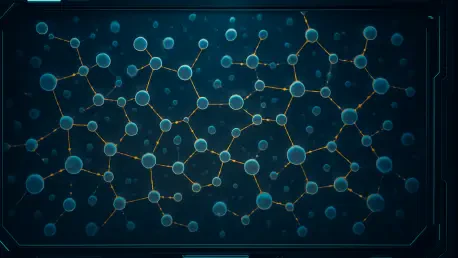
Recent advancements in nanomedicine have positioned cellular nanodiscs as a vital innovation, yet their physical dimensions significantly dictate their therapeutic performance. These biomimetic structures, often harvested from natural cell membranes, represent a paradigm shift in how clinicians

The use of liquid biopsies for rapid genomic analysis provides a vital alternative for frail pediatric patients who cannot survive the trauma of traditional invasive diagnostic procedures. Recent breakthroughs in pediatric oncology at Addenbrooke’s Hospital have fundamentally changed the approach
1 2 3 4 5 6 7 8 9 10 11 12 13 14 15 16 17 18 19 20 21 22 23 24 25 26 27 28 29 30 31 32 33 34 35 36 37 38 39 40 41 42 43 44 45 46 47 48 49 50 51 52 53 54 55 56 57 58 59 60 61 62 63 64