







Recent Phase Ib clinical data revealed that patients with recurring major depressive disorder
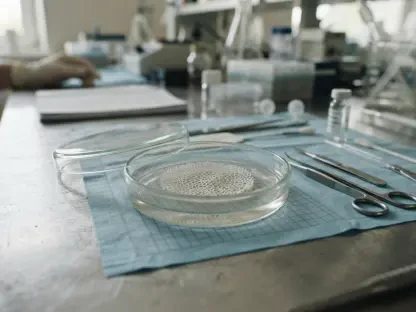
The future of regenerative medicine may depend on refining extraction processes to preserve

The aggressive nature of triple-negative breast cancer often leaves clinicians with a narrow window for effective intervention due to its lack of hormone receptors and rapid metastatic progression. This specific subtype has historically bypassed traditional targeted therapies, necessitating a
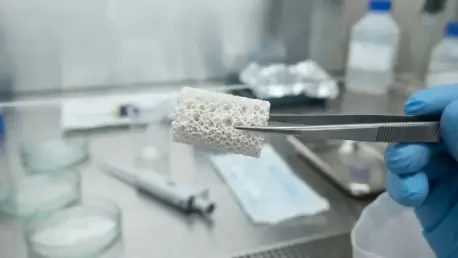
By mimicking the natural bone extracellular matrix, these composite scaffolds address the physiological limitations of existing synthetic materials used in orthopedic surgery. The global healthcare landscape is currently navigating a quiet but profound crisis as bone-related injuries and

The sheer volume of ephemeral cookie probes identified during the audit highlights the complex

Institutional investors now manage portfolios by treating inadequate environmental, social, and
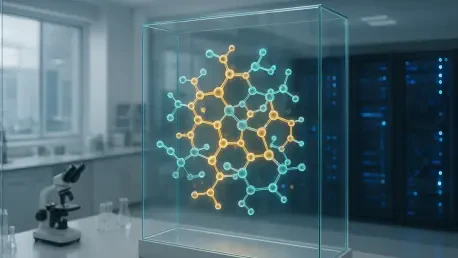
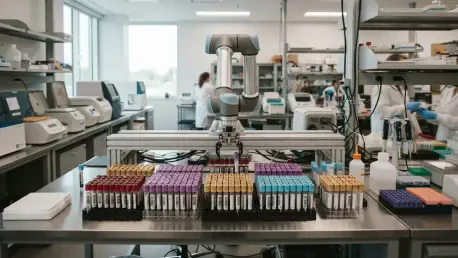
The partnership between Eli Lilly and NVIDIA to build a supercomputer capable of running trillions of molecular simulations is a signal that biopharma’s approach to drug discovery is changing at a s…

Over the past few years, applying AI to drug discovery has become a crowded, well-funded field. In
The move from research-level discovery to established clinical use is a critical juncture that
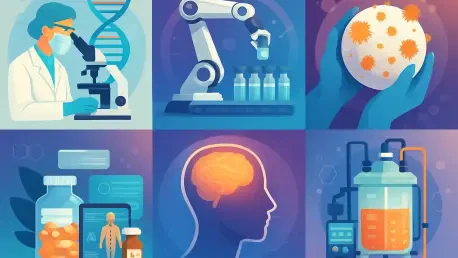
The biopharma playbook is being actively rewritten. After years of chasing breakthrough science at

In 2026, boards and customers are asking a direct question: can promising science be turned into
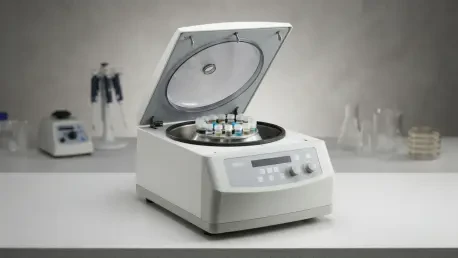
Machine learning models have identified N-terminal pro-B-type natriuretic peptide as the most influential factor for predicting stroke risk in otherwise low-risk patients. This breakthrough illustrates a broader transformation in the management of atrial fibrillation (AF), which remains the most

Formal disclosure requirements for prompt logs and manuscript influence vary widely across the
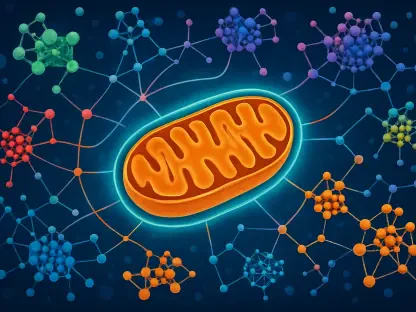
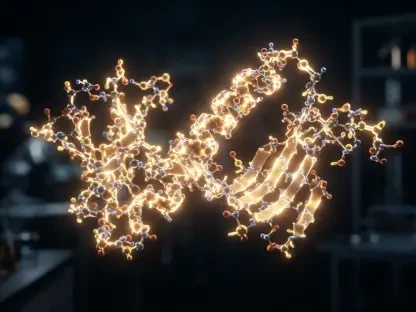
Modern metabolic research has long been stymied by the fact that nearly one-third of the proteins