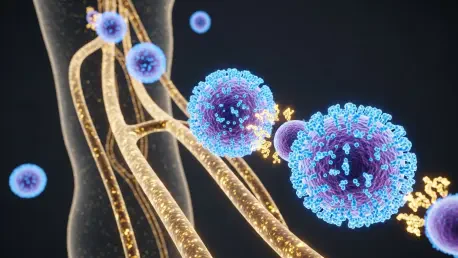

The medical world is standing at the precipice of a pharmaceutical revolution that promises to turn the most sophisticated cancer treatments into accessible, off-the-shelf injections. For years, chimeric antigen receptor T-cell therapy has been a beacon of hope for patients with refractory blood cancers, yet its reach has been severely limited by the sheer complexity of harvesting, modifying, and re-infusing a patient’s own cells in a process known as ex vivo engineering. This traditional approach requires massive, centralized laboratories and weeks of precious time, often leaving the most vulnerable patients in a race against a clock they simply cannot win. However, the emergence of in vivo CAR-T technology is fundamentally rewriting this narrative by moving the entire genetic modification process directly into the patient’s body, utilizing advanced delivery systems to instruct immune cells in real-time. This paradigm shift effectively transforms the human body into its own pharmaceutical manufacturing site, potentially lowering costs and increasing the speed of delivery by an order of magnitude. As researchers navigate this transition, artificial intelligence has become the indispensable architect of these biological blueprints, solving structural and safety puzzles that were once considered insurmountable. By leveraging machine learning to optimize every facet of the process, from the lipid shell to the genetic payload, science is finally making the leap toward a more equitable and efficient future for immunotherapy.
Shifting Methodologies
Part 1: The Manufacturing Crisis
The logistical burden of current cellular therapies has created a bottleneck that restricts these life-saving treatments to a handful of elite medical institutions equipped with the necessary infrastructure. Under the traditional ex vivo model, a patient’s blood must be collected via leukapheresis, cryopreserved, and then shipped across continents to specialized manufacturing facilities where the genetic modification takes place. This “vein-to-vein” journey often spans three to four weeks, a duration during which aggressive malignancies can progress beyond the point of intervention, rendering the eventual treatment futile. Furthermore, the specialized nature of these facilities, combined with the labor-intensive quality control protocols required for each individual patient’s batch, has driven costs into the hundreds of thousands of dollars per dose. This financial and operational ceiling has meant that while the science of CAR-T is revolutionary, its practical application remains out of reach for a vast majority of the global population, particularly those in developing regions or rural areas far from tertiary care centers. The industry has reached a tipping point where the only path to broad clinical utility is to bypass the laboratory entirely and deliver the therapy as a standardized product that can be administered at the point of care without delay.
Beyond the immediate issues of cost and time, the traditional manufacturing process introduces significant biological variability that can affect the potency of the final treatment. Because each batch of cells is derived from a patient who has already undergone multiple rounds of intensive chemotherapy, the “starting material” is often compromised, leading to T-cell exhaustion even before the modified cells are re-infused. This variability makes it difficult for clinicians to predict how a patient will respond to the therapy, as the quality of the engineered cells fluctuates from person to person. In vivo CAR-T therapy addresses this by targeting healthy, circulating T-cells directly within the patient’s body, potentially avoiding the damage caused by external handling and chemical stressors. This transition from a bespoke service to a pharmaceutical product allows for much higher levels of standardization and quality control, ensuring that every patient receives a treatment with a consistent and predictable molecular profile. By moving the modification process in vivo, the medical community can finally move away from the limitations of the laboratory and toward a scalable model of immunotherapy that functions with the efficiency of a traditional vaccine or biological drug.
Part 2: Direct Genetic Programming
The core of the in vivo revolution lies in the ability to deliver genetic instructions with such precision that the immune system can be reprogrammed while it is still circulating through the lymphatic system and bloodstream. This requires a sophisticated understanding of how to protect fragile genetic material from degradation by enzymes while ensuring it only enters the specific subsets of immune cells intended for the treatment. Researchers are currently developing highly specific ligands that act as a key, allowing delivery vehicles to dock only with T-cells or other targeted leukocytes while ignoring the billions of other cells in the body. This level of specificity is crucial for avoiding off-target effects that could lead to unintended genetic modifications in non-immune tissues. Once the delivery vehicle enters the target cell, it releases its cargo—typically in the form of messenger RNA or viral DNA—which then instructs the cell to produce the chimeric antigen receptors necessary to identify and destroy cancerous growths. This direct programming eliminates the need for the harsh, systemic lymphodepletion chemotherapy that is usually required to “make room” for ex vivo modified cells, making the entire procedure significantly safer and more tolerable for patients who are already in a weakened state.
Furthermore, the shift toward direct genetic programming allows for a more dynamic and iterative approach to treatment that was previously impossible. In the ex vivo world, once a batch of cells is modified and infused, the therapeutic dose is fixed, and any adjustments require an entirely new cycle of manufacturing. In contrast, in vivo delivery systems can be administered in multiple, smaller doses, allowing physicians to titrate the treatment based on the patient’s real-time response and toxicity levels. This flexibility is particularly important for managing the immune system’s reaction, as it provides a way to ramp up the therapeutic effect gradually rather than overwhelming the body with a massive influx of modified cells all at once. This iterative dosing strategy, combined with the ability to target multiple cell types simultaneously, opens the door for complex combination therapies that can address the heterogeneous nature of advanced tumors. By viewing the patient’s body as a programmable environment, scientists are moving closer to a reality where cancer and autoimmune diseases can be managed with the same level of precision and adaptability as a software update, fundamentally changing the expectations for long-term patient outcomes.
Structural Architectures
Part 3: Targeted Lipid Nanoparticles
One of the most promising delivery architectures currently in development involves the use of targeted lipid nanoparticles (LNPs) to carry messenger RNA (mRNA) directly to immune cells. These microscopic spheres of fat are engineered to encapsulate the genetic code for the CAR, protecting it as it travels through the bloodstream until it reaches its intended destination. The beauty of the mRNA-LNP approach lies in its transient nature; unlike permanent genetic modification, the mRNA does not integrate into the patient’s genome, meaning the T-cells only express the cancer-fighting receptors for a limited period. This built-in expiration date acts as a vital safety mechanism, allowing the therapeutic effect to dissipate naturally once the cancer has been cleared or if the patient experiences an adverse reaction. For chronic conditions like autoimmune diseases, where a permanent shift in immune function might be risky, this temporary reprogramming allows for a controlled “reset” of the immune system. Doctors can provide a burst of CAR-T activity to deplete harmful B-cells and then allow the patient’s immune system to return to its baseline state, reducing the risk of long-term immunosuppression or secondary malignancies.
The development of these targeted LNPs has been accelerated by the success of earlier mRNA technologies used in global vaccination efforts, though the requirements for in vivo CAR-T are far more stringent. While standard LNPs are often cleared by the liver, those designed for in vivo immunotherapy must be “stealthy” enough to avoid hepatic uptake and instead localize in the spleen and lymph nodes where T-cells are most concentrated. This is achieved through the addition of specialized targeting antibodies or fragments on the surface of the nanoparticle that recognize T-cell markers like CD3 or CD8. When these particles encounter a T-cell, they are internalized through endocytosis, and the mRNA is released into the cytoplasm where it is immediately translated into functional receptors. The precision of this delivery system is being refined to ensure that only the correct sub-populations of cells are activated, which helps to minimize the systemic inflammation often associated with broad-spectrum immune activation. As the technology matures, these targeted LNPs are expected to become a cornerstone of “redosable” immunotherapy, providing a safe and effective way to manage diseases that require periodic intervention rather than a single, permanent cure.
Part 4: Engineering Viral Vectors
While LNPs provide a temporary solution, surface-engineered viral vectors like lentiviruses are being utilized for applications where long-term, permanent immune surveillance is required. These viruses have been stripped of their ability to replicate and instead function as highly efficient delivery drones that can insert the CAR gene directly into the DNA of the host T-cell. This permanent integration ensures that once a T-cell is reprogrammed, all of its daughter cells will also carry the same cancer-fighting instructions, creating a self-sustaining population of “guardian” cells that can stay in the body for years to provide protection against recurrence. This architecture is particularly vital for aggressive hematologic cancers, such as certain types of leukemia and lymphoma, where even a few surviving malignant cells can lead to a fatal relapse if the immune system is not constantly on high alert. The engineering of these vectors has become increasingly sophisticated, with researchers modifying the viral envelope to ensure they only infect the desired immune cells, thereby preventing the random integration of genetic material into other tissues, which has been a major safety concern in early gene therapy trials.
The use of viral vectors in vivo also allows for the delivery of more complex genetic payloads that might be too large or unstable for LNP-based systems. Scientists can include multiple genes within a single viral vector, such as “kill switches” that allow for the immediate destruction of the modified cells if the patient develops severe side effects, or additional sensors that help the T-cells navigate the harsh environment of a solid tumor. These engineered viruses are designed to be “invisible” to the patient’s own immune system initially, preventing them from being neutralized before they can deliver their cargo to the target cells. This involves coating the viral particles in protective polymers or modifying their surface proteins to mimic the body’s own signaling molecules. While the regulatory bar for permanent genetic modification is naturally higher than for transient RNA treatments, the potential for a one-time, curative injection makes viral vectors an incredibly attractive option for severe diseases. The ongoing refinement of these platforms is focused on increasing the efficiency of the integration process and ensuring that the placement of the new gene within the DNA is controlled and predictable, further enhancing the safety profile of this powerful therapeutic approach.
Clinical Evidence and Diversification
Part 5: Expanding Therapeutic Targets
The diversification of in vivo therapy is rapidly moving beyond traditional T-cells to include myeloid cells and natural killer (NK) cells, offering a more comprehensive attack on complex diseases. Myeloid cells, such as macrophages, are often recruited by tumors to create a protective barrier that suppresses the immune response, but by using in vivo engineering, researchers can flip this switch and turn these “traitor” cells back into active combatants. These modified myeloid cells can then penetrate deep into the core of solid tumors, where traditional T-cells often struggle to survive, and begin to break down the tumor’s defenses from the inside out. This multi-cellular strategy is essential for treating cancers like glioblastoma or pancreatic ductal adenocarcinoma, which have historically been resistant to standard CAR-T therapies due to their immunosuppressive microenvironments. By targeting multiple layers of the immune system simultaneously, clinicians can create a synergistic effect where NK cells provides a rapid, innate response while the T-cells and myeloid cells offer a more targeted and sustained assault, leaving the cancer with fewer pathways to escape detection.
In addition to expanding the types of cells being targeted, researchers are also exploring the use of in vivo CAR-T to treat a wider range of conditions beyond oncology, including chronic infections and fibrosis. For example, in patients with cardiac or pulmonary fibrosis, modified cells can be programmed to identify and remove the overactive fibroblasts responsible for the buildup of scar tissue, potentially reversing organ damage that was previously considered permanent. In the realm of infectious diseases, this technology is being investigated as a way to clear latent viral reservoirs, such as those found in patients with HIV, by engineering cells that can specifically target and destroy infected cells that are “hiding” from conventional antiretroviral drugs. The flexibility of the in vivo platform means that once the delivery vehicle is perfected, the genetic cargo can be easily swapped out to address different pathological markers. This modularity is driving a surge in clinical research, as scientists realize that the ability to reprogram the immune system in situ has implications that reach far beyond the initial success seen in blood cancers, potentially offering a universal toolkit for modern medicine.
Part 6: Clinical Outcomes in Autoimmune and Cancer
Recent clinical data from early-stage trials has provided a wave of optimism for the future of in vivo CAR-T, particularly in patients who have failed all other standard treatments. In several high-profile studies involving multiple myeloma and B-cell lymphomas, patients receiving in vivo modified cells achieved deep and durable remissions that were comparable to those seen with traditional ex vivo products. What was most striking in these trials was the significant reduction in the time to treatment, as patients were able to receive their injections within days of diagnosis rather than waiting weeks for a laboratory slot. Furthermore, the absence of the heavy conditioning chemotherapy typically used in CAR-T protocols meant that these patients experienced fewer complications, such as severe neutropenia or opportunistic infections, leading to a much faster recovery period. These results have demonstrated that the in vivo approach is not just a theoretical improvement but a clinically viable alternative that can deliver high-potency results with a much lower burden on the patient’s overall health.
The impact of this technology has been equally transformative in the field of autoimmune disease, where the first human data for in vivo CAR-T in systemic lupus erythematosus (SLE) has shown remarkable promise. Patients who had previously been dependent on lifelong immunosuppressive medications were able to achieve drug-free remission after a single course of in vivo B-cell depletion. The therapy worked by clearing out the self-reactive B-cells that drive the disease, allowing the bone marrow to produce a new, healthy population of B-cells that do not attack the body’s own tissues. This “immune system reset” has been described by some clinicians as a functional cure for conditions that were once thought to be manageable but never curable. The success in SLE is now being expanded to other conditions, such as scleroderma and myositis, where the underlying immune dysfunction can be addressed through the same targeted depletion strategy. As more data accumulates, it is becoming clear that in vivo CAR-T has the potential to move from a last-resort option to a frontline treatment, fundamentally altering the clinical management of a wide spectrum of devastating diseases.
Safety and Regulatory Challenges
Part 7: Managing Systemic Toxicity
One of the most significant hurdles in moving genetic engineering into the human body is the management of systemic toxicity, particularly the risk of cytokine release syndrome (CRS) and neurotoxicity. When delivery vehicles are injected into the bloodstream, there is a risk that the initial interaction with the immune system could trigger a massive, uncontrolled inflammatory response before the cells are even modified. Early clinical observations have shown that some nanoparticle formulations can be recognized as foreign by the innate immune system, leading to a “cytokine storm” that can cause high fevers, organ failure, and in severe cases, death. To mitigate these risks, researchers are focused on designing “stealth” coatings for their delivery vehicles that minimize detection by the body’s early warning systems. Additionally, AI-driven models are being used to predict which patients are most at risk for these reactions based on their unique immune profiles, allowing doctors to administer prophylactic treatments or adjust the dosage to ensure a safer experience. The goal is to create a therapeutic window where the immune system is reprogrammed efficiently without triggering a defensive counter-reaction from the body itself.
Beyond the immediate inflammatory response, there is the long-term challenge of off-target genetic modification, where the CAR gene might accidentally be delivered to the wrong cells. For example, if a viral vector were to integrate the CAR gene into a hematopoietic stem cell rather than a mature T-cell, it could lead to the production of modified cells across multiple lineages, which might have unpredictable consequences for the patient’s long-term health. To prevent this, scientists are implementing “transcriptional targeting,” where the genetic instructions are only activated if the cell contains specific proteins that are unique to the intended target. This double-layer safety system ensures that even if the delivery vehicle enters the wrong cell, the genetic “software” will not run, significantly reducing the risk of unintended side effects. Furthermore, the development of synthetic “safety switches” that can be triggered by a common, non-toxic drug allows clinicians to eliminate the modified cells immediately if any dangerous behavior is detected. These layers of protection are essential for gaining the trust of both the medical community and the public as these powerful technologies move into broader clinical use.
Part 8: Navigating New Regulatory Frameworks
The transition to in vivo CAR-T therapy presents a unique challenge for regulatory agencies like the FDA and EMA, which have traditionally relied on testing the final cell product before it is given to a patient. In the ex vivo model, the modified cells can be characterized, counted, and tested for potency in a sterile laboratory environment, providing a high degree of certainty about what is being infused. With in vivo therapy, however, the “drug” is the delivery vehicle itself, and the final “product” (the modified immune cells) is created inside the patient’s body where it cannot be easily sampled or verified. This shift requires a completely new framework for quality control and safety monitoring, moving away from static laboratory tests and toward real-time, in-body surveillance. Regulators are now working with developers to establish new biomarkers and imaging techniques that can track the distribution of the delivery vehicles and the subsequent activation of the modified cells, ensuring that the process is working as intended without the need for invasive biopsies.
Moreover, the standardized, “off-the-shelf” nature of in vivo therapy requires a different approach to clinical trial design and manufacturing oversight. Instead of approving a specific process for each patient, regulators must now evaluate the safety and consistency of the delivery platforms across diverse populations with varying immune histories. This involves a much greater emphasis on the chemistry, manufacturing, and controls (CMC) of the nanoparticles or viral vectors themselves, as even minor variations in the production of these vehicles could have significant impacts on their safety and efficacy in the human body. The use of artificial intelligence to monitor manufacturing consistency and predict clinical outcomes is becoming a requirement for regulatory submissions, as it provides a way to manage the inherent complexity of biological systems. As these regulatory pathways become more defined, the speed at which new therapies can reach the market is expected to increase, but the initial phase requires a cautious and collaborative effort between scientists and policy makers to ensure that safety remains the top priority in this rapidly evolving field.
The Commercial Ecosystem
Part 9: Venture Capital and Strategic Acquisitions
The financial landscape surrounding in vivo CAR-T has undergone a massive transformation, with billions of dollars in venture capital and corporate investment flowing into the sector as the potential for a “universal” immunotherapy becomes clearer. Major pharmaceutical companies that were previously hesitant to enter the complex and low-margin world of ex vivo cell therapy are now aggressively acquiring startups that possess proprietary delivery technologies. These strategic moves are driven by the realization that the first company to successfully commercialize a reliable, off-the-shelf in vivo product will likely dominate the oncology and immunology markets for years to come. We have seen a shift in investment strategies, where the focus is no longer just on the specific “cargo” or disease target, but on the “delivery platform” itself—the specialized lipids and viral envelopes that can be used across multiple different indications. This platform-based approach allows companies to spread their risk across many different clinical programs, making the sector more attractive to long-term institutional investors who are looking for scalable and sustainable growth.
This influx of capital is also fostering a highly competitive environment where the pace of innovation is accelerating at an unprecedented rate. Startups are no longer just competing on the quality of their science but on the speed with which they can secure intellectual property around novel delivery mechanisms and AI-optimized genetic sequences. This has led to a “land grab” in the patent space, with companies racing to protect everything from specific antibody fragments used for targeting to the algorithms used to design the nanoparticles themselves. However, this commercial fervor also brings challenges, particularly regarding the high cost of the initial research and development, which must eventually be recovered through drug pricing. There is a growing debate within the industry about how to balance the need for a return on investment with the goal of making these life-saving treatments affordable for healthcare systems. Many experts believe that the inherent scalability of in vivo manufacturing will eventually drive prices down, but the transition period will require careful management of investor expectations and public health needs to ensure that the technology’s promise is fully realized.
Part 10: Market Positioning for Off-the-Shelf Solutions
The commercial success of in vivo CAR-T will ultimately depend on how well these products can be integrated into the existing global pharmaceutical supply chain. Unlike traditional cell therapies that require specialized “cryo-logistics” and dedicated treatment centers, in vivo products are being designed to be stored and shipped using standard cold-chain infrastructure. This allows manufacturers to leverage their existing distribution networks, reaching hospitals and clinics that were previously excluded from the cellular therapy market. Companies are positioning these therapies as “the pharmacy of the future,” where a single vial of targeted nanoparticles can replace weeks of laboratory work and complex medical procedures. This shift is particularly appealing to hospital administrators and insurance providers, who are eager to reduce the high overhead costs and extended hospital stays associated with ex vivo treatments. By offering a product that is both clinically superior and operationally simpler, developers are creating a compelling value proposition that is likely to disrupt the current oncology landscape.
Furthermore, the “off-the-shelf” nature of these therapies allows for much greater flexibility in how they are marketed and prescribed. Physicians can potentially use these treatments earlier in the disease progression, rather than waiting for a patient to become “sick enough” to justify the risks and costs of traditional CAR-T. This move toward frontline therapy could significantly expand the addressable market, moving the technology from a niche specialty into a mainstream therapeutic category. To support this expansion, companies are investing heavily in educational initiatives and digital platforms that help oncologists and rheumatologists manage the administration of these advanced biologics. The goal is to normalize the use of genetic medicine so that it is seen as no more complex than a standard infusion or injection. As the market matures, the differentiation between competing products will likely come down to the precision of their targeting and the duration of their therapeutic effect, leading to a highly diverse and specialized ecosystem of in vivo solutions tailored to the needs of different patient populations.
The Impact of Artificial Intelligence
Part 11: Machine Learning in Particle Design
Artificial intelligence has become the primary engine driving the discovery of next-generation delivery vehicles, enabling researchers to explore a chemical space that is far too vast for traditional laboratory methods. Machine learning algorithms are being used to screen millions of potential lipid combinations, predicting which formulations will have the best stability, the lowest toxicity, and the most precise targeting capabilities. This “digital first” approach allows scientists to narrow down the candidates to a few dozen high-potential options before ever stepping into a lab, drastically reducing the time and cost of the development cycle. In 2026, we are seeing the emergence of “generative” models for nanoparticle design, where the AI can actually suggest entirely new molecular structures that have never been synthesized before, specifically optimized to bypass the liver and home in on the spleen or bone marrow. These AI-designed particles are proving to be significantly more efficient than those designed through traditional trial-and-error, offering a level of precision that is essential for systemic in vivo delivery.
In addition to lipid discovery, AI is playing a critical role in the design of the proteins and antibodies that allow these vehicles to “latch” onto the correct immune cells. Using protein language models—which treat the amino acid sequences of proteins like a language—scientists can design binders that have a higher affinity for T-cell markers and a lower likelihood of triggering an unwanted immune response. These models can simulate the interaction between the delivery vehicle and the target cell in a virtual environment, identifying potential flaws in the design before they cause problems in human trials. This capability is particularly important for creating “multi-valent” targeting systems, where a single nanoparticle can recognize and bind to multiple different markers simultaneously, ensuring that it only enters the exact subset of immune cells needed for the therapy. By integrating AI into every stage of the structural design process, researchers are creating a new generation of “smart” delivery systems that are far more capable than anything that could have been engineered by humans alone, paving the way for the next phase of precision medicine.
Part 12: Sequence Optimization and Toxicity Prediction
The role of artificial intelligence extends deep into the genetic code itself, where machine learning is being used to optimize the sequences of mRNA and viral DNA to maximize their therapeutic impact. Even minor changes in the genetic sequence can affect how quickly a protein is produced, how long it lasts in the cell, and how likely it is to be detected by the cell’s internal defense mechanisms. AI models are trained on massive datasets of genetic performance, allowing them to “rewrite” the CAR gene to ensure it is translated with maximum efficiency once it reaches the target immune cell. This optimization ensures that every dose of in vivo therapy is as potent as possible, which is critical for achieving a strong clinical response with the lowest possible amount of injected material. This focus on “sequence fitness” is becoming a standard part of the development process, as it allows for a level of fine-tuning that was previously unattainable, ensuring that the reprogrammed cells are as effective as possible at seeking out and destroying their targets.
Perhaps the most vital contribution of AI is its ability to predict potential toxicities and adverse reactions before a drug even enters human trials. By analyzing historical data from thousands of clinical studies and combining it with real-time biological modeling, AI can identify patterns that suggest a specific delivery vehicle or genetic sequence might cause a dangerous inflammatory response. These predictive models can simulate how the human immune system will react to a new nanoparticle across different age groups, ethnicities, and disease states, providing a “virtual safety test” that helps developers avoid designs that might lead to CRS or neurotoxicity. This predictive power is not only saving lives by preventing dangerous trials but also accelerating the regulatory approval process by providing agencies with more robust data on the expected behavior of the drug. As these models become more sophisticated, we are moving toward a future where the safety of a new therapy can be largely guaranteed by digital simulation, allowing for a faster and more confident deployment of life-saving innovations to the patients who need them most.
Strategic Trajectories and Resilience
Part 13: Durability and Patient Access
One of the most persistent questions regarding the long-term success of in vivo CAR-T therapy is the durability of the clinical response, particularly for transient RNA-based treatments that do not permanently modify the immune system. While the ability to re-dose the therapy offers a significant safety advantage, it also requires a deep understanding of how the body reacts to repeated exposures to the same delivery vehicles. There is a concern that patients might develop antibodies against the nanoparticles or viral vectors themselves, effectively “vaccinating” them against their own treatment and rendering subsequent doses ineffective. To solve this, researchers are developing “stealth” strategies that involve changing the surface proteins of the delivery vehicles with each dose, a process that is being heavily informed by AI-driven structural modeling. Ensuring that the therapy remains effective over multiple years is a top priority for developers, as the ultimate goal is not just to provide a temporary reprieve from disease but to achieve long-term, functional cures that do not require continuous intervention.
The success of these efforts will also be measured by their ability to reach patients in underserved regions where advanced medical infrastructure is currently non-existent. The transition to a standardized, off-the-shelf product is the first step toward global healthcare equity in the field of cell therapy, but it must be accompanied by new models for insurance and reimbursement that reflect the unique value of these treatments. In vivo CAR-T has the potential to be much more cost-effective than traditional models, but the initial pricing must still account for the massive investment required to bring these technologies to market. We are seeing a move toward “value-based” payment models, where the cost of the treatment is tied to the patient’s long-term health outcomes, providing a sustainable pathway for both manufacturers and healthcare systems. If the technical and financial hurdles can be overcome, in vivo therapy could become a globally accessible standard of care, moving from the elite hospitals of the West to the community clinics of the world, finally fulfilling the promise of the genomic revolution for all of humanity.
Part 14: Global Healthcare Integration
The integration of in vivo CAR-T into global healthcare systems marked a definitive shift in how modern medicine managed complex diseases. By streamlining the entire therapeutic process into a single, systemic injection, the industry effectively removed the biological and logistical barriers that once made advanced cell therapy a luxury for the few. This transition was supported by the rapid maturation of delivery technologies that proved their safety and efficacy across diverse patient populations, demonstrating that the human body could indeed serve as its own laboratory. The role of artificial intelligence was pivotal in this journey, as it provided the computational power necessary to navigate the intricacies of the immune system and the chemical complexities of the delivery vehicles. As these protocols became more refined, the focus of the medical community shifted from the mechanics of the treatment to the broader challenges of accessibility and long-term monitoring, ensuring that every patient could benefit from the precision of genetic engineering regardless of their location.
Looking back on the progress made since the initial breakthroughs, it was clear that the adoption of in vivo methodologies provided the resilience and scalability that the pharmaceutical industry had been lacking. The ability to produce these therapies at scale and distribute them through standard channels fundamentally changed the economics of oncology and immunology, leading to a significant reduction in the overall burden on healthcare budgets. Clinicians successfully utilized the flexibility of the in vivo platform to address a wide range of conditions, from aggressive cancers to chronic autoimmune dysfunction, proving that the technology was a versatile tool for the modern era. The lessons learned during this period of intense innovation were applied to other areas of genetic medicine, creating a blueprint for the future of drug development that emphasized safety, speed, and equity. Ultimately, the successful deployment of in vivo CAR-T was a testament to the power of combining biological insight with computational intelligence, resulting in a healthcare landscape that was more responsive and more effective than ever before.