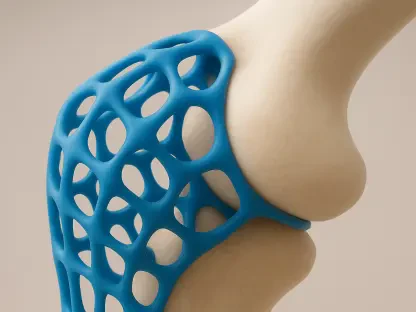

Non-resorbable membranes used in dental surgeries provide excellent mechanical stability but necessitate a second invasive operation for removal, which increases patient discomfort and recovery time. This clinical trade-off has long complicated the success of Guided Bone Regeneration, a cornerstone

By utilizing a library of seven strong constitutive promoters, bioengineers identified the optimal genomic configuration to force the biosynthetic pathway to work harder. This breakthrough in metabolic engineering addresses one of the most persistent bottlenecks in the treatment of rare cancers,

A strategic framework for Western-led stability in the biological sciences is now a matter of national security rather than just a scientific pursuit. The global economy is currently undergoing a fundamental transformation as it moves away from traditional 20th-century heavy industries toward a

A critical bottleneck in large-scale tissue grafting is the lack of internal blood supply, which often leads to cell death at the center of the engineered construct. To address this, recent advancements in osteoimmunology have pivoted toward materials that do not merely coexist with the body but

Former Homeland Security officials warn that the death of a Russian scientist underscores the difficulty of distinguishing between defensive pathogen research and offensive weaponization. The recent fatality at the Irkutsk Anti-Plague Research Institute in Siberia has reignited fears regarding the
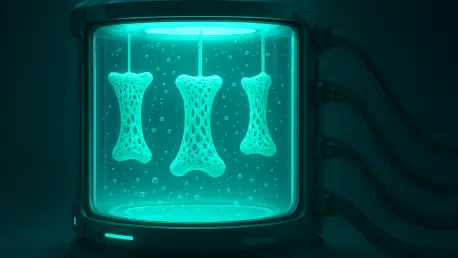
The high cost of exogenous growth factors like BMP-2 remains a major financial barrier to the commercial production of living, engineered bone substitutes. For decades, the reliance on these expensive proteins has restricted high-end tissue engineering to academic research, but the landscape is
1 2 3 4 5 6 7 8 9 10 11 12 13 14 15 16 17 18 19 20 21 22 23 24 25 26 27 28 29 30 31 32 33 34 35 36 37 38 39 40 41 42 43 44 45 46 47