By inducing the lysis of malignant cells, oncolytic viruses release a broad spectrum of neoantigens that can prime a patient’s native immune system through a process called epitope spreading. This mechanism represents a significant shift from the current clinical standard of single-target Chimeric
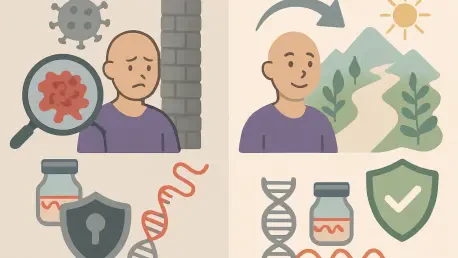
The current pharmaceutical landscape is witnessing a profound transformation as the successful clinical implementation of personalized mRNA cancer vaccines begins to redefine the standard of care in oncology. This seismic shift is driven by a long-held vision: the ability to train a patient’s own

Synthetic DNA companies frequently ship genetic sequences without a federal requirement to screen orders for dangerous pathogens, leaving a critical pipeline open for exploitation. This alarming reality is a central focus of the recent findings released by Anthropic, which have sent ripples through
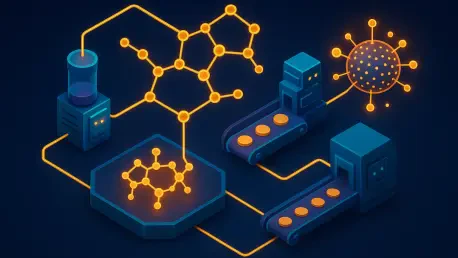
The inherent inefficiencies of the autologous model are tied to a one-batch-per-patient approach that restricts throughput and maintains high market prices for oncology treatments. While Chimeric Antigen Receptor (CAR) T-cell therapies have redefined oncology by providing life-saving results for

Bypassing traditional bureaucratic bodies like the World Health Organization may allow for more agile and direct coordination between the U.S. and China on biosecurity. As we navigate the complex landscape of 2026, the intersection of advanced large language models and synthetic biology has

Existing natural microbial solutions have historically struggled to bridge the performance gap between environmental stewardship and the high yields required for commercial viability. This tension has forced the global agricultural industry into a state of chemical dependency, where approximately