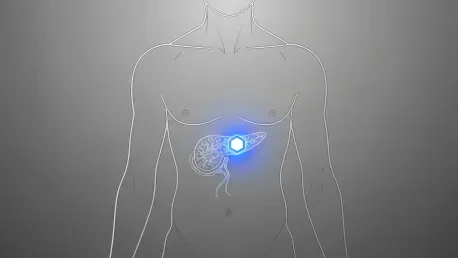
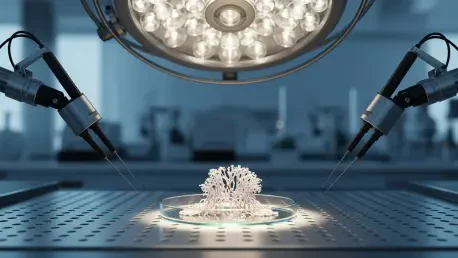
The global medical landscape continues to face a critical shortage of donor organs, leaving millions of patients dependent on invasive treatments like dialysis while they wait for life-saving transplants that may never arrive. For a long time, the promise of growing functional human organs in a
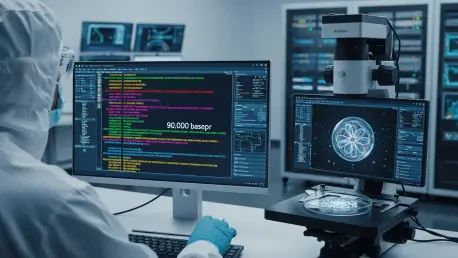
The realization of a functional cellular system assembled entirely from nonliving chemical constituents marks a definitive boundary crossing for modern science, signaling that life is no longer an inherited mystery but a programmable technology. This breakthrough centers on a project known as
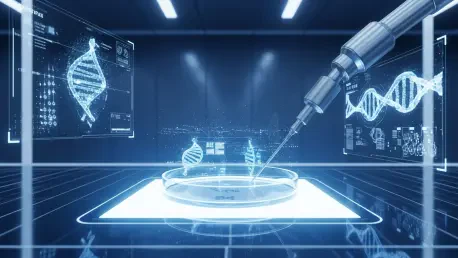
The realization of a completely artificial life form marks a definitive turning point in human history, transitioning biological science from a discipline of observation to one of pure engineering and design. This milestone was achieved through the intricate assembly of a digital genome that was
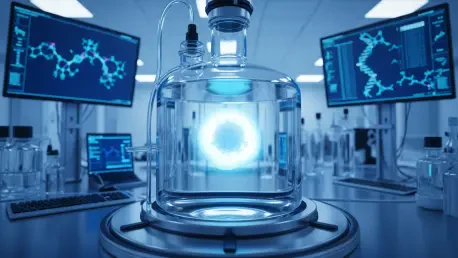
The transition from inert chemical compounds to a self-sustaining biological entity represents one of the most profound frontiers in modern science, and researchers at the University of Minnesota have recently bridged this gap by constructing a synthetic structure that mirrors the fundamental
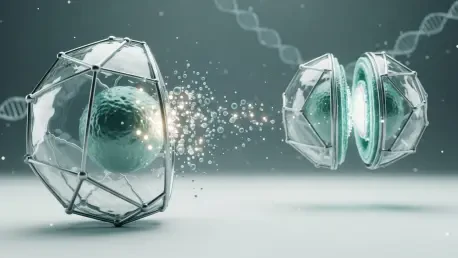
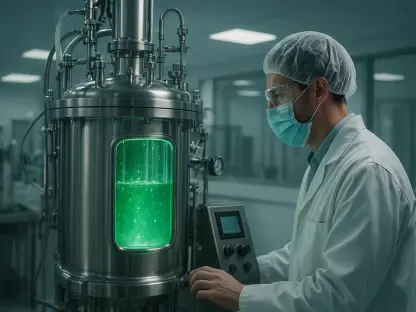
The boundary between inert chemical compounds and self-sustaining biological entities has blurred significantly following a breakthrough in the development of a fully synthetic cell capable of autonomous metabolism and division. For decades, the ambition to construct life from the ground up
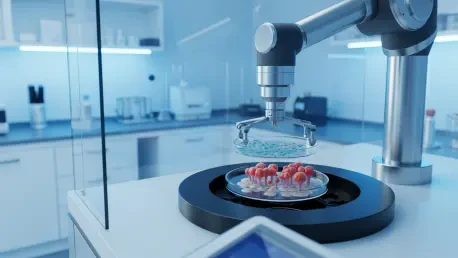
The vast chemical diversity found within the fungal kingdom has historically served as a foundational pillar for modern medicine, providing essential compounds ranging from life-saving antibiotics like penicillin to cholesterol-lowering statins. However, a significant portion of this genetic