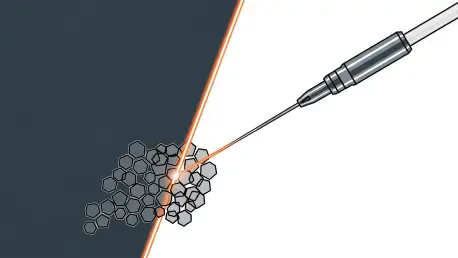
The landscape of modern oncology is undergoing a dramatic transformation as clinicians and researchers move away from the systemic toxicity of traditional chemotherapy toward highly localized, minimally invasive interventions. Photothermal therapy represents one of the most promising frontiers in

The sheer velocity of genetic engineering has shifted from basic DNA modification to a comprehensive biological operating system capable of rewriting the code of life with unprecedented accuracy and scale. This transition marks a departure from experimental science toward a period of industrial

Ovarian cancer remains one of the most formidable challenges in modern oncology due to its tendency to be diagnosed at advanced stages when traditional treatments often prove insufficient for long-term survival. For decades, the standard of care has relied heavily on aggressive surgery and

The medical landscape of South Texas is undergoing a profound transformation as specialized clinicians at Methodist Healthcare pioneer the transition of chimeric antigen receptor T-cell therapy from a niche oncological intervention to a versatile therapeutic platform for complex diseases.

The persistent gap between the rapid generation of computational molecular designs and the slow physical validation of those molecules has become the primary bottleneck in contemporary therapeutic development. While artificial intelligence has succeeded in expanding the horizon of potential drug
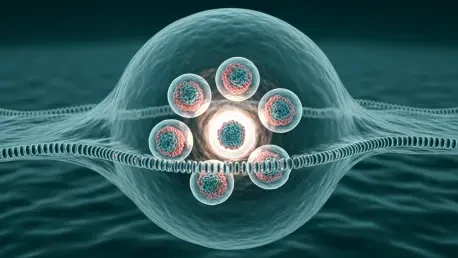
The frontier of synthetic biology has moved beyond the mere editing of existing organisms toward the radical construction of entirely new life forms from inanimate chemical components. For decades, the primary strategy involved stripping genetic material from bacteria until only the essentials