
The RAND Corporation warns that current AI capabilities in applied biological sciences could soon enable the creation of catastrophic health threats. Rapid advancements in Large Language Models (LLMs) and Biological Design Tools (BDTs) have fundamentally altered the landscape of biosecurity. These sophisticated systems can process vast amounts of genomic data, suggesting novel ways to enhance the virulence or transmissibility of known pathogens. While these tools were originally designed to accelerate drug discovery and vaccine development, the dual-use nature of the technology means they can be repurposed for malicious ends with relative ease. By bridging the gap between theoretical knowledge and practical execution, AI provides a bridge for individuals who lack extensive laboratory training to navigate complex biological protocols. This shift necessitates a complete re-evaluation of how sensitive biological information is protected and monitored within the global scientific community to prevent misuse of powerful computational resources.
The New Frontier: Pathogen Engineering and Synthesis
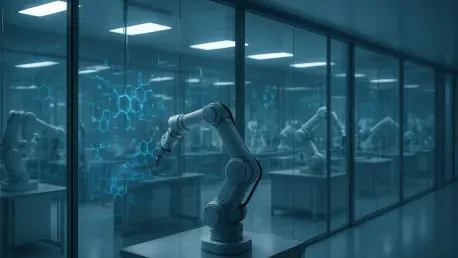
The integration of specialized AI models into laboratory workflows has revolutionized genetic engineering by automating the design of synthetic organisms. Specifically, protein-folding models and sequence generators allow researchers to predict the behavior of modified viruses with unprecedented accuracy. However, this same predictive power enables the identification of escape mutations that could allow a pathogen to bypass existing vaccines or diagnostic tests. When combined with automated cloud labs, these AI systems could theoretically manage the entire lifecycle of a biological threat, from initial design to synthesis and testing, with minimal human oversight. The automation of these processes removes many of the traditional bottlenecks that previously restricted high-level biotechnology to well-funded state programs. Consequently, the digital blueprints for dangerous pathogens could be generated in seconds, creating a scenario where the speed of threat generation significantly outpaces the development of medical countermeasures.
Beyond the technical aspects of genetic synthesis, AI tools significantly lower the barrier to entry for non-state actors looking to cause large-scale disruption. Traditional bioweapon development required a silent curriculum of hands-on expertise and tacit knowledge often found only in elite research institutions. Modern AI agents can now synthesize this hidden knowledge, offering step-by-step guidance on sourcing precursors, optimizing growth media, and troubleshooting cultivation problems. This democratization of expertise means that the logistical hurdles of a biological attack are no longer the formidable barrier they once were. Furthermore, the ability of AI to obfuscate its intent when querying biological databases makes it difficult for traditional surveillance to detect suspicious patterns of research. As these models become more autonomous, the risk of a jailbroken system providing detailed instructions for mass-casualty events becomes a pressing concern for intelligence agencies worldwide.
Securing the Future: Policy and Regulatory Frameworks
Addressing these risks requires a sophisticated understanding of the regulatory gaps that exist in current DNA synthesis screening protocols. Most commercial synthesis providers rely on a database of sequences of concern, but AI-generated sequences can be designed to look benign until they are actually assembled. This cloaking technique bypasses current automated flags, allowing a malicious actor to order fragments of a lethal pathogen from multiple providers without raising suspicion. To counter this, regulatory frameworks must evolve from simple pattern matching to a more functional approach that evaluates the biological potential of a sequence regardless of its resemblance to known pathogens. This transition necessitates the development of AI-driven screening tools that can predict the functional outcome of any given genetic sequence in real time. Moreover, the global nature of the biotechnology market means that unilateral domestic regulations are insufficient to protect against these threats.
Stakeholders took several critical steps to fortify the intersection of artificial intelligence and biotechnology. Governments implemented mandatory licensing for high-risk biological datasets and required AI developers to prove their models were resilient against adversarial prompts related to biosecurity. Universities updated their ethics curricula to include the digital risks of dual-use research, ensuring that the next generation of scientists understood the security implications of their computational tools. Private companies established a shared clearinghouse for reporting attempted jailbreaks and shared intelligence on emerging threats across the industry. Collaborative efforts between the public and private sectors resulted in the creation of a global monitoring network that tracked synthetic DNA orders with enhanced scrutiny. These actions moved the industry toward a more secure future where innovation no longer came at the cost of public safety. By prioritizing proactive governance, the global community established a precedent for the responsible stewardship of transformative technologies.