The transition from inert chemical compounds to a self-sustaining biological entity represents one of the most profound frontiers in modern science, and researchers at the University of Minnesota have recently bridged this gap by constructing a synthetic structure that mirrors the fundamental
The boundary between inert chemical compounds and self-sustaining biological entities has blurred significantly following a breakthrough in the development of a fully synthetic cell capable of autonomous metabolism and division. For decades, the ambition to construct life from the ground up
The vast chemical diversity found within the fungal kingdom has historically served as a foundational pillar for modern medicine, providing essential compounds ranging from life-saving antibiotics like penicillin to cholesterol-lowering statins. However, a significant portion of this genetic
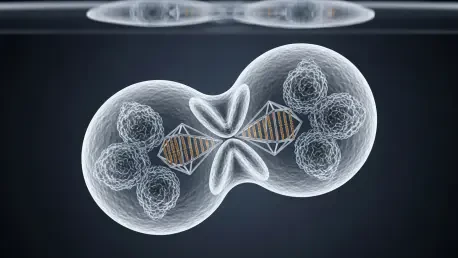
The boundaries between organic existence and laboratory-engineered chemistry have blurred significantly following a landmark achievement where researchers successfully assembled a functional cell from a collection of entirely non-living molecules. Led by Kate Adamala at the University of Minnesota,
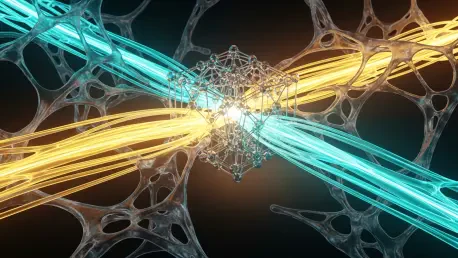
The prospect of humans regaining the ability to regenerate lost limbs has long been relegated to the realm of high-concept science fiction, but current research suggests that this biological superpower is merely dormant within the human genome. Recent breakthroughs at the Texas A&M University
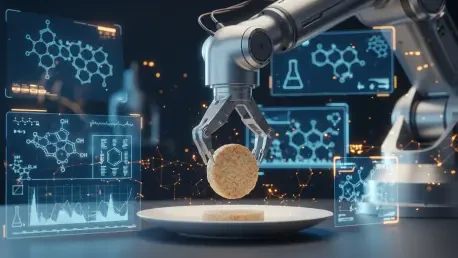
When a machine begins to deconstruct the chemical architecture of a hamburger, it does not see a meal but rather a high-dimensional optimization problem waiting to be solved. This shift represents a significant advancement in the food technology and culinary engineering sectors, where the