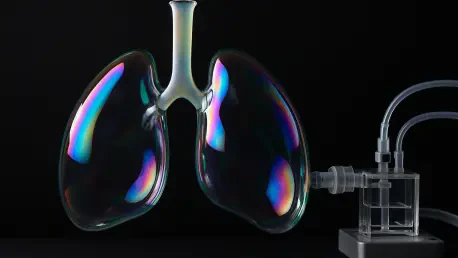
Laboratories specializing in virology and immunology must now evaluate if their current biosafety margins are sufficient to protect staff from aerosolized H5N1 exposure. The recent isolation of live, infectious H5N1 avian influenza from a commercial batch of fetal bovine serum (FBS) has sparked a

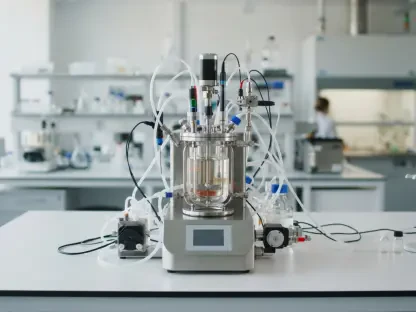
Utilizing brewery-style fermentation tanks to cultivate cocoa cells allows manufacturers to maintain 100 percent supply-chain stability regardless of unpredictable weather patterns. This innovative methodology, pioneered by Boston-based biotechnology leader GALY, arrives at a critical juncture for

A molecule may show exceptional potency against a biological target in a test tube yet fail completely if it cannot cross the lipid-rich cell membrane. This fundamental reality of pharmacokinetics has established the Madin-Darby Canine Kidney assay as a cornerstone of early-stage pharmaceutical

The shift toward human-first data collection aims to prevent the loss of hundreds of millions of dollars caused by unforeseen safety issues in clinical trials. For decades, the pharmaceutical industry relied almost exclusively on animal models, yet nearly ninety percent of drugs that pass animal
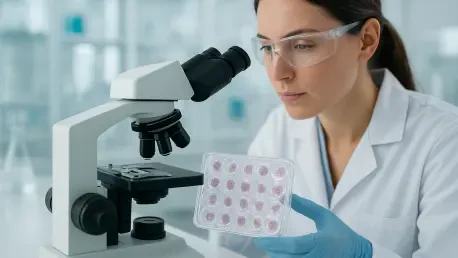
Improving the safety and efficacy of new medical treatments requires a shift toward research tools that are grounded in human biology and actual patient cell responses. The traditional paradigm of pharmaceutical development has long relied on animal models, which frequently fail to predict human
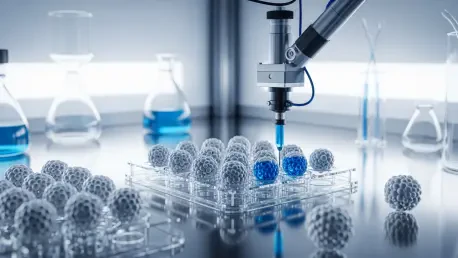
The quest to match the right cancer therapy with the right patient has long been hindered by the unpredictable nature of how individual tumors behave within the human body. Researchers at the University of California, San Francisco have recently introduced a transformative approach to oncology by