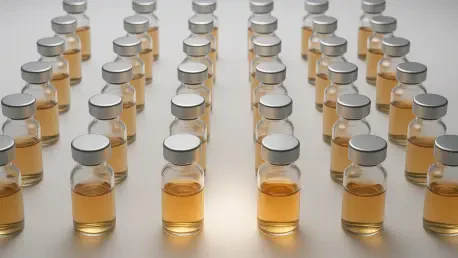

Laboratories specializing in virology and immunology must now evaluate if their current biosafety margins are sufficient to protect staff from aerosolized H5N1 exposure. The recent isolation of live, infectious H5N1 avian influenza from a commercial batch of fetal bovine serum (FBS) has sparked a significant shift in laboratory biosafety discussions, transforming what was once a theoretical concern into an immediate practical challenge. Researchers at Cornell University’s Virology Laboratory documented the presence of this highly pathogenic virus in a reagent that serves as a fundamental cornerstone for biological research and pharmaceutical manufacturing across the globe. While fetal bovine serum is a standard growth supplement used in academic, clinical, and diagnostic sectors, this finding highlights a newly identified vulnerability in the international supply chain of biological materials. Such a discovery requires immediate attention from institutional biosafety committees and biomanufacturing facilities that rely on bovine-derived products for sensitive cell culture work.
Clarifying the Scope and Origin of the Contamination
It is vital to distinguish that the detection of H5N1 clade 2.3.4.4b, genotype B3.13, in the serum supply is strictly an industrial quality-control and occupational safety issue rather than a public health crisis affecting the broader population. The contamination does not impact consumer goods such as retail meat, pasteurized dairy, or medical treatments intended for general use. Instead, the risk is concentrated specifically on professionals who handle these materials in raw or semi-processed states, including laboratory technicians and staff responsible for biopharmaceutical production. This specific lineage of the virus mirrors the strain that has been circulating within U.S. dairy herds since early 2024, confirming that the avian influenza virus has successfully integrated into the bovine population. This realization shifts the narrative from wildlife management to a matter of protecting workers in specialized environments where biological materials are frequently aerosolized during routine handling.
The identification of the virus resulted from routine screening for extraneous agents at the Cornell Animal Health Diagnostic Center, a process mandated by federal requirements for animal-origin products used in biological research. The contaminated lot was a pooled product containing samples collected from five different states, including California and Pennsylvania, which underscores the widespread geographical footprint of the current outbreak. This footprint emphasizes the scale of the H5N1 presence among dairy cattle, which had affected over a thousand herds across nineteen states by late 2025. The proactive nature of this surveillance ensured the pathogen was identified before it could cause widespread experimental disruption or documented laboratory-acquired infections. Because fetal bovine serum is widely traded on the global market, the discovery prompted a localized re-evaluation of how these products are certified for safety prior to being distributed to academic and private laboratories.
Biological Pathways: From Bovine Infection to Fetal Serum
The presence of a respiratory and mammary virus in fetal serum suggests a biological mechanism known as sporadic viremia, which has significant implications for how we understand bovine health. In this process, the virus enters the bloodstream of an infected lactating cow, allowing it to migrate beyond the respiratory system to the reproductive tract and eventually the developing fetus. Because fetal bovine serum is produced by pooling blood from many different donors, a single infected animal can contaminate a massive volume of the final commercial product. While individual testing of hundreds of samples revealed only a low viral load in a single donor, the “economy of scale” used in manufacturing means that even rare occurrences are distributed across large commercial batches. This systemic vulnerability means that a single point of failure in an upstream agricultural facility can ripple through the entire downstream research ecosystem, affecting thousands of sensitive experiments.
The potential for contamination poses three primary risks to the scientific community, involving laboratory-acquired infections, experimental invalidation, and catastrophic biomanufacturing failures. Although no human infections have been linked to contaminated serum thus far, the handling of large volumes of biological material could expose workers through accidental contact or inhalation of aerosols. Furthermore, the presence of an unintended virus can ruin sensitive experiments in virology and immunology, leading to false data or the misinterpretation of results. In a biomanufacturing context, a contaminated batch of serum could lead to the total loss of entire production runs of vaccines or therapeutic proteins, resulting in significant financial losses and delays in medical treatment. These risks necessitate a higher degree of transparency between serum suppliers and the laboratories that rely on their products to maintain the rigorous standards required for modern biomedical advancements.
Heat Inactivation: Balancing Safety and Biological Integrity
Fortunately, standard laboratory protocols offer a robust and relatively simple solution for neutralizing the virus before it reaches sensitive environments. Experiments conducted by the Cornell team confirmed that heat-treating the serum at 56 degrees Celsius for a duration of 30 minutes completely inactivates the H5N1 virus. While many laboratories already purchase heat-inactivated serum as a matter of standard procedure, the practice is not universal across all scientific disciplines. Some researchers avoid the process because high temperatures can degrade sensitive growth factors and proteins necessary for specific cell lines, potentially altering the outcome of their studies. This discovery forces a new risk-benefit analysis, requiring scientists to weigh the biological integrity of their cultures against the safety margins provided by heat treatment. As a result, many labs are now revisiting their standard operating procedures to determine if their current methods are adequate.
Institutional Biosafety Committees are now encouraged to take the lead in addressing these emerging risks by developing comprehensive guidelines for the use of bovine-derived materials. Individual researchers may lack the resources to screen every bottle of reagent for viral contamination, but institutions can implement broader safety policies that mitigate these hazards collectively. Recommended actions include performing rigorous supplier audits to confirm screening methodologies and re-evaluating the necessity of using non-inactivated serum in various research settings. If heat inactivation does not compromise the specific research goals or the viability of the cell lines, it should be adopted as a standard safety precaution to protect both the staff and the integrity of the scientific work. Furthermore, committees are looking into mandating enhanced personal protective equipment for staff working with large volumes of raw serum, ensuring that the risk of aerosolization is minimized at the bench.
Establishing New Standards for Laboratory Oversight
While these findings are significant for biosafety, it is important to maintain an objective view of the current situation and the actual prevalence of the virus. The study documented a single contaminated lot and was not intended to measure the overall presence of the virus in the global serum supply, which remains largely free of such agents. Additionally, attempts to replicate the virus isolation at federal laboratories were unsuccessful in some instances, suggesting that the viral loads in pooled lots are often extremely low. This low concentration reduces the statistical likelihood of infection but does not remove the necessity for caution, as even trace amounts of a highly pathogenic virus require stringent oversight. The primary lesson learned is that the biological industry must remain agile, adapting its testing protocols as new pathogens emerge in the agricultural sector. Ensuring that surveillance remains ahead of the curve is the best way to prevent future disruptions in research.
The isolation of live H5N1 from fetal bovine serum served as a vital reminder that animal disease outbreaks had far-reaching consequences for the scientific infrastructure. The threat remained manageable through established inactivation methods, but the changing landscape of bovine health necessitated a permanent shift in laboratory culture and oversight. Moving forward, research institutions took decisive action by integrating more robust screening requirements into their procurement processes and prioritizing the use of synthetic or heat-inactivated alternatives where possible. Enhanced collaboration between agricultural monitors and laboratory safety officers became the standard, ensuring that emerging viral threats were identified before entering the reagent supply chain. These proactive measures protected the safety of laboratory personnel and preserved the reliability of clinical data. To sustain this progress, scientists continued to advocate for increased transparency from commercial suppliers regarding the origin and processing of all animal-derived growth media.