
Improving the safety and efficacy of new medical treatments requires a shift toward research tools that are grounded in human biology and actual patient cell responses. The traditional paradigm of pharmaceutical development has long relied on animal models, which frequently fail to predict human toxicity or therapeutic success due to fundamental physiological differences between species. In response to this long-standing challenge, the United Kingdom has established a pioneering national hub dedicated to the development and standardization of human organoids—three-dimensional tissue cultures that replicate the complex architecture and functions of human organs. This initiative marks a significant turning point in biotechnology, moving beyond the ethical dilemmas of animal testing while simultaneously increasing the precision of preclinical trials. By integrating these advanced micro-physiological systems into the drug discovery pipeline, researchers are now capable of observing how experimental compounds interact with living human tissues.
Integrating Advanced Biology Into Preclinical Development
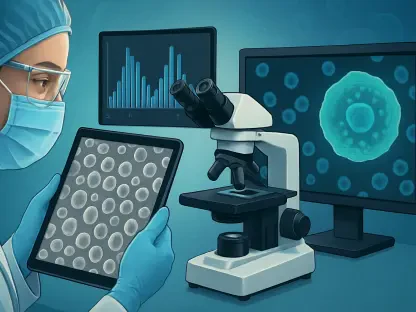
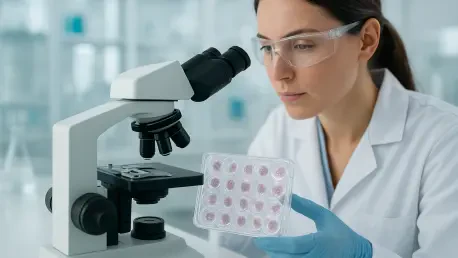
The technical foundation of this UK-led initiative rests on the sophisticated use of induced pluripotent stem cells, which are reprogrammed to differentiate into specific cell types such as hepatocytes, cardiomyocytes, or neurons. Unlike traditional two-dimensional cell cultures, these organoids organize themselves into structures that exhibit specialized functions, such as blood-clotting responses in liver models or rhythmic contractions in heart tissue. This level of biological fidelity allows for high-throughput screening of chemical candidates with a degree of accuracy previously unattainable in the laboratory. Furthermore, the ability to derive these cells from diverse patient populations means that scientists can now study how genetic variations influence drug metabolism and efficacy across different demographics. This personalized approach to pharmacology ensures that potential side effects are identified much earlier in the development cycle, reducing the risk of clinical trial failures and accelerating the delivery of life-saving medications.
Transitioning away from animal-based methodologies is not merely an ethical imperative but a scientific necessity driven by the high attrition rates in modern drug development. Historically, approximately ninety percent of drugs that passed animal testing failed in human clinical trials because the animal data did not translate effectively to human physiology. The organoid hub addresses this gap by providing standardized protocols and validated tissue models that regulatory bodies can trust as viable alternatives. For instance, lung organoids have proven instrumental in modeling respiratory infections and testing the efficacy of inhaled therapies without the need for large-scale rodent studies. This shift is also economically advantageous, as organoid platforms can be scaled for automation, allowing pharmaceutical companies to streamline their operations and lower the exorbitant costs associated with bringing new treatments to market. As these technologies mature, they create a robust framework for a more humane and scientifically rigorous era of biomedical research.
Reflecting on the advancements achieved through this centralized approach, stakeholders demonstrated that investing in human-centric technology was the most effective pathway for modernizing pharmaceutical safety. To maintain this momentum, laboratories were encouraged to adopt standardized organoid manufacturing processes to ensure reproducibility across different testing sites. Decision-makers within the healthcare sector prioritized the creation of international data repositories, which allowed for the cross-referencing of organoid responses with historical clinical outcomes. This retrospective analysis proved vital for validating the predictive power of micro-physiological systems. Moving forward, the industry identified the integration of multi-organ-on-a-chip technologies as the next vital frontier for simulating systemic interactions. These integrated systems became essential for identifying complex toxicities before any human exposure occurred. By fostering a culture of technical refinement and regulatory agility, the scientific community secured a more reliable and ethical future for global medicine.