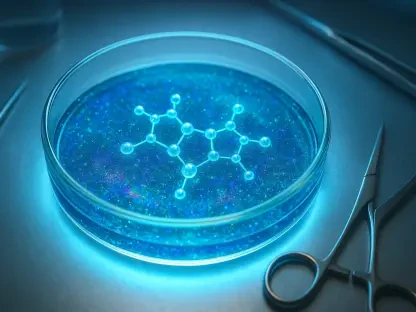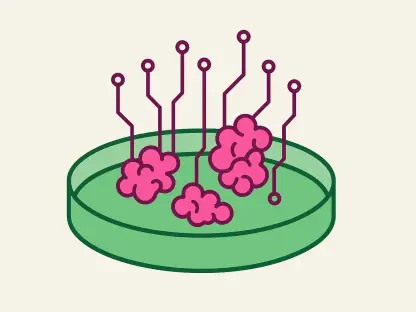

The quest to match the right cancer therapy with the right patient has long been hindered by the unpredictable nature of how individual tumors behave within the human body. Researchers at the University of California, San Francisco have recently introduced a transformative approach to oncology by integrating patient-derived organoids with molecular data from the I-SPY2 clinical trial. These three-dimensional miniature tumors are grown directly from a patient’s own cells to serve as a functional testing ground for drug efficacy outside the body. By moving beyond simple genomic sequencing, this method aims to observe directly how malignant cells react to specific treatments, effectively bridging the gap between theoretical data and clinical reality. This advancement suggests that the era of trial and error in chemotherapy might finally be coming to an end. Instead of relying solely on statistical averages, doctors can now observe cellular responses to drugs before treating the patient.
Navigating the Complexity of Breast Cancer Treatment
Targeted Models: Overcoming Patient Heterogeneity
Traditional biomarkers like HER2 and hormone receptor status provide a foundational understanding of breast cancer, yet they often fail to account for the high level of diversity between individual tumors. This heterogeneity explains why two patients with seemingly identical cancers can have vastly different responses to the same therapeutic regimen. By using living organoids as a proxy for the patient, clinicians can perform a more precise functional assessment that complements existing genomic and clinical information. These models act as a living laboratory, capturing the dynamic changes that occur within a tumor when it is exposed to external stressors. This level of detail was previously unattainable with static imaging or genetic markers alone, which only provide a snapshot in time rather than a moving picture of cellular behavior. Consequently, the ability to replicate this complexity in a dish allows for a more nuanced understanding of how resistance might develop.
Living Laboratories: Functional Versus Genomic Data
The integration of these functional models into the clinical workflow represents a paradigm shift in how oncologists approach high-risk cases. While genomic profiling identifies the potential mutations driving a cancer, it does not always predict how a drug will navigate the physical and chemical barriers of the tumor itself. Functional testing via organoids fills this critical void by measuring the actual death rate of cancer cells when they encounter specific pharmaceutical agents. This approach naturally leads to a more personalized strategy where the treatment plan is tailored to the biological reality of the individual rather than a broad diagnostic category. Furthermore, these organoids can be preserved and revisited if the cancer recurs, providing a continuous source of data for subsequent lines of therapy. This ongoing relationship between the laboratory model and the patient’s clinical journey ensures that the medical team remains one step ahead of the disease’s evolution.
The Mechanics and Application of Organoid Technology
Structural Integrity: Designing Realistic Growth Environments
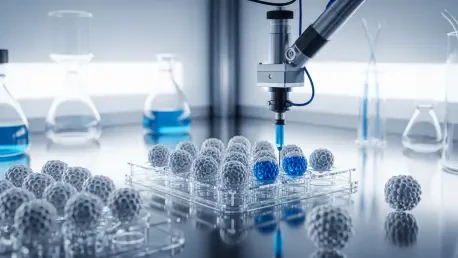
To create these sophisticated models, biopsy cells are embedded in a specialized gel that mimics the human breast’s natural environment, allowing them to form complex structures that retain the original tumor’s architecture. Unlike flat, two-dimensional cell cultures that often lose their native properties, these 3D organoids preserve the molecular signaling and drug processing behaviors of the parent tumor. This structural integrity is essential for high-throughput screening, where scientists can test hundreds of drug combinations simultaneously to identify the most effective options for a specific patient. The process involves meticulous culturing techniques that ensure the organoids remain viable for long periods, allowing for extended observations of drug effects. This stability is vital because many modern therapies require time to exert their full impact on cellular populations. By maintaining the spatial orientation of the cells, the models reflect how a drug penetrates the tumor mass.
Predictive Frameworks: Data Integration and Biobanking
The research draws significant strength from its collaboration with the I-SPY2 trial, which categorizes tumors into molecular subtypes to predict treatment success. By building a biobank of organoids from trial participants, the UCSF team developed a computational framework that compares lab results with real-world patient outcomes. This digital-to-biological feedback loop allows researchers to forecast how specific subtypes will respond to various agents, including immunotherapies and platinum-based chemotherapies. The synergy between massive clinical datasets and individual biological models creates a powerful predictive engine that can be refined with every new patient entry. As more data points are added to the system, the accuracy of these predictions continues to improve, creating a self-reinforcing cycle of medical insight. This framework does not just provide a simple answer regarding drug efficacy; it offers a detailed map of the probable therapeutic landscape.
Tackling Resistance in High-Risk Cancer Subtypes
Triple-Negative Challenges: Identifying Effective Pathways
Triple-negative breast cancer remains one of the most challenging subtypes because it lacks the common receptors targeted by standard hormone therapies. While intensive chemotherapy is the norm, this specific form of cancer frequently develops resistance to platinum-based drugs, leading to poor outcomes for many patients. The UCSF model demonstrated its predictive power by identifying specific organoids that would resist a combination of platinum and the PARP inhibitor Veliparib, successfully flagging ineffective treatments before they reached the patient. This ability to identify non-responders early is crucial, as it spares patients from the toxic side effects of drugs that offer no clinical benefit. Instead of following a failing path, clinicians can pivot to alternative strategies much sooner than was previously possible. The identification of these resistance patterns in a lab setting provides a safety net for those with the most aggressive cancers.
Actionable Insights: Refining Treatment Strategies
The success of the UCSF study established a foundational framework for incorporating functional biology into standard oncological practices. By demonstrating that patient-derived organoids could accurately reflect clinical outcomes, the research team provided a roadmap for reducing the burden of ineffective treatments. Actionable next steps for the medical community included the expansion of organoid biobanks and the integration of high-throughput screening into the early phases of clinical trial design. Stakeholders recognized the importance of standardizing these models to ensure they could be scaled across different medical institutions. The findings suggested that the future of cancer care rested on the ability to merge digital data with living biological evidence. Ultimately, the work proved that observing a tumor’s behavior in a controlled environment offered a superior vantage point. This shift in perspective empowered physicians to move toward a reality of truly personalized medicine.