
The traditional boundaries between the plant and animal kingdoms have been significantly blurred by a pioneering breakthrough at the University of Tokyo, where researchers successfully engineered mammalian cells to host large-scale algal DNA. This scientific achievement provides the first robust experimental evidence that horizontal gene transfer, a process typically associated with simple bacteria, can occur between complex eukaryotic organisms from entirely different evolutionary lineages. By creating what some are calling “planimal” cells, the research team demonstrated that animal genomes possess an inherent flexibility to accommodate foreign genetic structures previously thought to be incompatible. This integration represents a massive leap beyond standard genetic modification, as it involves the transfer of entire chromosomes rather than isolated single genes. The implications of this study reach far into the realms of evolutionary biology and synthetic medicine, suggesting that the divide between photosynthetic organisms and heterotrophic animals might be a flexible threshold.
Bridging the Evolutionary Divide
To achieve this unprecedented genomic merger, scientists utilized the red alga known as Cyanidioschyzon merolae alongside Chinese hamster ovary cells, which are a standard model in biotechnology for protein production. The experimental design drew inspiration from the ancient endosymbiotic events that originally led to the development of chloroplasts and mitochondria within complex life forms millions of years ago. Two distinct strategies were tested to determine the most effective method for introducing foreign material: direct cell fusion and phagocytic uptake, where the host cell essentially consumes the donor material. The results indicated that cell fusion provided a far more stable pathway for large-scale genetic integration, allowing the mammalian host to incorporate substantial segments of the algal genome into its own nucleus. This methodology ensures that the foreign DNA is not merely a temporary visitor but is actually integrated into the biological framework of the host cell for long-term study.
One of the most startling aspects of the research was the sheer volume and stability of the algal genetic material that remained within the mammalian host over extended periods. The researchers identified a specific hybrid cell line that successfully retained approximately 16.3 million base pairs of algal DNA, which represents nearly the entire 16.5-megabase genome of the original red alga. Remarkably, this massive influx of foreign genetic information did not cause the host cell to fail or stop dividing; instead, the hybrid cells passed the algal chromosomes down through 95 generations without the need for antibiotic selection pressure. Even more impressively, the presence of the algal DNA remained clearly detectable for up to 155 generations, proving that mammalian cells can maintain massive amounts of foreign DNA as a permanent feature of their genomic architecture. This stability challenges the long-held belief that animal cells would naturally succumb to such a large amount of evolutionarily distant material.
Genomic Silencing and Stability
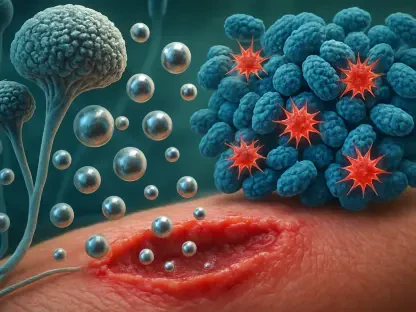
The ability of the host cells to tolerate the presence of an entire foreign genome was largely attributed to sophisticated epigenetic mechanisms that naturally occur within mammalian biology. Upon entering the Chinese hamster ovary cells, the algal DNA underwent a process of DNA methylation and repressive histone modifications, which effectively silenced the vast majority of the plant-based genes. This molecular cloaking allowed the foreign DNA to exist within the host nucleus without interfering with the essential metabolic processes or the structural integrity of the animal cell. By keeping these foreign genes in a dormant state, the host avoided the potential toxicity or cellular stress that often accompanies the expression of incompatible proteins. This natural defense mechanism suggests that the mammalian genome has built-in protocols for handling genomic invaders, provided they can be successfully sequestered through chemical modifications to the DNA strands within the nucleus.
To further validate the role of these protective mechanisms, the research team conducted experiments using modified host cells that were deficient in specific methyltransferases responsible for gene silencing. When the algal DNA was introduced into these specialized cells, the retention rate of the foreign material plummeted significantly, confirming that active silencing is an absolute requirement for the long-term survival of the hybrid cells. Without the ability to chemically deactivate the algal genome, the host cells were likely overwhelmed by the expression of foreign traits or experienced severe genomic instability that led to the loss of the foreign chromosomes. This discovery highlights the intricate balance required to engineer hybrid organisms and provides a clear roadmap for future researchers seeking to stabilize foreign genomes in different host species. Understanding these epigenetic barriers is crucial for anyone working in the field of synthetic biology to create stable chimeras.
Looking ahead, the focus shifted toward the potential for selectively activating these hitchhiking genes to create animals with photosynthetic capabilities. Researchers envisioned a future where engineered mammalian cells could generate their own oxygen and organic compounds directly from carbon dioxide and sunlight, fundamentally altering the energy requirements of medical and industrial processes. Actionable steps involved refining the control over epigenetic markers so that specific algal genes could be turned on while keeping others dormant. It was concluded that the integration of plant metabolic pathways into animal tissues could revolutionize tissue engineering and the development of sustainable bioreactors. By establishing that the biological divide between kingdoms was less impenetrable than once assumed, the study recommended that scientists focus on the targeted expression of chloroplast genes. This work paved the way for a new era of genomic design where ancestry no longer defines functional boundaries.