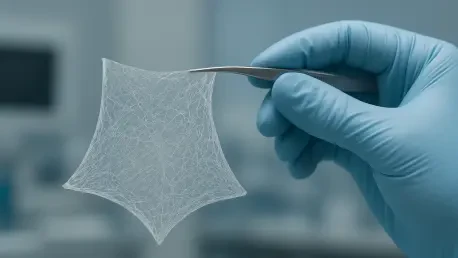
The historical reliance on rigid synthetic substrates for intestinal research has created a significant gap between laboratory observations and the soft, flexible reality of living human tissue. For decades, scientists have struggled to replicate the physiological environment of the gut using

Waning immunity and the subsequent need for frequent booster shots may be addressed by understanding the survival signals provided by the human bone marrow ecosystem. This specialized tissue serves as the primary reservoir for long-lived plasma cells, which are the biological factories responsible

The ability of a compound to cross cell membranes and reach intracellular targets is a critical variable that simple test-tube assays cannot measure. This fundamental reality underscores the massive disconnect currently plaguing the pharmaceutical industry, where high-potency molecules identified

Effective digital twin architecture requires a robust data layer that synchronizes information from SCADA systems and laboratory information management systems. In the current landscape of 2026, the biopharmaceutical industry has moved decisively beyond traditional static modeling toward dynamic,

While 37 degrees Celsius is the global default for biological research, it may actually induce a state of chronic metabolic sluggishness in chicken muscle cells. The emergence of cellular agriculture marks a pivotal shift in how the world approaches food security and sustainable protein, yet the

Modern industrial sectors are witnessing a quiet revolution where microscopic organisms are replacing heavy machinery and toxic solvents in the race for cleaner and more efficient production. Industrial bioprocessing allows for the creation of complex medicines derived from living organisms,