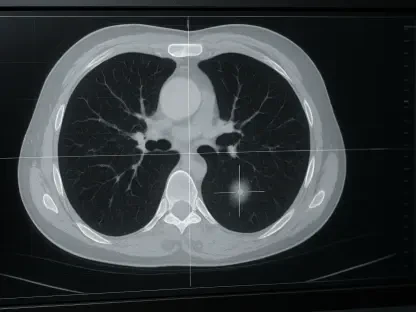
The shift toward precision medicine requires a continuous assessment of risk that updates dynamically as new follow-up scans and blood tests become available. This ongoing demand for agility is driving a fundamental transformation in lung cancer management, moving the field away from isolated
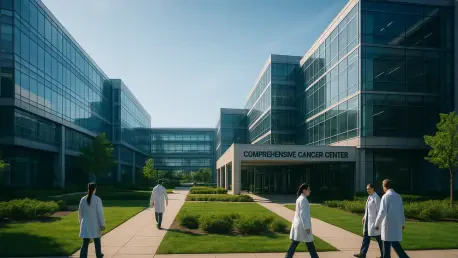
In addition to the recent NCI renewal, the UC Davis Medical Center has maintained its ranking as the top hospital in the Sacramento area for fifteen consecutive years according to national reports. This sustained excellence reached a new milestone today as the National Cancer Institute officially
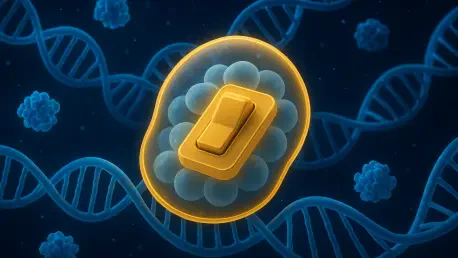
When levels of miR-342 drop, the E2F genetic pathway is unleashed, signaling disseminated cancer cells to begin the rapid multiplication required to form tumors. This mechanism serves as a terrifying catalyst for triple-negative breast cancer, a subtype that has historically defied the precision

A strategic partnership with a pharmaceutical firm allows Outer Biosciences to investigate the biological mechanisms behind skin rashes caused by cancer treatments. This initiative marks a significant departure from traditional dermatological research, signaling a move toward high-precision,
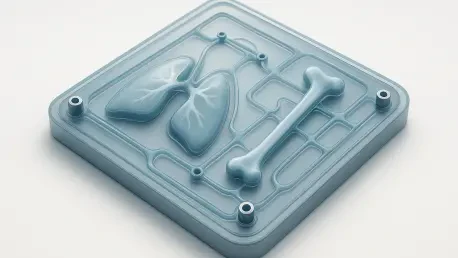
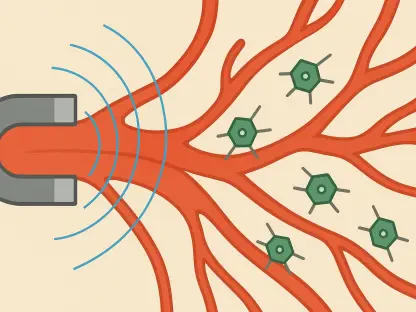
By integrating a selectively permeable endothelial lining, this new technology forces cancer cells to demonstrate their ability to traverse vessel walls. This breakthrough represents a monumental shift in oncology, moving away from the static culture plates and animal models that have dominated
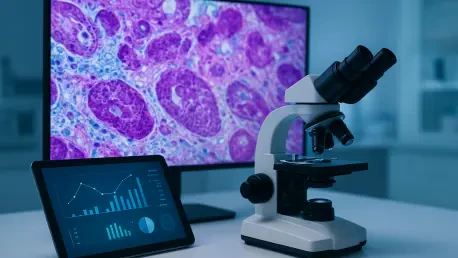
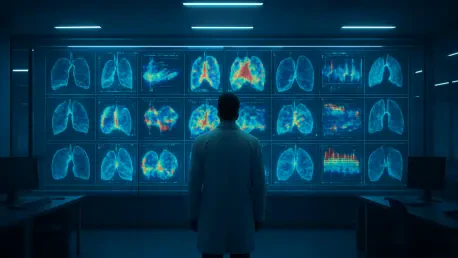
Advanced algorithms are now capable of correlating visual cellular patterns on pathology slides with specific gene-expression profiles linked to aggressive disease. This breakthrough in digital pathology allows clinicians to look beyond the surface level of tissue samples to understand the