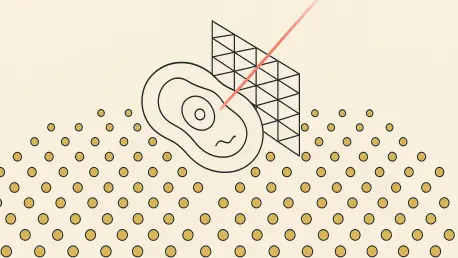

Success in modern oncology is increasingly defined by the quality of a patient's life and the successful management of side effects years after their initial diagnosis. As clinical interventions continue to advance, the pediatric and adolescent survival rate has stabilized at a remarkable 80

The historical paradigm of hematological care is undergoing a fundamental transformation as researchers move beyond traditional cytotoxic treatments toward the strategic use of nutrient-based epigenetic modulators to intercept cancer in its earliest stages. This shift marks a move from reactive,

Mapping the adult human intestine through spatial atlases is essential for bridging the biological gap between mouse models and human clinical applications. The human intestine remains one of the most biologically active environments in the body, defined by a relentless and necessary cycle of

The lifelong requirement for invasive cystoscopy surveillance places an immense physical and financial burden on patients diagnosed with recurrent bladder cancer. This burden has sparked a significant paradigm shift in how urothelial carcinoma is managed, steering the medical community away from
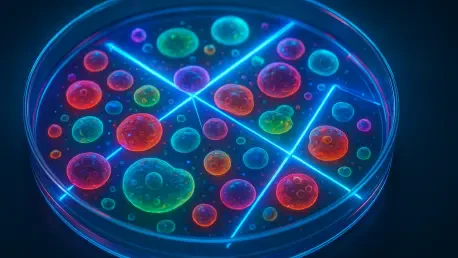
As AI-driven drug development gains momentum, the pharmaceutical industry must reconcile rapid digital innovation with the strict regulatory demands of healthcare safety. The current landscape is defined by a significant ideological divide between Silicon Valley’s exponential growth models and the

Medulloblastoma is often the result of epigenetic malfunctions rather than direct DNA mutations, requiring a specialized focus on how genetic material is controlled. Medulloblastoma remains a formidable adversary in pediatric oncology, accounting for a significant portion of high-grade brain tumors