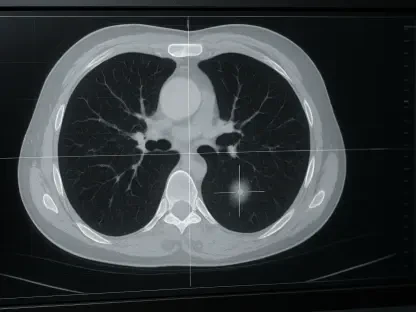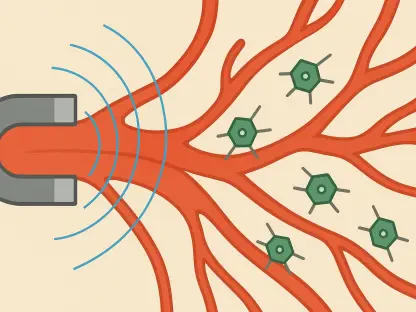

Reducing the logistical and financial hurdles associated with prostate cancer treatment is a primary goal of the latest round of quality improvement funding. This initiative, spearheaded by the National Comprehensive Cancer Network Oncology Research Program in partnership with Pfizer Global Medical

The historical reliance on rigid synthetic substrates for intestinal research has created a significant gap between laboratory observations and the soft, flexible reality of living human tissue. For decades, scientists have struggled to replicate the physiological environment of the gut using
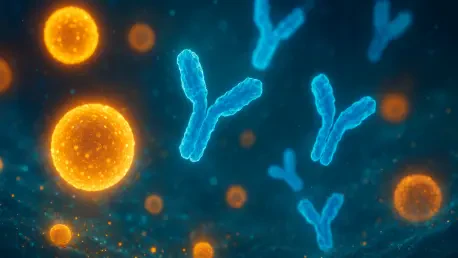
By inducing the lysis of malignant cells, oncolytic viruses release a broad spectrum of neoantigens that can prime a patient’s native immune system through a process called epitope spreading. This mechanism represents a significant shift from the current clinical standard of single-target Chimeric

The current pharmaceutical landscape is witnessing a profound transformation as the successful clinical implementation of personalized mRNA cancer vaccines begins to redefine the standard of care in oncology. This seismic shift is driven by a long-held vision: the ability to train a patient’s own

The oncology sector is shifting its primary focus from simply managing terminal disease to achieving functional cures that allow patients to live long, healthy lives. This transition marks a departure from the historical reliance on broad-spectrum treatments that often came with debilitating side

The approval of Guardant360 CDx as a companion diagnostic for AstraZeneca’s camizestrant marks the first time a liquid biopsy has been authorized for continuous monitoring of cancer evolution. This regulatory milestone fundamentally alters the management of advanced breast cancer by allowing