
Ivan Kairatov is a seasoned biopharma expert whose career has been defined by a front-row seat to the evolution of targeted oncology. With deep roots in research and development and a keen eye for technological innovation, he has helped navigate the complex intersection of clinical necessity and

The clinical research industry is currently weathering a transformative storm where the sheer velocity of data collection frequently outpaces the logistical capacity of the human teams working on the front lines of patient care. While high-level financial metrics suggest an unprecedented era of

The traditional landscape of pharmaceutical development often leaves academic institutions as mere suppliers of raw intellectual property rather than central players in the multi-billion-dollar drug manufacturing process. For years, the University of Alabama at Birmingham has functioned as a

The quest to match the right cancer therapy with the right patient has long been hindered by the unpredictable nature of how individual tumors behave within the human body. Researchers at the University of California, San Francisco have recently introduced a transformative approach to oncology by

The treatment landscape for pancreatic ductal adenocarcinoma has long been characterized by a disheartening series of clinical failures and marginal survival improvements that left patients with few viable options. However, the emergence of daraxonrasib, a specialized oral RAS(ON) multi-selective
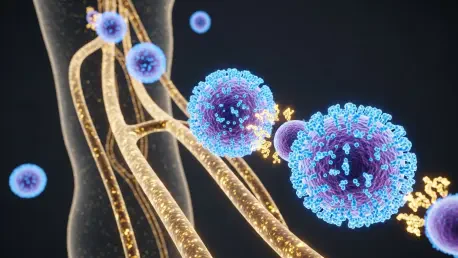
The medical world is standing at the precipice of a pharmaceutical revolution that promises to turn the most sophisticated cancer treatments into accessible, off-the-shelf injections. For years, chimeric antigen receptor T-cell therapy has been a beacon of hope for patients with refractory blood