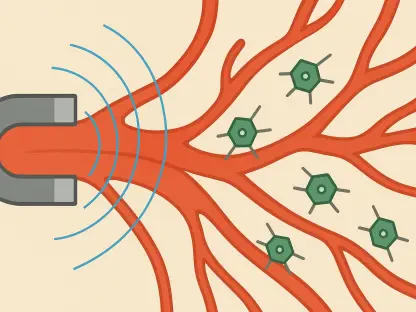

Under the leadership of Dr. Patrick Hwu, Moffitt Cancer Center is evolving into a facility that prioritizes the rapid translation of laboratory discoveries into clinical products for patient use. This strategic direction stems from a professional journey that began in the unlikely setting of St.
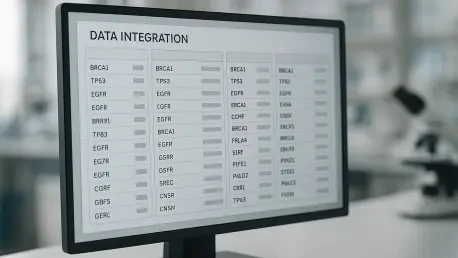
Discrepancies in gene nomenclature often force clinicians and computational biologists to struggle with different identifiers for the exact same biological sequence. In the high-stakes environment of 2026, where personalized medicine depends on granular genomic insights, this fragmentation
The interdisciplinary collaboration between biology and chemistry labs is essential for synthesizing new molecules capable of tagging cancer-essential proteins for destruction within the cell. This scientific synergy is particularly vital in the context of pediatric oncology, where the biological

When the protein-processing machinery of the endoplasmic reticulum is overwhelmed by external stressors, it triggers a cascade of signaling pathways that culminate in programmed cell death. In the current landscape of 2026, oncology has moved decisively toward these types of organelle-specific

Most high-performance computing software suffers from diminishing returns as more processors are added, but this new architecture scales perfectly across millions of units. The pharmaceutical landscape is currently witnessing a seismic shift with the introduction of AdaptiveFlow, an open-source,

Next-generation sequencing has evolved into a standard care path at major cancer centers, allowing biotechnology firms like Aprea to identify patients with actionable mutations without the burden of expensive screening costs. This shift represents a fundamental departure from the historical