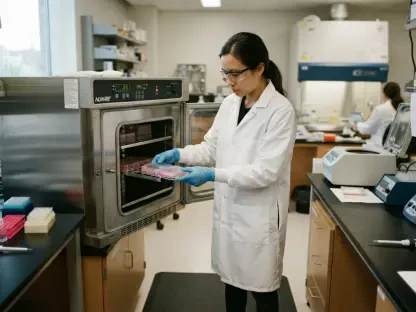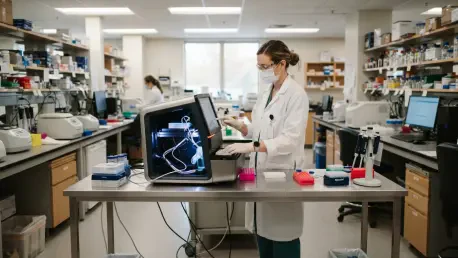

Spain stands at a pivotal crossroads where the promise of genomic medicine meets the significant reality of logistical and administrative bottlenecks within the national health system. Currently, ninety-three percent of medical facilities acknowledge that precision oncology offers substantial clinical benefits, including improved survival rates and a higher quality of life for cancer patients. However, a paradoxical gap exists in data tracking; over half of the hospitals with molecular tumor boards cannot confirm how often their expert genomic recommendations actually result in a change to the patient’s treatment plan. This lack of follow-up metrics suggests that while the scientific capability is flourishing, the systemic ability to monitor and validate these outcomes has not yet fully matured. Without a cohesive way to track the real-world impact of these interventions, the healthcare system risks investing in advanced technologies without understanding their effectiveness at the bedside.
Expanding Diagnostic Access and National Standards
Significant progress has been made in democratizing access to high-end diagnostic tools, with eighty-seven percent of hospitals now reporting access to next-generation sequencing technologies. Furthermore, eighty-four percent of centers have successfully implemented the National Health System’s common catalog, which identifies fifty-seven essential genetic biomarkers for cancer treatment. This rapid expansion is particularly evident in medium-sized medical facilities that have aggressively adopted precision medicine strategies to match the standards set by larger metropolitan hubs. Despite this technological footprint, a deeper look reveals a reliance on external infrastructure rather than internal self-sufficiency. Only twenty-two percent of these hospitals possess the capacity to perform genomic sequencing on-site, meaning the vast majority must send samples to centralized reference laboratories. This dependency introduces potential delays in diagnostic turnaround times and highlights a geographical disparity in technical autonomy.
The push toward comprehensive genomic profiling is also reflected in the rising availability of liquid biopsy technology, which is now present in seventy-seven percent of healthcare centers. This non-invasive method allows for the monitoring of tumor evolution through simple blood draws, offering a glimpse into the future of real-time therapy adjustment. Yet, a peculiar bottleneck persists in daily practice; despite its wide availability, liquid biopsy is routinely utilized in only eight percent of eligible clinical cases. This discrepancy suggests that while the hardware and platforms are physically present, clinical protocols and reimbursement models may not yet be optimized for frequent application. To bridge this specific gap, Spanish healthcare leaders must focus on standardizing the triggers for molecular testing to ensure that available technology translates into routine bedside care. Without such standardization, the presence of advanced machinery remains a dormant asset rather than a dynamic tool for improving the precision of oncological interventions across the landscape.
Strategizing for Workforce Growth and Clinical Accountability
The implementation of a unified precision oncology framework across the country required addressing the severe shortage of specialized personnel that served as the primary bottleneck for the National Health System. Approximately ninety percent of hospitals, including every facility with more than one thousand beds, reported that their staffing levels were inadequate to meet the demands of modern molecular medicine. There was a documented scarcity of trained pathologists, molecular biologists, and laboratory technicians who were essential for interpreting complex genomic data and maintaining high-throughput diagnostic workflows. This human resource deficit was cited by eighty-two percent of institutions as the leading hurdle that prevented the efficient scaling of personalized care strategies. Moreover, the lack of standardized quality controls further complicated the landscape, as only twenty-seven percent of diagnostic centers held the necessary ISO 15189 accreditation. These structural weaknesses necessitated a fundamental shift in how the medical community prioritized professional training.
To overcome these systemic challenges, stakeholders focused on establishing shared indicators that accurately measured the real-world impact of molecular tumor board recommendations on patient survival. Experts emphasized that while the technological foundation was largely in place, the future of precision oncology depended on resolving the human resource crisis and standardizing clinical follow-up procedures. Actionable steps involved strengthening the specialized workforce and improving diagnostic response times to ensure that genomic insights were delivered when they were most needed. By prioritizing ISO accreditation and creating clearer protocols for liquid biopsy usage, the national healthcare system aimed to eliminate regional disparities and ensure equitable access to evidence-based personalized therapy. These adjustments provided a clear roadmap for transforming a fragmented diagnostic landscape into a cohesive and data-driven oncology network. The focus shifted toward ensuring that technical capabilities were matched by administrative transparency to maximize clinical benefits.