
The success of the world’s first personalized mRNA cancer vaccine provides a critical proof of concept that could eventually be applied to various other types of malignancies. This medical milestone, recently unveiled at the European Society for Medical Oncology Congress 2026, represents a transformative moment for patients battling high-risk melanoma. By utilizing the same messenger RNA technology that revolutionized global response to viral threats, researchers have now demonstrated that the immune system can be specifically trained to identify and eliminate cancer cells with unprecedented precision. The collaborative effort led by the Melanoma Institute Australia has yielded data that medical experts describe as a foundational shift in oncological treatment. This approach does not merely treat the disease in a general sense but adapts to the unique biological characteristics of each individual’s tumor, offering a level of specificity that was previously unattainable through standard therapies or generic medications.
Targeted Innovation in Cancer Care
The Technology: Precision Sequencing and Vaccine Synthesis
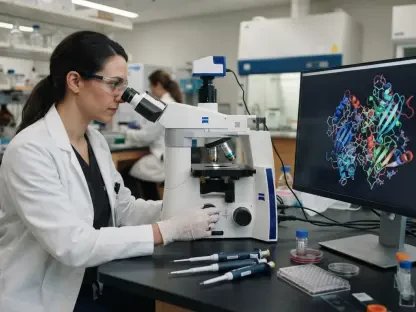
The development process for this individualized neoantigen therapy begins with the meticulous genetic sequencing of a patient’s specific tumor to identify unique mutations. These mutations, which act as distinct biomarkers, are then compared against the patient’s healthy DNA to isolate the exact characteristics that distinguish the malignancy. Once these markers are identified, a customized mRNA sequence is manufactured to serve as a biological wanted poster for the immune system. This synthetic instruction set is delivered into the body, where it prompts the patient’s own cells to produce proteins that mimic those found on the tumor’s surface. Unlike traditional treatments that might affect healthy tissue alongside cancerous cells, this method focuses the body’s natural defenses exclusively on the identified threat, effectively training the immune system to recognize and remember the specific molecular signature of the cancer for long-term protection against potential recurrence.
Clinical Integration: Synergistic Mechanisms of the Immune Response
This personalized vaccine does not operate in isolation but is administered in conjunction with the immunotherapy drug pembrolizumab, commonly known as Keytruda. While the mRNA vaccine provides the immune system with a specific target to attack, the immunotherapy component functions by removing the molecular brakes that cancer cells often use to evade detection. By preventing cancer cells from tricking the immune system into believing they are normal tissue, the combined treatment ensures that the newly trained immune cells can effectively engage and destroy their targets. This dual-action strategy has proven remarkably potent, particularly in preventing the return of the disease after surgical intervention. The synergy between these two technologies addresses the complex ways in which tumors survive, providing a multi-layered defense that has significantly improved the outlook for patients who previously faced a high probability of the disease returning.
Strategic Implementation and Global Healthcare
The Outcome: Statistical Validation From Global Trials
The findings from the comprehensive Phase 3 clinical trial involved over 1,100 participants across 157 global sites, providing robust statistical evidence for the treatment’s efficacy. Data indicates that the combination of the personalized mRNA vaccine and standard immunotherapy reduced the risk of recurrence or death by 42 percent compared to using immunotherapy alone. Furthermore, among patients who remained cancer-free six months into the treatment protocol, the risk of the disease returning plummeted by 58 percent. These results suggest that the therapy is not only effective at immediate eradication but also provides a durable response that could fundamentally change the standard of care. In countries like Australia, where melanoma is a significant public health burden, these statistics offer tangible hope for reducing mortality rates. The scale of this study ensures that the findings are applicable across diverse populations, reinforcing the vaccine’s status as a breakthrough.
The Path Forward: Strategic Pathways for Next-Generation Oncology
The successful validation of this individualized therapy established a definitive roadmap for expanding mRNA applications to other challenging malignancies such as lung and colorectal cancers. Health systems across the globe prepared for the logistical requirements of personalized medicine, including the need for rapid genetic sequencing and specialized manufacturing facilities. Although regulatory reviews remained ongoing, the medical community emphasized the importance of integrating genomic data into routine clinical workflows to facilitate faster access to these vaccines from 2026 to 2028. Clinicians observed that the transition toward this model required a significant investment in biotechnology infrastructure and a shift in how pharmaceutical supply chains operated. The focus moved toward streamlining the production process to ensure that treatments could be delivered within weeks. Ultimately, the integration of these personalized vaccines into oncology practice proved to be a pivotal advancement in the quest for effective cancer cures.