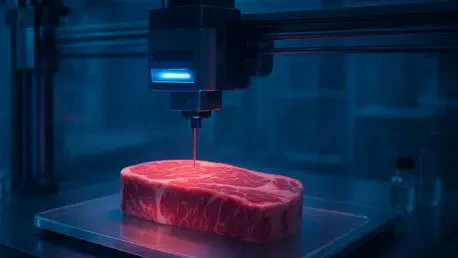

While 37 degrees Celsius is the global default for biological research, it may actually induce a state of chronic metabolic sluggishness in chicken muscle cells. The emergence of cellular agriculture marks a pivotal shift in how the world approaches food security and sustainable protein, yet the

The development of a connected nationwide ecosystem for cellular therapy is designed to standardize the quality of regenerative care across every Malaysian state. This ambitious shift is currently reshaping the biotechnology sector, where the focus has moved from being a passive consumer of

Modern industrial sectors are witnessing a quiet revolution where microscopic organisms are replacing heavy machinery and toxic solvents in the race for cleaner and more efficient production. Industrial bioprocessing allows for the creation of complex medicines derived from living organisms,
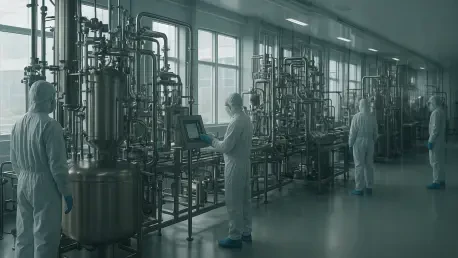
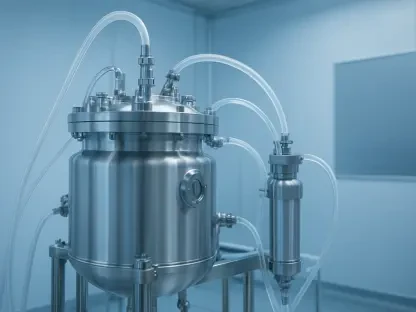
Personalized medicine is emerging as a primary catalyst for manufacturing innovation, requiring flexible platforms that can efficiently produce high-yield therapies for smaller patient populations. This fundamental shift marks the end of the traditional era where massive, stainless-steel vats

The pursuit of engineering non-standard proteins has reached a significant milestone with the development of a system that reassigns sense codons on a massive scale. At the Wyss Institute for Biologically Inspired Engineering, a research group led by George Church has unveiled AGENTEX, a platform

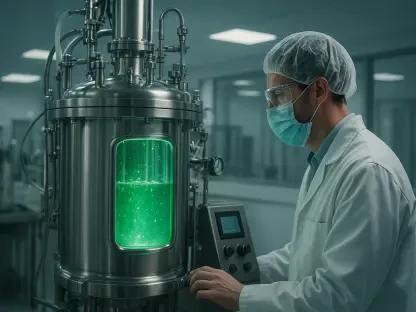
Feed concentrates are becoming increasingly vital for large-scale bioreactor operations where nutrients must be replenished without diluting the existing cell culture. This fundamental shift in bioprocessing technology underscores a much larger movement within the global food system, which is