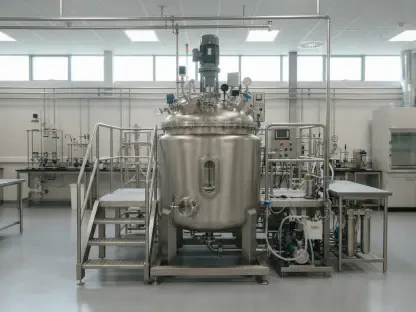
A strategic framework for Western-led stability in the biological sciences is now a matter of national security rather than just a scientific pursuit. The global economy is currently undergoing a fundamental transformation as it moves away from traditional 20th-century heavy industries toward a
Evidence from German manufacturing facilities suggests that electrification can effectively eliminate direct emissions even if it temporarily increases purchased energy figures. This shift represents a fundamental transformation in how life sciences companies approach their environmental footprint

A critical bottleneck in large-scale tissue grafting is the lack of internal blood supply, which often leads to cell death at the center of the engineered construct. To address this, recent advancements in osteoimmunology have pivoted toward materials that do not merely coexist with the body but

The development of the p(BA-V4D4) copolymer provides a balance of softness for stress absorption and strength to maintain structural integrity during rapid ion movement. While most consumers associate battery degradation with a mysterious chemical expiration, the primary driver of failure in modern
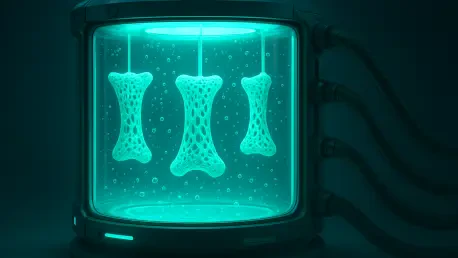
The high cost of exogenous growth factors like BMP-2 remains a major financial barrier to the commercial production of living, engineered bone substitutes. For decades, the reliance on these expensive proteins has restricted high-end tissue engineering to academic research, but the landscape is
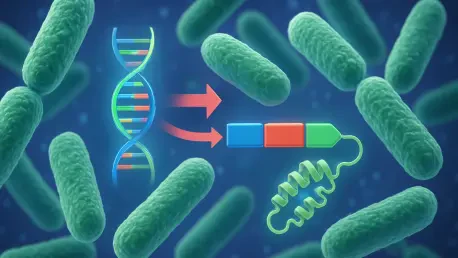
Engineering stable microbial cell factories requires genetic tools that function reliably when integrated into the chromosome rather than relying on high-copy plasmids. This foundational principle guided a recent high-impact collaboration between scientific teams in Argentina and Spain, who sought