
By adopting a flexible modular design, Bayer is engineering a manufacturing environment capable of adapting to the rapid evolution of therapeutic drug requirements. This strategic $2.2 billion commitment to establish a state-of-the-art pharmaceutical campus in New Albany, Ohio, marks a significant milestone in the company’s efforts to strengthen its presence within its largest global market. Located in the New Albany International Business Park, the facility is designed to bolster the resilience of the global medicine supply chain while ensuring a more reliable delivery of innovative treatments to patients. This development signals a departure from traditional industrial models, favoring a tech-forward approach that integrates seamlessly into the regional economic landscape. The project serves as a cornerstone for long-term growth, reflecting a broader trend where pharmaceutical leaders prioritize localized manufacturing to mitigate logistical risks while emerging as a center for high-tech life sciences innovation that attracts top-tier global talent.
Modular Construction: Engineering for Future Therapeutic Needs
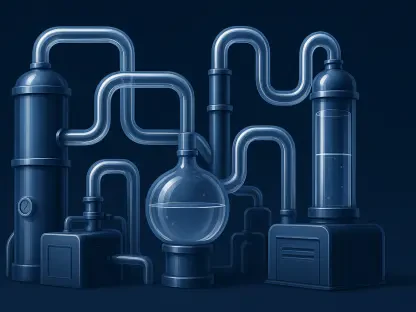
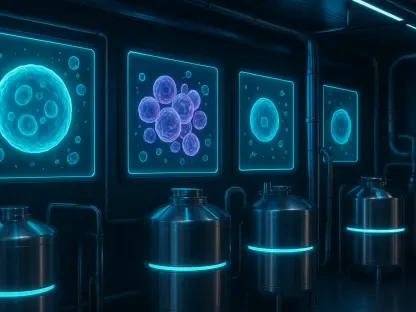
The engineering philosophy behind the New Albany campus revolves around a phased execution strategy that utilizes advanced digital automation to ensure long-term scalability. This modular construction approach allows the facility to evolve alongside clinical breakthroughs, ensuring that production lines can be reconfigured as new drug substance requirements emerge over time. The first significant milestone is scheduled for 2031, when the initial drug substance manufacturing module is expected to become fully operational. This phase will prioritize the production of active pharmaceutical ingredients, which serve as the essential biological and chemical components of modern medicine. By the year 2034, a second module dedicated to final drug product manufacturing will be integrated into the campus operations. This integration creates a full-cycle manufacturing ecosystem on a single site, where the transition from raw substance to final medication is handled within a unified and highly controlled environment.
Production Phases: From Drug Substance to Final Product
Initially, the Ohio facility will focus its production capabilities on Bayer’s most critical pharmaceutical portfolios, specifically targeting oncology, cardiovascular health, and renal care. These therapeutic areas represent some of the most pressing challenges in contemporary healthcare, requiring high-precision manufacturing techniques that the new modular site is uniquely equipped to provide. Furthermore, this new infrastructure is designed to function as a vital node within the existing domestic network, which includes the company’s pharmaceutical headquarters in New Jersey and specialized research hubs in North Carolina and California. By connecting this state-of-the-art site to a broader national infrastructure, Bayer ensures that it can maintain the agility needed to respond to sudden shifts in patient needs or market demands. This synergy between regional capacity and national strategy is essential for sustaining a leadership position where the speed of production can directly influence drug access.
Economic Growth: High-Value Employment and Local Impact
The economic implications of this $2.2 billion project extend far beyond the construction of physical assets, as it is projected to generate approximately 600 permanent, high-value positions once the facility is fully operational. During the initial development years starting from 2026, the local economy will also benefit from the creation of roughly 1,500 specialized construction jobs, stimulating growth across various service sectors in Central Ohio. This influx of professional opportunities is transforming New Albany into a destination for specialized biomanufacturing talent, moving away from the region’s historical reliance on more traditional manufacturing sectors. To support this transition, state officials and corporate leadership have focused on creating an environment that rewards innovation and high-tech expertise. The scale of this investment serves as a clear indicator of confidence in the local economy’s ability to sustain complex industrial operations over the next decade.
Workforce Development: The Ohio Life Science Training Center
A fundamental component of this industrial transformation is the emphasis on workforce readiness and specialized education through the Ohio Life Science Training Center. Scheduled to open in 2027, this $38 million facility represents a collaborative effort between JobsOhio, local government, and academic institutions like Columbus State Community College. The center will serve as a dedicated pipeline for training biomanufacturing operators and technicians in the specific digital and mechanical skills required for Bayer’s modular environment. This proactive approach to talent development ensures that the local workforce is at the cutting edge of pharmaceutical manufacturing technology. By integrating educational curriculum with real-world industrial needs, the region is creating a sustainable ecosystem that bridges the gap between classroom learning and the requirements of a global firm. This model provides students with clear career pathways while guaranteeing access to a pool of skilled professionals.
Strategic Blueprint: Lessons in Resilient Pharmaceutical Infrastructure
The successful integration of this manufacturing campus required stakeholders to prioritize long-term infrastructure over short-term gains, illustrating the necessity of public-private alignment in high-stakes industries. To maximize the benefits of such an investment, regional planners and industry executives recognized that they had to look beyond mere site selection and focus on holistic community engagement. Future developments in this sector should emphasize the creation of adaptable facilities that can withstand rapid shifts in drug discovery and therapeutic delivery methods. Leaders in other states could observe this model and implement similar workforce training initiatives that align closely with specific corporate requirements to ensure economic longevity. By bridging the gap between local education and global industrial standards, the project demonstrated that regional economies thrived by embracing digital transformation. This strategic blueprint offered a clear path forward for those seeking to build resilient medicine supply chains.