
BeneMeat’s partnership with the Italian brand FORZA10 serves as a practical case study for the commercial application of cultivated cells in the animal feed sector. This collaboration marks a significant milestone in the broader trajectory of cellular agriculture, moving beyond speculative research into tangible retail availability. As the market for sustainable protein alternatives matures, the focus has shifted from basic biological proofs of concept to the rigorous demands of industrial-scale manufacturing. The recent strategic meeting between the Austrian bioprocess engineering firm ZETA and the Czech biotechnology innovator BeneMeat in Prague highlights this evolution. Led by Managing Director Alfred Marchler, the ZETA delegation assessed the current state of BeneMeat’s facilities to determine the most effective pathways for scaling production. This engagement represents a critical intersection where high-level engineering meets specialized cellular biology to transform laboratory breakthroughs into a reliable and viable food supply chain.
Industrializing the Future of Cultivated Proteins
Technical Foundations: Engineering for Sustainable Growth
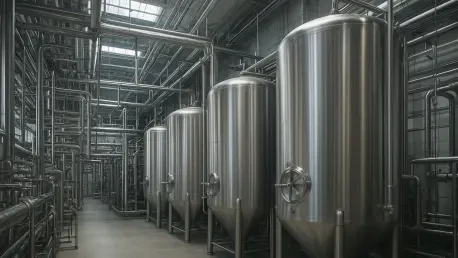
The transition from laboratory-scale experiments to industrial manufacturing represents one of the most significant challenges for the alternative protein sector today. ZETA, a recognized leader in bioprocess engineering, provided the technical backbone for BeneMeat’s ambitious expansion plans by offering specialized knowledge in bioreactor design and mechanical engineering. During the strategic visit to the Prague facility, the teams evaluated the technical and operational requirements necessary to move from small-batch research to continuous large-scale production. The discussion centered on the integration of complex piping systems, sterile filtration, and specialized growth vessels that can accommodate the unique requirements of cultivated cell lines. These engineering solutions are vital because the biological stability of the cells depends heavily on the precision of hardware. Without industrial-grade equipment designed specifically for cellular agriculture, reaching price parity and volume required for mainstream market penetration remains an elusive goal.
Modernizing the production of cultivated meat requires a deep integration of digitalization and automated control systems to ensure consistency across batches. ZETA’s expertise in developing sophisticated digital twins and real-time monitoring solutions allowed BeneMeat to simulate various production scenarios before physical implementation. These digital models are essential for identifying potential failures in the nutrient supply or temperature control systems, which could otherwise result in the loss of expensive biological materials. By leveraging high-fidelity data, the partners improved the precision of their bioreactor operations, moving toward a fully autonomous manufacturing environment that minimizes human error. This technological leap is critical for maintaining the strict quality standards required for human and animal consumption alike. Furthermore, the use of advanced automation facilitates a more sustainable production cycle by optimizing energy consumption and optimizing resources.
Commercial Trajectory: Navigating Markets and Regulations
BeneMeat has already demonstrated significant commercial viability by becoming the first company registered in the European Union’s Feed Materials Register for cultivated cells. This regulatory milestone allowed the firm to launch its product within the Coolty Meat line for the dog food market, proving that cultivated proteins could successfully transition from research laboratories to household shelves. Supporting this commercial push is an impressive multidisciplinary team of over 150 experts who are currently overseeing the commissioning of the largest cultivated meat pilot plant in Europe. The facility was designed to serve as a testing ground for the industrial-scale processes developed in tandem with ZETA, providing the necessary infrastructure to validate production yields before moving to full commercial deployment. This growth reflects a broader trend where companies are investing heavily in specialized talent and localized manufacturing hubs to reduce logistical costs and improve the environmental footprint of their final products.
The collaboration established a clear framework for how biotechnology firms and engineering specialists could align their objectives to overcome production bottlenecks. The teams recognized that the path forward necessitated a dual focus on refining the digital twin models for bioreactor performance and securing long-term supply chains for growth media. They prioritized the development of modular production units that could be rapidly deployed in regions with favorable regulatory climates, ensuring that temporary setbacks in specific markets like the UK did not hinder overall global expansion. By integrating real-time sensor data with advanced nutrient delivery systems, the partners paved the way for a standard in cultivated meat manufacturing that emphasized transparency and efficiency. This strategic alignment positioned the entities to adapt to evolving safety standards while maintaining the high throughput required for commercial success in the competitive alternative protein landscape.