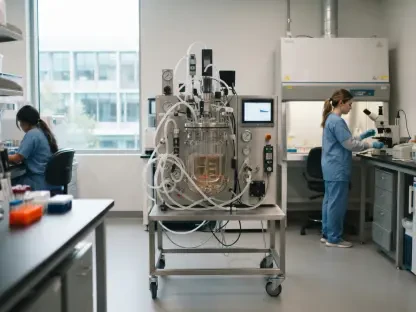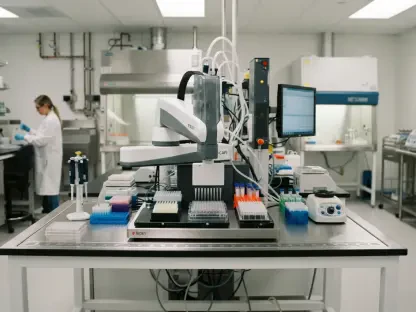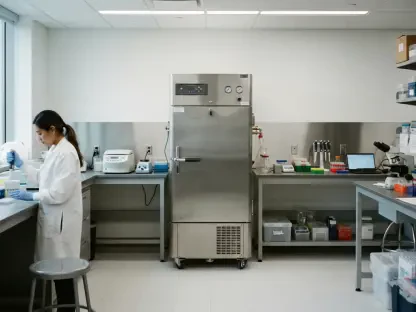

Submerged cultivation of Fomitopsis pinicola mycelium offers a controlled alternative to wild harvesting, allowing researchers to precisely manipulate chemical outputs in liquid tanks. This wood-decaying fungus, colloquially known as the Red-Belted Conk, has occupied a prominent place in traditional medicine for centuries, primarily due to its anti-inflammatory and antimicrobial characteristics. However, as the pharmaceutical demand for natural antioxidants grows in 2026, the industry has faced the challenge of inconsistent supply from wild-harvested specimens. The shift toward laboratory-controlled environments ensures that every stage of the fungal life cycle is monitored, maximizing the production of phenolic compounds that drive the mushroom’s therapeutic efficacy. By utilizing high-tech bioreactors, the process transitions from a seasonal, unpredictable harvest to a precision-engineered manufacturing system capable of producing high-purity extracts on a global scale. This methodology not only protects forest ecosystems from overharvesting but also provides a standardized chemical profile that is essential for modern medical applications and rigorous clinical validation.
Genetic Identification and Cultivation Methods
Establishing a Strong Fungal Genetic Foundation
Before any optimization of growth parameters could occur, establishing the precise identity of the biological agent was paramount. The research focused on strain 1523, a high-performing isolate sourced from the IBK Mushroom Culture Collection, which was subjected to rigorous genetic fingerprinting to ensure reproducibility. Scientists utilized the polymerase chain reaction (PCR) technique to amplify the 18S internal transcribed spacer region of the fungal DNA, providing a definitive molecular signature. This sequence was subsequently registered under the GenBank accession number PQ184654, anchoring the study’s findings to a verified genetic lineage. Such precision is critical in 2026, as industrial-scale bioproduction relies on the certainty that a specific strain will respond predictably to environmental stressors. Without this foundational step, the chemical variations observed during cultivation could be mistakenly attributed to environmental factors rather than genetic predispositions, potentially leading to costly errors in commercial production pipelines.
The verification process further serves to distinguish this specific isolate from other closely related species within the Fomitopsis genus, which may not possess the same biosynthetic potential for antioxidant production. By mapping the genetic landscape of strain 1523, researchers have created a reliable benchmark for the industry, allowing other laboratories to verify their cultures against this high-yield standard. This move toward genetic standardization is part of a broader trend in biotechnology to treat fungal mycelium as a programmable biological factory. Once the genetic identity was secured, the focus shifted to the physical environment, where the vegetative mycelium could be encouraged to thrive in liquid media. This genetic clarity ensures that the subsequent data regarding temperature, pH, and nutrition are directly applicable to this specific, high-potency lineage, providing a blueprint for pharmaceutical companies seeking to stabilize their supply of red-belted conk metabolites.
Methodological Shifts: Transitioning Research Practices from Naturalistic Field Observations to Controlled Laboratory Environments
The transition from wildcrafted fruiting bodies to submerged mycelial cultivation represents a major leap in efficiency and sustainability. In the wild, the red-belted conk grows slowly on decaying timber, often taking years to reach maturity while being exposed to environmental pollutants and varying weather conditions. In contrast, the use of submerged cultivation in sterile liquid tanks allows for a complete harvest in a matter of weeks rather than years. This process involves inoculating a nutrient-rich broth with the verified strain 1523, where the mycelium grows as a suspended mass. This setup provides a three-dimensional growth environment that maximizes the surface area for nutrient absorption and gas exchange. The ability to monitor oxygen levels and nutrient depletion in real-time gives researchers the power to intervene at critical stages of the growth cycle, steering the fungus toward the most efficient production of secondary metabolites.
Furthermore, the laboratory setting eliminates the risks associated with wild harvesting, such as the accidental collection of toxic look-alikes or the depletion of natural forest resources. By controlling every variable—from light intensity to the precise concentration of dissolved minerals—producers can ensure that every batch of extract is identical in its chemical composition. This level of consistency is virtually impossible to achieve with wild mushrooms, which are subject to the health of their host trees and the local soil chemistry. As the industry moves forward, these liquid-tank systems are becoming the gold standard for producing high-value fungal bioactives, offering a scalable solution that meets the stringent requirements of the 2026 healthcare market while adhering to the principles of green chemistry and ecological preservation.
Balancing Physical Mass and Chemical Potency
Thermal Influence: Biomass versus Bioactivity
A fascinating discovery in the cultivation of Fomitopsis pinicola is the distinct metabolic trade-off between the physical growth of the fungus and its chemical potency. Experimental data revealed that the optimal temperature for accumulating raw biomass is 20°C, a relatively cool setting that mimics the early spring or late autumn forest floor. However, when the temperature was increased to 30°C, a significant shift occurred: while the total dry weight of the mycelium decreased, the concentration of antioxidant phenols and the radical scavenging activity spiked. This phenomenon suggests that warmer temperatures act as a mild environmental stressor, signaling the fungus to redirect its energy away from building cellular structures and toward the production of protective secondary metabolites. At 30°C, the mycelium demonstrated a radical inhibition rate of nearly 80%, proving that warmth is a primary trigger for the fungus’s medicinal power.
This divergence presents a strategic choice for industrial producers who must decide whether to prioritize the volume of the harvest or the strength of the final product. For pharmaceutical applications, the quality of the extract—specifically its ability to neutralize free radicals—is often more valuable than the raw quantity of the fungal mass. The research highlights that maintaining a constant 30°C environment can yield a more potent medicine, even if the total amount of material gathered is smaller. This insight allows for the development of “two-stage” cultivation protocols, where the fungus is first grown at a lower temperature to build a strong physical foundation, then shifted to a higher temperature to “ripen” its chemical profile. Such precision tuning of thermal parameters is essential for maximizing the return on investment in commercial bioreactors where energy costs and yield potency must be carefully balanced.
Mechanical Agitation: Morphological Efficiency
The physical shape of the fungus during cultivation is another critical factor that influences its speed and chemical output. When left in a static state, the fungus forms a thick, velvety mat on the surface of the liquid, known as a pellicle. While this natural growth form is effective for producing high levels of phenols, it is an incredibly slow process, often requiring 28 days to reach its peak concentration. In contrast, introducing mechanical agitation at 120 RPM transforms the mycelium into discrete, spherical pellets. These tiny pellets, ranging from 0.1 to 0.5 mm in diameter, are highly efficient biological units. Because they are suspended throughout the liquid rather than floating on top, they have greater access to nutrients and oxygen, which drastically accelerates the biosynthetic clock. Under these shaken conditions, the fungus reached its maximum phenolic yield in just 7 days, representing a 400% increase in production speed compared to the static method.
The shift to a pellet-based morphology also offers significant practical advantages for large-scale industrial operations. These spherical structures lower the overall viscosity of the growth medium, making it much easier to pump the liquid through filtration systems and ensuring better aeration throughout the tank. Despite the rapid growth and physical changes induced by agitation, the quality of the final extract remains remarkably high. Both static and shaken systems eventually achieved a radical inhibition ceiling of approximately 93%, indicating that mechanical movement serves as a biological accelerator without compromising the fundamental functional capacity of the fungus. For any facility looking to scale up production in the current market, the transition to agitated cultivation is a necessary step to ensure that high-potency extracts are delivered to the market in a fraction of the traditional time.
Identifying Superior Carbon and Nitrogen Sources
Wood-Based Sugars: The Xylose Advantage
In the quest to optimize fungal growth, the choice of carbon source acts as the primary fuel for all metabolic processes. While glucose is the most common sugar used in laboratory microbiology due to its simplicity and cost-effectiveness, the red-belted conk showed a remarkable preference for xylose. Xylose is a five-carbon sugar and a major component of hemicellulose, the complex carbohydrate found in the wood that this fungus naturally decays. This evolutionary adaptation means that the fungus is genetically programmed to thrive on wood-based sugars. When fed xylose, the mycelium produced a phenolic concentration of 16.55 mg of gallic acid equivalents per gram, significantly outperforming cultures grown on glucose or other simple sugars. This indicates that mimicking the fungus’s natural diet is the most effective way to unlock its full chemical potential.
The implications of this finding are significant for the sustainability of fungal biotechnology, as xylose can be sourced from agricultural byproducts and wood waste, aligning fungal production with circular economy principles. By utilizing these complex sugars, producers can create a high-value medicinal product while making use of waste streams from the timber and farming industries. The high radical inhibition rates observed with xylose-fed cultures—reaching nearly 90%—further prove that the type of sugar provided does more than just feed the fungus; it dictates the complexity and potency of the final antioxidant profile. This selective nutritional strategy allows for the engineering of nature-identical environments that encourage the fungus to synthesize the same powerful compounds in a liquid tank that it would produce on an ancient conifer in a temperate forest.
Nitrogen Selection: Prioritizing Bioactive Potency
Nitrogen is the building block of proteins and enzymes, and its source in the growth medium is just as vital as the carbon source. When testing various nitrogen substrates, researchers discovered that while yeast extract was excellent for promoting raw biomass, peptone was the superior choice for stimulating bioactive production. Peptone, a protein derivative, encouraged the mycelium to reach a radical scavenging rate of over 90% and maintained high levels of phenolic compounds. This reinforces the recurring theme that the nutrients that make a fungus “fat” or physically large are not necessarily the ones that make it “potent” or medicinally active. Peptone provides a specific blend of amino acids and peptides that seems to favor the secondary metabolic pathways responsible for antioxidant synthesis.
Choosing the right nitrogen source is therefore a matter of objective-driven formulation; if the goal is to produce fungal bulk for use as a food additive or structural material, yeast extract might be the preferred option. However, for the high-end nutraceutical and pharmaceutical markets of 2026, where the concentration of active ingredients is the primary selling point, peptone-based media are the clear winner. This selectivity allows manufacturers to fine-tune their formulas to target specific health benefits, ensuring that the final extract contains the maximum possible concentration of therapeutic phenols. The ability to steer fungal metabolism through simple nutritional adjustments represents a cost-effective alternative to more invasive genetic modifications, providing a “natural” pathway to high-potency medicine.
Ecological Adaptations and Chemical Correlations
Acidophilia: Thriving in Low pH Environments
One of the most surprising and industrially relevant findings in the study of Fomitopsis pinicola is its extreme acidophilia. While most terrestrial fungi prefer an environment that is only slightly acidic or neutral, this specific strain achieved its highest biomass and phenolic yields at an incredibly low pH of 2.5. This level of acidity is comparable to lemon juice or gastric acid, and it would be lethal to many other competing microbial species. Furthermore, the fungus demonstrated a remarkable ability to engineer its own environment. Regardless of the starting pH of the liquid medium, the mycelium rapidly secreted organic acids to lower the pH until it reached an equilibrium zone between 2.6 and 3.6. This proactive acidification is likely a survival strategy used in the wild to exclude bacteria and other fungi from the wood the red-belted conk is colonizing.
From an industrial perspective, this “love for acid” is a massive advantage, as maintaining a growth environment at pH 2.5–3.5 naturally discourages the growth of most common laboratory contaminants that typically prefer more neutral conditions. This reduces the reliance on antibiotics or extreme sterilization protocols during the cultivation process, lowering production costs and improving the safety profile of the final extract. Moreover, the highest phenolic output—recorded at 31.92 mg GAE/g—occurred at these low pH levels, suggesting that the biosynthetic pathways for antioxidants are specifically tuned to function in highly acidic conditions. Embracing this extreme ecological niche allows producers to create a “biological fortress” where the red-belted conk can grow with minimal competition and maximum chemical efficiency.
Maintaining Statistical Rigor by Establishing a Clear Scientific Link Between Phenol Concentrations and Overall Human Performance
To ensure that the medicinal claims regarding Fomitopsis pinicola were grounded in empirical data, researchers employed Pearson correlation analysis to examine the relationship between chemical content and biological activity. The results showed a “very strong” positive correlation, with coefficients ranging from 0.80 to 1.0, between the concentration of total phenolics and the ability of the extract to neutralize DPPH radicals. This statistical confirmation is vital for the pharmaceutical industry because it proves that phenols are the primary drivers of the extract’s antioxidant power. By establishing this clear link, the research provides a simplified quality control metric: by measuring the total phenolic content—a relatively straightforward and inexpensive laboratory test—producers can accurately predict the functional potency of their product without needing to perform complex radical assays for every batch.
This data-driven approach elevates the Red-Belted Conk from a traditional remedy to a precision-validated pharmaceutical ingredient. In the competitive landscape of 2026, where consumers and regulators demand transparency and efficacy, having a statistically proven link between a chemical marker and a health benefit is indispensable. This correlation also allows for the standardization of dosage, as extracts can be concentrated or diluted to meet specific phenolic targets that guarantee a certain level of antioxidant performance. The use of advanced statistical tools to validate fungal bioactivity ensures that the industry is built on a foundation of scientific rigor, moving away from anecdotal evidence and toward a model of evidence-based natural medicine that can be trusted by healthcare providers and patients alike.
Implementing an Optimized Industrial Framework
A Comprehensive Multi-Factor Strategy for Consistently Achieving Peak Yields and Optimizing Investment Returns
The study culminated in the development of a comprehensive multi-factor optimization strategy that combined all the individual “best” variables into a single, cohesive cultivation profile. By integrating xylose as the carbon source, utilizing peptone for nitrogen, setting the initial pH to 3.5, and maintaining a steady temperature of 30°C, the researchers more than doubled the phenolic output compared to initial control trials. Specifically, this optimized approach resulted in a phenolic concentration of 25.10 mg GAE/g in agitated cultures while maintaining a radical inhibition rate of nearly 90%. This success demonstrates that bioprocess control—the careful management of a fungus’s diet and environment—is an incredibly powerful tool for enhancing the yield of natural medicines without the need for complex and often controversial genetic engineering.
This holistic approach to optimization serves as a master blueprint for the commercial production of Fomitopsis pinicola extracts. It demonstrates that the “functional potency” of a fungus is not a fixed trait but rather a dynamic response to its surroundings. By providing the organism with the exact combination of stressors and nutrients it needs, producers can “program” the mycelium to operate at peak efficiency. This optimized framework is particularly valuable for scaling up production into large industrial bioreactors, where even small improvements in yield can lead to massive gains in profitability and supply chain stability. As the global demand for plant- and fungal-based antioxidants continues to rise, these multifactorial strategies will be the key to making high-quality natural medicine accessible to a wider population.
Beyond Traditional Methods: Forward-Looking Perspectives
The experimental evaluation of Fomitopsis pinicola strain 1523 demonstrated that precise environmental manipulation can transform a slow-growing wild fungus into a high-speed biological factory. The researchers successfully identified the critical levers of temperature, pH, and nutrition that uncouple physical growth from metabolic potency. The results showed that while the fungus naturally prefers cooler temperatures for biomass, it requires warmer, highly acidic conditions to maximize its therapeutic output. Furthermore, the discovery that mechanical agitation can reduce production time by 75% without sacrificing quality provided a robust argument for the adoption of shaken-culture systems in commercial biotechnology. These findings effectively updated older scientific observations, proving that the Red-Belted Conk is far more acid-tolerant and metabolically flexible than previously understood, which opens new doors for industrial application.
Looking ahead, the industry should focus on integrating these optimized protocols into automated bioreactor systems to further reduce human error and increase batch-to-batch consistency. The actionable next steps for producers from 2026 to 2028 involve the adoption of wood-derived sugars like xylose to improve sustainability and the implementation of pH-controlled growth cycles that exploit the fungus’s natural acidophilia. Future research should investigate how these optimized extracts perform in clinical settings, particularly for their anti-inflammatory and neuroprotective properties. By moving beyond traditional forest harvesting and embracing these precision-engineered cultivation methods, the biotechnology sector can ensure a stable, potent, and sustainable supply of fungal-based medicine. This transition not only honors the history of the Red-Belted Conk as a folk remedy but also secures its future as a vital component of modern, evidence-based healthcare.