
Establishing mathematical models for population growth highlights how plant-based supplements can match the theoretical carrying capacity of full-serum media. As we navigate the bioprocessing landscape of 2026, the reliance on animal-derived components like fetal bovine serum and newborn calf serum remains one of the most significant hurdles for the pharmaceutical industry. These additives, while rich in essential growth factors and transport proteins, introduce a range of complications, from high costs and ethical concerns to technical challenges like batch-to-batch variability and potential viral contamination. Consequently, finding sustainable, plant-derived alternatives that do not sacrifice cellular performance has become a top priority for researchers working with critical host cell lines such as Madin-Darby canine kidney cells. These cells are essential for high-yield viral propagation and vaccine production, making any advancement in their nutrient efficiency a major win for global health infrastructure. By tapping into agricultural byproducts, particularly the protein residues from industrial potato starch processing, a new path forward has emerged. These residues can be processed into highly active peptides that provide the necessary nutritional support to reduce animal serum dependency by half without compromising the structural or functional integrity of the cultured cells.
1. The Production Process: From Isolate to Peptide
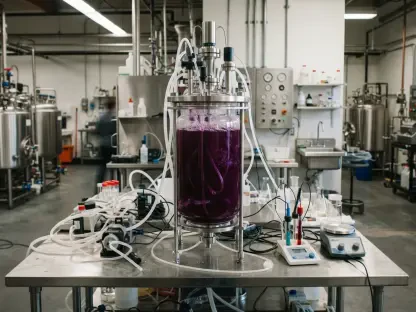
Creating a functional serum-sparing additive begins with the careful extraction and enzymatic modification of potato protein isolates. In the current experimental setup, researchers utilized a commercial isolate with a protein purity of approximately eighty-six point seven percent. This raw material was dissolved in distilled water to achieve an eight percent weight-to-volume ratio, creating a concentrated protein suspension. To ensure the enzymatic environment was optimal, the solution’s acidity was carefully balanced using hydrochloric acid and sodium hydroxide to reach a neutral pH of six point two. This specific point of neutrality is crucial for the stability of the proteins and the efficiency of the subsequent enzymatic step. The process then moved to the addition of Flavorzyme, an industrial-grade protease preparation. By introducing twenty-four thousand units of this enzyme per gram of the protein substrate, the team initiated a targeted breakdown of the large, complex potato proteins into smaller, more bioavailable fragments. This step is the cornerstone of the production, as it transforms a relatively inert plant powder into a biologically active cocktail of growth-supporting molecules.
Following the initial mixture, the solution was placed in a thermostatically controlled water bath at fifty degrees Celsius for exactly four hours. This incubation period allowed the Flavorzyme to thoroughly hydrolyze the potato proteins, cleaving peptide bonds to release a diverse array of short-chain oligopeptides. Once the four-hour window concluded, the reaction had to be precisely terminated to prevent over-digestion, which was achieved through thermal denaturation at ninety degrees Celsius for fifteen minutes. To refine the resulting liquid, high-speed centrifugation was employed at eight thousand revolutions per minute to remove any undissolved aggregates or denatured enzymes, leaving behind a clarified supernatant. The most critical refinement occurred next: the liquid was passed through a five-kilodalton molecular weight cutoff ultrafiltration membrane. This narrowed the product down to only the smallest, most mobile peptides. Finally, the filtered fraction was frozen at minus eighty degrees Celsius and subjected to lyophilization, resulting in a stable, shelf-ready powder with a measured degree of hydrolysis exceeding forty-two percent.
2. Biochemical and Structural Profile: Analyzing Molecular Size
The effectiveness of potato protein peptides as a culture supplement is deeply rooted in their biochemical composition, which was rigorously analyzed to ensure molecular consistency. Initial investigations using sodium dodecyl sulfate-polyacrylamide gel electrophoresis revealed a complete transformation of the protein landscape. In the raw potato isolate, prominent protein bands were clearly visible across a wide range of molecular weights, specifically between thirty-four and seventy-two kilodaltons. However, following the enzymatic treatment and ultrafiltration, these heavy bands completely vanished, replaced by a continuous distribution of much smaller fragments entirely below the seventeen-kilodalton threshold. This shift confirmed that the heavy structural proteins of the potato had been successfully broken down into the low-molecular-weight fractions that mammalian cells can easily internalize and metabolize. Furthermore, amino acid analysis showed that free amino acids accounted for nearly thirty-nine percent of the total mass, providing a rich source of essential nutrients like leucine and valine, which are critical for synthesizing new cellular proteins during periods of rapid proliferation.
To gain a more granular understanding of the peptide mixture, the research team utilized high-resolution liquid chromatography-tandem mass spectrometry. This sophisticated analysis identified one hundred and one unique peptide sequences within the ultrafiltered hydrolysate. The results were striking: the vast majority of these peptides were incredibly small, with sixty-six percent of the identified sequences possessing molecular weights between five hundred and one thousand daltons. Only a tiny fraction of the sequences exceeded three thousand daltons, affirming that the filtration and hydrolysis process had created a highly refined pool of short-chain oligopeptides. These small fragments are particularly advantageous in cell culture because they can be efficiently transported across the cell membrane to serve as direct building blocks or signaling molecules. By providing such a concentrated and diverse array of small-molecule nutrients, the potato protein hydrolysate acts as a potent biological fuel, effectively mimicking the complex nutrient delivery system that cells typically rely on animal serum to provide in traditional laboratory settings.
3. Impact on Cellular Proliferation: Identifying the Optimal Dosage
Determining the correct concentration of potato peptides is vital, as cellular health follows a strict dose-response curve when exposed to these plant-derived additives. Initial screening tests were conducted on Madin-Darby canine kidney cells across a concentration gradient ranging from zero point five to five grams per liter. The observations revealed a clear “Goldilocks” zone at one gram per liter, where the cells maintained a healthy, compact epithelial morphology and reached confluence at rates comparable to high-serum environments. At this optimal dosage, the cells exhibited clear boundaries and uniform growth across the culture surface, indicating that the peptides were providing sufficient nutritional support without disrupting the delicate balance of the media. However, as the concentration climbed above two grams per liter, a notable decline in cellular health occurred. The cells began to exhibit spindle-like deformities and irregular aggregation, suggesting that excessive levels of these plant-derived fragments can induce osmotic stress or toxicity that hinders normal biological function.
Building on the identification of the optimal one-gram-per-liter dose, long-term studies were conducted to see if the growth-promoting effects would persist over multiple generations. Cells were maintained through nine sequential passages to ensure that no latent deficiencies or toxicities would emerge over time. By the ninth passage, the results were definitive: the group supplemented with one gram per liter of peptides and only five percent serum actually surpassed the peak cell density of the group grown in standard ten percent serum. The peptide-supplemented group achieved a doubling time of roughly fifteen point seven hours, significantly faster than the control groups lacking the additive. This performance demonstrates that the potato peptides do more than just supplement the media; they optimize the cellular environment for sustained, high-speed replication. This ability to maintain superior growth kinetics over extended periods is a significant milestone for manufacturers looking to reduce their reliance on animal-derived sera while keeping production yields at peak levels.
4. Mathematical Validation: Modeling Growth Dynamics
To move beyond visual observations and simple cell counts, the research team employed rigorous mathematical modeling to quantify the growth dynamics of the cultures. By fitting the experimental data to a logistic population growth equation, the scientists were able to determine the maximum specific growth rate and the theoretical carrying capacity of each media formulation. The logistic model provides a comprehensive look at how a population of cells behaves from the initial lag phase through the exponential growth phase and into the stationary plateau. For the peptide-supplemented group, the carrying capacity reached an impressive three point five one nine times ten to the fifth cells per milliliter. This figure not only outperformed the low-serum control but also slightly exceeded the capacity of the standard ten percent serum environment. The high coefficient of determination for these models indicated that the growth behavior of the cells was highly predictable and consistent, reinforcing the reliability of potato peptides as a standardized component for large-scale culture systems.
The specific growth rates calculated from these mathematical models further solidified the case for plant-based supplementation. The peptide-supplemented cultures maintained a specific growth rate of zero point zero four zero six reciprocal hours, which was nearly identical to the rate seen in the full-serum control. This statistical alignment proves that the cells were not merely surviving in the reduced-serum environment but were flourishing at their maximum biological potential. By achieving a carrying capacity and growth rate that mirror or exceed traditional standards, the potato protein peptides demonstrate their capacity to replace the complex growth factors found in serum. For bioprocess engineers, this mathematical certainty is essential for scaling up operations, as it allows for precise predictions of harvest times and nutrient requirements. The ability to model these kinetics so accurately highlights a future where serum reduction is not a compromise in quality but a calculated and highly efficient shift in manufacturing strategy.
5. Metabolic Activity: Monitoring Glucose and Lactate Flux
The health of a cell culture is often best reflected in its metabolic footprint, particularly in how it consumes primary energy sources and produces metabolic waste. During the seven-day observation period, the extracellular levels of glucose and lactate were monitored to assess the efficiency of the potato peptide supplementation. All experimental groups showed a steady decline in glucose concentrations as the cells consumed the sugar to fuel their division and maintenance. Interestingly, the group supplemented with potato peptides maintained a more consistent and sustained rate of glucose consumption compared to the low-serum control. This suggests that the peptides provide a more stable metabolic environment, preventing the rapid nutrient exhaustion or cellular starvation that can occur when serum levels are drastically cut. The presence of these plant-derived nutrients seems to facilitate a more balanced metabolic state, allowing the cells to utilize the available glucose effectively over the entire duration of the culture cycle.
Lactate production, a primary byproduct of cellular metabolism, was also measured and found to be highest in the peptide-supplemented group. While high lactate can sometimes be a sign of stress, in this context, it correlated directly with higher cell densities and more robust metabolic activity. As the cells proliferated rapidly thanks to the peptide-rich environment, their collective metabolic output naturally increased. At the end of the six-day growth period, the peptide group reached a lactate concentration of fourteen point seven nine millimoles per liter, notably higher than both the five percent and ten percent serum controls. This accumulation indicates that the cells were highly active and engaged in the vigorous metabolic processes necessary for rapid biomass accumulation. By providing a detailed look at these metabolic markers, the study confirmed that potato peptides do not interfere with the core energy pathways of the canine kidney cells but rather support a higher level of overall biological productivity within the culture vessel.
6. Survival Outcomes: Enhancing Cryopreservation and Cloning
One of the most challenging aspects of cell culture is maintaining viability during high-stress events such as single-cell cloning and cryopreservation. In the study’s clonogenic assays, where cells are seeded at very low densities to test their ability to form new colonies, the potato peptides showed a clear protective benefit. Cells in the reduced-serum media supplemented with peptides achieved a cloning efficiency of forty-five point one percent, which was actually higher than the forty-three point six percent observed in the standard ten percent serum control. This enhancement is particularly important for researchers who need to establish stable cell lines from single progenitors, as the peptides likely provide the essential attachment factors and survival signals that are normally diluted when serum levels are lowered. This suggests that the peptide mixture contains specific bioactive motifs that help isolated cells overcome the stress of detachment and re-seeding, facilitating the establishment of healthy, proliferating colonies.
The protective effects of the potato peptides extended into the critical area of cryopreservation, which is essential for long-term cell storage and transport. Standard freezing protocols typically require high concentrations of serum to protect the delicate cell membranes from ice crystal formation and osmotic shock. However, the researchers found that by preconditioning the cells with potato peptides, they could achieve a post-thaw viability of ninety-two point eight percent. When the peptides were used directly as a component of the freezing medium, they allowed for a significant reduction in the required volume of newborn calf serum. While the peptides could not entirely replace serum in the freezing process, formulations using fifteen percent serum combined with peptides performed just as well as the standard twenty percent serum controls. This ability to lower the serum burden in cryoprotective solutions represents a significant step toward creating more standardized and less animal-dependent protocols for the banking of critical mammalian cell lines.
7. Future Directions: Bridging the Gap to Industrial Application
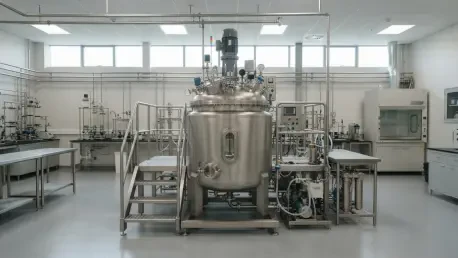
The investigation into potato protein peptides as a serum-sparing additive provided compelling evidence for their utility in modern bioprocessing. Researchers observed that a precise dosage of one gram per liter allowed for a fifty percent reduction in newborn calf serum while maintaining superior growth kinetics and metabolic health in Madin-Darby canine kidney cells. The extensive biochemical characterization of the hydrolysate confirmed that the enzymatic process successfully created a nutrient-dense mixture of short-chain peptides and essential amino acids. These components not only supported dense batch cultures but also improved the survival rates of cells in low-density cloning environments. Furthermore, the mathematical modeling efforts established a reliable framework for predicting cellular behavior in these modified media, which is a prerequisite for any eventual transition to large-scale industrial manufacturing. The results collectively demonstrated that agricultural byproducts could be transformed into high-value reagents that addressed both the economic and ethical challenges of traditional cell culture.
Looking forward, several actionable steps were identified to move this technology from the laboratory to the production floor. The team noted that while growth kinetics were promising, future work should focus on direct physical cell counting to validate the metabolic activity assays used in this study. Additionally, there was a clear need to investigate the specific peptide sequences responsible for the toxicity observed at higher concentrations, as isolating these fragments could lead to even more refined and potent supplements. Most importantly, the research community was encouraged to test these potato-derived peptides in the context of viral replication and vaccine yield. Because the host cells are primarily used for influenza vaccine production, ensuring that the plant-based additives do not interfere with viral entry or protein synthesis is the next critical hurdle. These findings laid a robust foundation for a new generation of sustainable cell culture media that prioritized efficiency and consistency without sacrificing biological performance.