
The precision of orthogonal overlap design ensures that minor errors in initial chemical synthesis do not multiply into larger misassembled products. As biotechnology continues to accelerate into the mid-2020s, the ability to architect complex metabolic pathways and entirely new genomes has moved
The internal chronology of the human brain appears to be a negotiation between hardwired genetic programs and the external environment rather than a purely reactive state. This realization marks a significant departure from traditional neurobiology, which often viewed the brain as a plastic organ
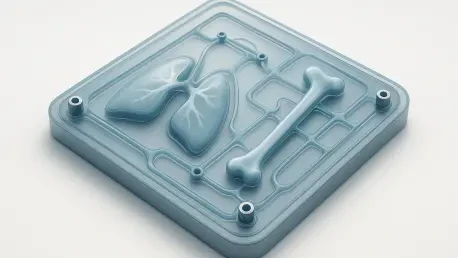
By integrating a selectively permeable endothelial lining, this new technology forces cancer cells to demonstrate their ability to traverse vessel walls. This breakthrough represents a monumental shift in oncology, moving away from the static culture plates and animal models that have dominated
A single targeted mutation known as R126E has proven capable of enhancing the potency of growth-promoting proteins while making them more resistant to chemical degradation. This finding comes at a time when regenerative medicine is seeking more durable solutions for patients with impaired healing
The discovery of a cell-intrinsic developmental clock suggests that laboratory-grown brain tissues record and recall their age regardless of their external environment. For years, scientists wondered if the maturation of human brain organoids was dictated by the nutrient-rich media of the petri
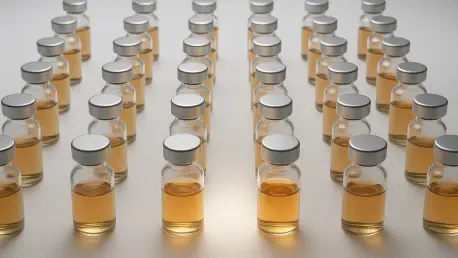
Laboratories specializing in virology and immunology must now evaluate if their current biosafety margins are sufficient to protect staff from aerosolized H5N1 exposure. The recent isolation of live, infectious H5N1 avian influenza from a commercial batch of fetal bovine serum (FBS) has sparked a