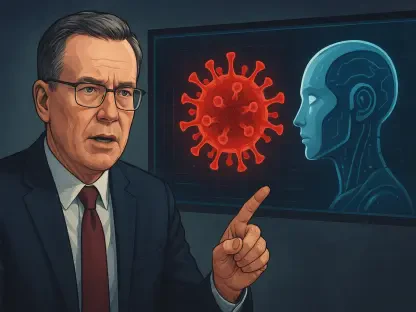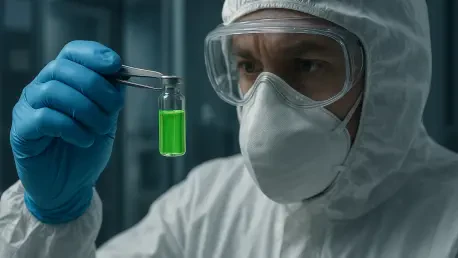

Former Homeland Security officials warn that the death of a Russian scientist underscores the difficulty of distinguishing between defensive pathogen research and offensive weaponization. The recent fatality at the Irkutsk Anti-Plague Research Institute in Siberia has reignited fears regarding the clandestine development of biological agents under the guise of public health initiatives. While the official statement from Moscow attributes the death to an unfortunate laboratory accident involving the plague during legitimate medical trials, international intelligence agencies remains skeptical. This skepticism is rooted in a documented history of utilizing biological toxins for covert operations and domestic control. The facility in question is known for its extensive collection of highly infectious pathogens, making it a focal point for global security assessments. As biological threats become more sophisticated, the opacity surrounding such research centers complicates diplomatic efforts to enforce international safety standards. This incident serves as a stark reminder of how easily the boundaries of scientific inquiry can be blurred in high-security environments.
Navigating the Fine Line Between Defense and Offense
The ambiguity surrounding dual-use research remains one of the most significant challenges for global security experts who monitor biological threats. Facilities that are officially designated for vaccine development often utilize the same equipment and techniques required to enhance the virulence of dangerous pathogens. This overlap creates a strategic veil, allowing nations to potentially bypass the Biological Weapons Convention while claiming compliance. Monitoring these sites requires a level of transparency that is often absent in the current geopolitical climate, where data sharing has become increasingly restricted. The ability to hide offensive weaponization within legitimate pharmaceutical programs means that the international community must rely on indirect indicators, such as unusual laboratory fatalities or unexplained localized outbreaks. Without rigorous, unannounced inspections and real-time data access, distinguishing a defensive study from a preparatory offensive measure becomes nearly impossible for external observers and regulatory bodies.
Geopolitical tensions in the current landscape have exacerbated the risks associated with state-sponsored biological programs, as traditional safeguards appear less effective than in previous years. The death of a high-profile researcher suggests that experimental protocols at the Irkutsk facility may have pushed beyond standard safety margins, hinting at the pursuit of more aggressive pathogen variants. Intelligence analysts are particularly concerned about the development of antibiotic-resistant strains that could be utilized as tools of asymmetric warfare. These concerns are not merely speculative; they reflect a growing pattern of behavior where biological research is prioritized for its potential to destabilize adversaries without the immediate footprint of conventional conflict. As 2026 continues to present new security hurdles, the focus has shifted toward identifying the specific genetic signatures of engineered diseases. The global community is now forced to reconsider the necessity of a more intrusive monitoring framework to prevent the normalization of secret bioweapon stockpiling.
Technological Frontlines in Modern Biodefense Strategies
In response to these escalating threats, the United States has accelerated the deployment of advanced technological assets to detect and neutralize biological anomalies before they can escalate into global crises. A primary example of this defensive posture is found at Argonne National Laboratory, where researchers utilize massive supercomputing power to conduct complex genetic mapping of emerging pathogens. By analyzing the structural evolution of viruses and bacteria, scientists can determine whether a biological agent has undergone natural mutations or has been intentionally modified in a laboratory setting. This predictive modeling allows for the rapid development of countermeasures, significantly shortening the timeline for creating effective treatments or vaccines. These computational tools also simulate the potential spread of a pathogen across urban environments, providing critical data to emergency responders and policy makers. This integration of data science and biology represents the new standard in biodefense, ensuring that technical expertise keeps pace with the evolution of biological threats.
The response to modern biological risks necessitated a shift from passive observation to an active, unified defense network that integrated clinical care with high-level intelligence. Medical institutions like Rush University Medical Center demonstrated that public health infrastructure worked best when it moved beyond mere reporting and toward specialized treatment capabilities for rare pathogens. Leaders in the field established that the most effective deterrent against bioweapons was a resilient society capable of identifying and isolating threats in their infancy. This required the creation of decentralized diagnostic hubs that could provide real-time feedback to national security agencies, thereby closing the gap between detection and action. Future stability depended on the rigorous enforcement of international transparency protocols and the continued investment in rapid-response technologies. By prioritizing these collaborative strategies, the global community sought to neutralize the strategic advantage of secret biological programs and ensured that scientific progress remained focused on preservation.