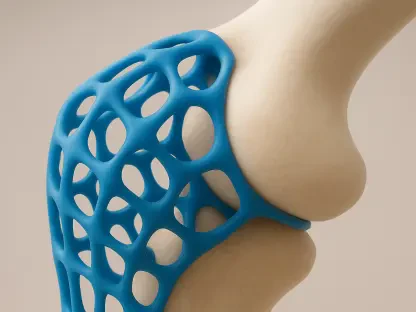
The quest to recreate the intricate complexity of human tissue within a laboratory setting has long been hindered by the limitations of static synthetic materials that fail to communicate with living cells. As bioengineering transitions from simple scaffolds to dynamic, interactive systems,

The agonizing reality for patients living with Recessive Dystrophic Epidermolysis Bullosa involves a daily struggle against skin so fragile that the slightest friction causes debilitating blisters and permanent scarring. For years, medical intervention remained limited to palliative care, focusing

The persistent gap between the growing demand for organ transplants and the limited supply of donor tissues has driven researchers to seek more sophisticated bioengineering solutions for several decades. While the scientific community has successfully fabricated large-scale arteries and microscopic
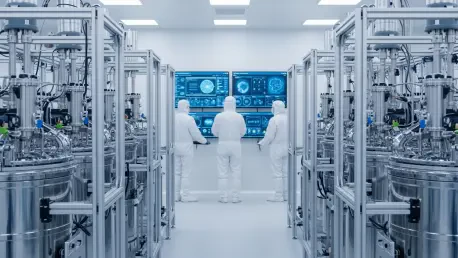
The global food production landscape is currently undergoing a radical metamorphosis as cultivated meat moves from high-concept laboratory prototypes into the realm of multi-ton industrial manufacturing facilities. This transition signifies the emergence of a specialized infrastructure specifically

The National Institute of Advanced Industrial Science and Technology (AIST) has introduced a transformative analytical technique designed to redefine how manufacturers assess the quality and consistency of culture media. This innovation utilizes a sophisticated fingerprinting approach to capture

The progressive loss of dopamine-producing neurons in the substantia nigra remains one of the most daunting challenges in modern neurology, affecting millions of lives worldwide today. Conventional treatments, such as levodopa, served as the gold standard for managing motor symptoms, yet these