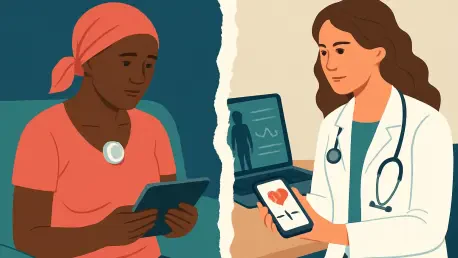

The medical technology industry is currently undergoing a seismic shift, moving from reactive clinical treatments to proactive, home-based health management. Central to this transformation is the emerging field of neuro-metabolic monitoring, which seeks to understand the glymphatic system, the

Accessing specialized mental healthcare across the vast and often rugged terrain of the Australian Outback has historically presented a nearly insurmountable challenge for residents living outside major urban centers like Sydney or Melbourne. By 2026, the integration of advanced telehealth

The compromise of sensitive healthcare information at the Community Health Center of Buffalo has ignited a fierce debate regarding the adequacy of digital safeguards in the modern medical landscape. When individuals entrust their private health records, social security numbers, and financial

Clinical research has recently illuminated a profound and overlooked connection where the systemic pathways of cardiovascular instability and cellular malignancy overlap in aging female populations, necessitating a radical shift in how chronic diseases are diagnosed and treated. This convergence is

The historical perception of manganese as a benign mineral responsible for little more than stained laundry and a metallic aftertaste has been shattered by a growing body of scientific evidence linking its consumption to severe neurological impairment. Manganese is ubiquitous in the earth’s crust,

The rapid expansion of direct-to-consumer medical platforms has fundamentally altered the landscape of mental health services by prioritizing speed and accessibility over the rigorous diagnostic standards historically maintained by traditional brick-and-mortar clinics. This digital transformation,