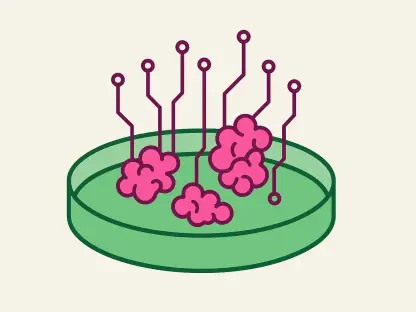

The interdisciplinary collaboration between biology and chemistry labs is essential for synthesizing new molecules capable of tagging cancer-essential proteins for destruction within the cell. This scientific synergy is particularly vital in the context of pediatric oncology, where the biological landscape of tumors differs drastically from adult cases. In recent years, brain tumors have overtaken leukemia as the leading cause of cancer-related mortality among children in several regions, including the United Kingdom. Despite this alarming shift, the field suffers from a significant lack of investment compared to more common adult malignancies. This funding gap restricts the ability of researchers to translate complex genomic data into viable clinical treatments. Consequently, the pediatric medical community is currently witnessing a massive strategic push to reorganize research frameworks, ensuring that financial resources are directed toward high-impact projects that address the specific molecular drivers of childhood brain cancer.
Shifting Focus Toward Long-Term Quality Of Life
The traditional success metrics in pediatric oncology often centered exclusively on five-year survival rates, but this narrow focus frequently overlooked the lifelong consequences of aggressive intervention. Standard treatments such as high-dose radiation and systemic chemotherapy remain effective at killing malignant cells, yet they often inflict permanent damage on a child’s rapidly developing central nervous system. Clinical data indicates that over 60% of survivors experience chronic health issues, ranging from cognitive impairment and hormonal imbalances to severe emotional distress. As a result, the current research paradigm is moving toward the development of “kinder” therapies that prioritize neurological preservation. This transition involves refining dosing schedules and investigating targeted delivery mechanisms that shield healthy brain tissue from toxic exposure. By emphasizing the long-term functional outcomes of patients, researchers are acknowledging that a successful cure must also allow a child to lead a fulfilling and independent life.
To achieve these less toxic outcomes, scientists are leveraging advanced neuro-imaging and artificial intelligence to better predict how specific tumors will respond to reduced radiation dosages. Current studies from 2026 to 2028 are examining the feasibility of proton beam therapy and other focused energy modalities that minimize the exit dose to surrounding brain structures. This approach is supplemented by the integration of supportive care protocols that begin at the moment of diagnosis rather than after the completion of intensive treatment. Neuropsychological monitoring and early rehabilitative interventions are becoming standard components of the treatment plan, helping to mitigate the developmental delays that often accompany brain tumor therapies. Moreover, the pharmaceutical industry is being incentivized to repurpose existing drugs with known safety profiles for pediatric use, further accelerating the timeline for these gentler alternatives. This holistic view of patient health represents a major ideological shift in oncology today.
Advancing Precision Medicine In High-Grade Gliomas
Pediatric-type diffuse high-grade gliomas, specifically diffuse midline gliomas, represent one of the most significant challenges in modern medicine due to their invasive nature and location in critical brain regions. Historical reliance on broad-spectrum treatments has largely failed to improve outcomes for these aggressive tumors. However, the adoption of precision medicine has introduced a more sophisticated strategy that involves analyzing the unique genetic and molecular signature of each tumor. By identifying specific histone mutations or epigenetic alterations, clinicians can now select drug combinations that target the specific pathways fueling tumor growth. This shift away from a “one-size-fits-all” model allows for more effective suppression of the malignancy while avoiding the systemic side effects associated with traditional drugs. Recent breakthroughs in liquid biopsies are also enabling doctors to monitor these genetic shifts in real-time, allowing for rapid adjustments to the treatment regimen as the tumor evolves.
The transition from laboratory discovery to clinical application is being significantly accelerated through international collaboration and the use of global research networks like the CONNECT Consortium. These partnerships allow for the simultaneous launch of multi-center clinical trials, which is essential given the rarity of specific pediatric brain tumor subtypes. By pooling data and resources across continents, researchers can achieve statistical significance in their studies much faster than through localized efforts. This clinical translation strategy ensures that a promising molecule identified in a high-tech lab can reach the bedside of a patient in record time. Furthermore, these consortia facilitate a standardized approach to biobanking and data sharing, which provides a rich repository of information for future investigations. This global synergy not only democratizes access to experimental therapies for children in various geographical regions but also fosters a culture of transparency and innovation that is essential for the future.
Integrating Molecular Innovation And Photoimmunotherapy
In the specialized study of medulloblastoma, the most common malignant brain tumor in children, researchers are moving beyond basic DNA sequencing to explore the complexities of proteomic profiling. This involves investigating the specific proteins produced by the tumor cells, which often serve as the actual engines of disease progression. By meticulously comparing the protein expression of healthy neural stem cells with that of cancerous cells, scientists can pinpoint specific vulnerabilities that are unique to the tumor. This molecular mapping enables the design of targeted therapies that disrupt the signaling pathways required for cell division and survival. The objective is to develop pharmacological agents that act like precision-guided missiles, neutralizing the cancer while leaving the delicate architecture of the surrounding brain intact. This level of specificity is crucial for reducing the long-term neurocognitive deficits that have historically plagued medulloblastoma survivors, offering a more refined and informed path toward recovery.
Beyond molecular targeting, the emergence of photoimmunotherapy offers a revolutionary approach to pediatric neuro-oncology by combining light-activated chemistry with immunology. This technique utilizes specialized drugs that selectively bind to proteins on the surface of tumor cells; once these drugs are in place, they are activated by near-infrared light delivered through minimally invasive fiber optics. The resulting reaction causes the physical destruction of the tumor cells with immense precision. Perhaps more importantly, this process releases tumor-specific antigens that stimulate the patient’s own immune system to recognize and attack any residual cancer cells throughout the body. This dual-action mechanism not only addresses the immediate tumor mass but also provides a form of internal surveillance against recurrence. As these multidisciplinary efforts continue to evolve, the integration of physics, chemistry, and biology is creating a new therapeutic landscape where the treatment of brain tumors is defined by accuracy.
Building A Sustainable Framework For Future Progress
The advancements achieved in the management of pediatric brain tumors during this period established a critical foundation for future breakthroughs. By prioritizing precision over power, the medical community successfully shifted the standard of care toward methods that protected the cognitive integrity of young patients. The strategic integration of molecular profiling and international clinical networks ensured that no child was limited by the geographical location of their care. Moving forward, the focus must remain on expanding these collaborative frameworks and securing consistent, long-term funding to sustain the momentum of these innovations. Researchers and policymakers worked together to create a robust pipeline for new therapies, demonstrating that interdisciplinary synergy was the most effective weapon against complex malignancies. The success of these initiatives underscored the necessity of viewing pediatric oncology through a lens of both survival and quality of life, providing a clear roadmap for the continued evolution of treatment.