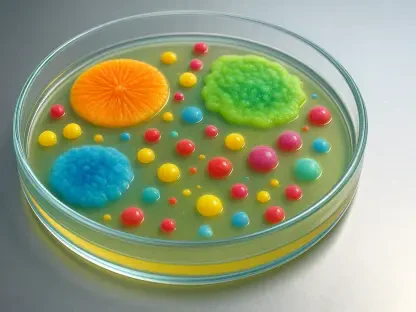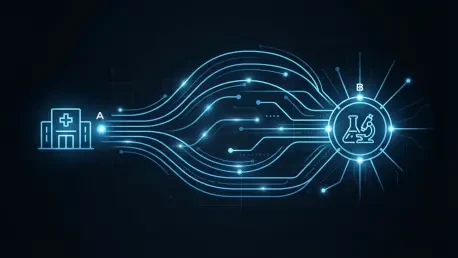

Live-cell imaging is replacing traditional endpoint assays by allowing researchers to observe the continuous kinetics of immune-mediated tumor killing in 3D models. This shift represents a broader transformation across the pharmaceutical landscape, where the emphasis has moved from the raw quantity

The recent events at the Irkutsk Anti-Plague Research Institute demonstrate the significant challenges of managing public perception during a potential highly virulent disease outbreak. When Darya Shipilova, a 27-year-old laboratory specialist, passed away on October 2, the localized incident
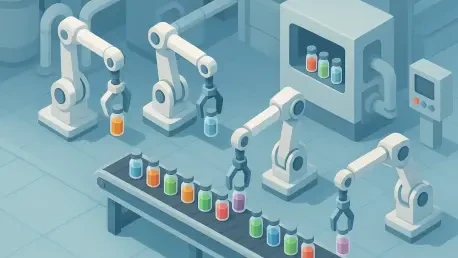
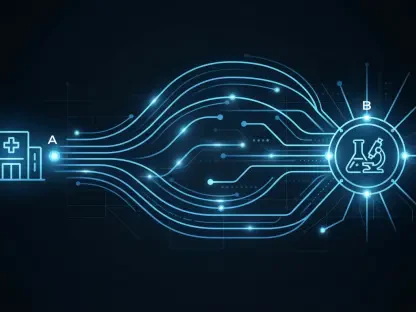
The primary value of integrating artificial intelligence into biological research is the dramatic reduction in time required to identify viable therapeutic targets. This acceleration represents a seismic shift in how the financial markets value biotechnology, moving it from a speculative sector

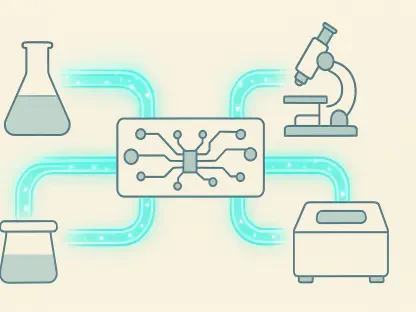
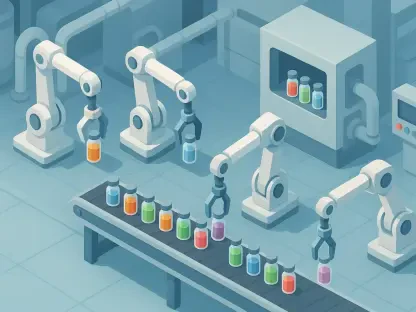
The initiative led by Professor Mo Maniruzzaman focuses on connecting disparate technological tools into a singular automated production ecosystem. This groundbreaking shift at the University of Mississippi represents a direct response to the stagnant timelines that have historically defined the

While multi-terabyte raw sequencing files are theoretically accessible to the public, the specialized knowledge required to align and analyze them creates a persistent data reuse gap. This bottleneck has long prevented the scientific community from fully leveraging the trillions of dollars invested
With a focus on advanced machine learning, Isomorphic Labs is attempting to cut years off the timeline required to bring life-saving drugs from the lab to patients. This ambitious goal is currently being met with unprecedented investor enthusiasm, as reports indicate the Alphabet spinoff is seeking