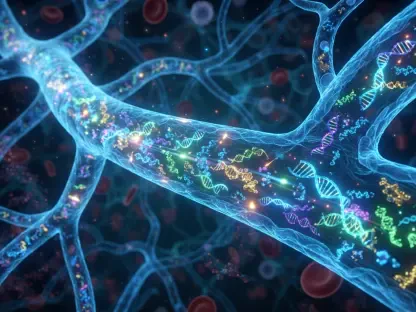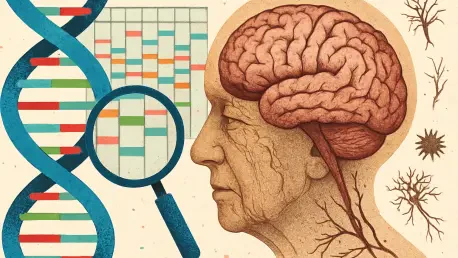

Current research suggests that the paradigm for neurodegenerative care is shifting from reactive management to a proactive genetic-first strategy that promises to identify risks decades before memory loss begins. In the landscape of 2026, the medical community no longer views Alzheimer’s as a monolithic condition but as a spectrum of genetic variations. This evolution was sparked by massive genome-wide association studies that identified over 100 loci associated with the disease. Unlike the broad approaches of the past, contemporary medicine utilizes polygenic risk scores to map individual vulnerabilities with unprecedented precision. This shift has necessitated a complete overhaul of diagnostic frameworks, moving away from simple cognitive tests and toward comprehensive molecular profiling. As clinical trials now prioritize participants based on specific genetic markers, the likelihood of success in drug development has increased significantly. This transition represents a fundamental change in how society perceives the aging process.
Mapping the Genomic Landscape: From Risk to Protection
Rare Variants: The Key to Precision Diagnostics
Recent breakthroughs in deep sequencing have uncovered rare genetic variants in the SORL1 and ABCA7 genes that play a far more significant role in late-onset cases than previously understood by the medical community. While the APOE-ε4 allele remains a well-known risk factor, these newly identified mutations provide a more granular view of how cellular transport mechanisms fail within the brain’s microenvironment. These discoveries are particularly vital because they explain why some individuals develop the disease despite lacking the standard genetic red flags. By utilizing high-throughput sequencing technologies in 2026, clinics are now able to screen for these subtle mutations during routine health check-ups, providing patients with a decade-long head start on lifestyle modifications and preventative treatments. The integration of this data into electronic health records allows for real-time monitoring of neurobiological shifts. This proactive approach ensures that therapeutic interventions are timed to provide maximum neuroprotection before irreversible damage occurs.
Resilience Genes: Finding the Blueprint for Defense
A fascinating shift in 2026 involves the study of individuals who possess high levels of amyloid pathology but remain cognitively sharp well into their nineties. Recent investigations into the ChristChurch mutation in the APOE gene have revealed how certain genetic configurations can essentially shield the brain from the toxic effects of tau tangles. This discovery has redirected research efforts away from merely removing protein aggregates and toward mimicking these natural protective mechanisms. By synthesizing the molecular actions of these resilient genes, pharmaceutical companies are developing small-molecule stabilizers that can be administered to bolster neural defenses. This strategy focuses on the brain’s innate ability to repair itself and maintain synaptic plasticity despite the presence of traditional disease markers. The shift toward studying health rather than just pathology represents a profound change in neurology, where the goal is to enhance biological resilience through targeted modulation, effectively extending the cognitive lifespan.
Clinical Implementation: Transforming Research into Care
Molecular Intervention: The Role of Targeted Gene Therapies
The advent of Antisense Oligonucleotides and CRISPR-based gene editing has transformed the therapeutic landscape from symptom management to direct molecular intervention at the source of the problem. In 2026, several phase III trials are demonstrating that lowering the production of the tau protein through gene-silencing can halt the progression of the disease in patients with specific early-stage markers. These technologies work by binding to the messenger RNA of the target gene, preventing the translation of toxic proteins that lead to neuronal death. Unlike traditional infusions that must cross the blood-brain barrier with limited efficiency, these localized genetic therapies offer a more direct and potent method of treatment. Medical centers are increasingly equipped with specialized units to administer these therapies, which require precise delivery techniques but offer the promise of long-term stabilization. This iterative process of discovery is creating a cycle in which every successful treatment provides more data.
Strategic Integration: Next Steps for Global Health Systems
The rapid integration of genetic insights into the clinical workflow established a new benchmark for how neurological diseases were managed within modern healthcare systems. Medical professionals and patients alike shifted their focus toward long-term genomic surveillance, which allowed for the identification of risks long before cognitive symptoms manifested. To maintain this momentum, healthcare providers prioritized the continuous education of staff on the latest molecular diagnostic tools and personalized treatment protocols. Practical steps involved the adoption of sophisticated data management systems that securely integrated genetic profiles with daily health monitoring technologies. The focus also turned toward fostering public-private partnerships that aimed to reduce the costs of genetic therapies, making them accessible to a wider demographic. This transition required a concerted effort to update clinical guidelines to reflect these nuances. Ultimately, the move toward a preventative, gene-focused model provided a definitive roadmap for success.