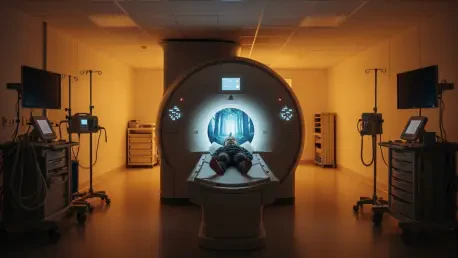

For a child, the cavernous bore of an MRI machine, coupled with its rhythmic thumping and the necessity for absolute stillness, can be a terrifying experience that often results in failed scans or the need for general anesthesia. This fundamental challenge in pediatric radiology has prompted a strategic collaboration between Philips and Disney, aimed at transforming the clinical environment from a cold, intimidating room into an interactive storytelling space. By integrating familiar characters and narrative elements into the diagnostic process, the initiative seeks to alleviate the physiological and psychological stress that typically accompanies medical imaging. The partnership leverages advanced clinical technology alongside world-class creative content to address the specific developmental needs of young patients. This approach represents a shift toward human-centric medical design, where the focus extends beyond hardware capabilities to include the emotional well-being of the individual.
Enhancing Pediatric Care Through Digital Immersive Environments
Overcoming Clinical Challenges: The Role of Narrative Integration
Traditional methods of preparing children for imaging often rely on verbal instructions or basic distraction techniques that can fail under the pressure of a real clinical setting. The integration of Disney-themed stories into the Philips Ambient Experience provides a more structured and engaging framework for patient cooperation. Before entering the scan room, children can choose their favorite stories, which then follow them throughout the procedure via high-definition projections and synchronized lighting. This continuity helps build a sense of agency and control in an environment where they usually feel powerless. Clinical teams have observed that when children are absorbed in a narrative, they are more likely to follow instructions regarding breathing or staying still, which are critical for high-resolution imaging. By turning the scanner into a “magic portal” or a thematic adventure, the technology bridges the gap between a frightening medical necessity and a familiar, comforting play-like experience.
Mitigating Sedation Risks: A Priority in Modern Radiology
One of the most significant clinical goals of this partnership is the reduction of general anesthesia and sedation in pediatric populations. While sedation ensures a child remains still, it carries inherent risks, requires additional medical staff, and necessitates long recovery times in the hospital. The ability to complete a diagnostic-quality MRI without pharmacological intervention not only improves patient safety but also streamlines the operational workflow of the imaging department. By utilizing immersive environments to calm the patient naturally, hospitals can decrease the number of canceled or rescheduled appointments due to patient non-compliance. Furthermore, avoiding sedation reduces the financial burden on healthcare systems and the emotional strain on parents who must wait through complex recovery protocols. This shift toward non-invasive behavioral management highlights how creative content can serve a functional clinical purpose, transforming the economics of pediatric care while prioritizing the long-term health outcomes.
Implementing Thematic Solutions in Global Healthcare Facilities
Clinical Validation: Measuring Success through Patient Outcomes
Recent pilot programs across various international medical centers have provided empirical data supporting the effectiveness of these immersive environments. Research conducted through 2026 indicates that the presence of familiar characters significantly lowers the heart rate and reported anxiety levels of patients before the procedure begins. Radiologists have noted a marked improvement in first-time scan success rates, which reduces the total time a child spends inside the noisy equipment. These improvements are not merely subjective; they translate into clearer diagnostic images that are free from motion artifacts, allowing for more accurate diagnoses and treatment planning. The data suggests that when the environment is tailored to the sensory sensitivities of children, the technical performance of the imaging equipment is maximized. This synergy between atmospheric design and radiological precision demonstrates that the patient experience is an integral component of clinical quality rather than a secondary luxury in the model.
Future Directions: Actionable Steps for Hospital Integration
Looking ahead, the integration of these systems should involve a holistic redesign of the patient pathway, starting from the waiting room and extending into post-scan consultations. Medical facilities sought to incorporate these solutions by training staff not only on the technical operation of the hardware but also on the nuances of narrative engagement. Effective implementation required a collaborative approach between facility architects, IT specialists, and child life experts to ensure the digital content remained seamless and responsive to patient needs. Future considerations for healthcare providers included the expansion of these thematic environments to other high-stress areas such as emergency rooms and oncology wards. By adopting a standardized protocol for immersive distraction, hospitals moved toward a more empathetic model of care that recognized the psychological impact of the clinical setting. The success of this collaboration encouraged further investment in digital therapeutic tools that blended entertainment with clinical evidence.