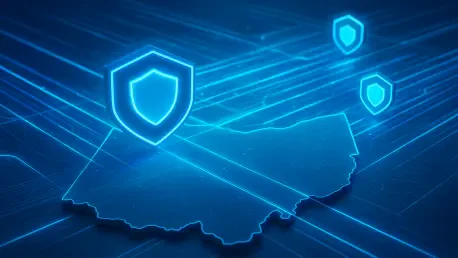

Criminals are leveraging the trust associated with digital medical platforms to execute sophisticated identity theft and financial fraud against the elderly. In recent months, Ohio has seen a sharp increase in fraudulent activity specifically targeting patients using the MyChart application, which is widely adopted by major hospital systems like the Cleveland Clinic and Ohio State University Wexner Medical Center. These attackers often initiate contact through deceptive text messages or emails that appear to be official notifications regarding urgent lab results, unpaid medical bills, or security updates. Because medical records contain highly sensitive personal information, including Social Security numbers and insurance details, the stakes for patients are incredibly high. The localized nature of these attacks suggests that scammers are harvesting data from regional breaches to tailor their messages, making them appear more legitimate to Ohio residents who expect communications from local healthcare providers. As healthcare delivery becomes increasingly reliant on digital interfaces, the vulnerability of the patient population grows alongside the convenience of these modern tools.
Anatomy of the Deception: Understanding Phishing Tactics
Digital Deception: The Mechanics of Healthcare Fraud
The technical execution of the MyChart scam involves the creation of pixel-perfect replicas of login portals that trick users into surrendering their credentials. When a patient clicks a link in a fraudulent email, they are directed to a site that looks identical to their provider’s actual portal, often featuring the correct logos and color schemes of Ohio-based medical groups. These malicious websites are frequently hosted on domains that closely mimic official URLs, perhaps by changing a single letter or adding a misleading suffix like “secure-billing” or “login-portal.” Once the patient enters their username and password, the attackers capture this information in real-time and may even prompt the user for additional sensitive data, such as credit card numbers to resolve a supposed “overdue balance.” This method of credential harvesting is particularly effective because it bypasses traditional spam filters by using legitimate-looking hosting services and encrypted connections, providing a false sense of security to the unsuspecting user.
Psychological Pressure: Exploiting Patient Anxiety
Beyond the technical sophistication of the spoofed websites, the success of these scams relies heavily on psychological manipulation and the creation of a false sense of urgency. Attackers often frame their messages around critical health events, such as a “new diagnostic report available” or a “final notice regarding account suspension,” which compels the recipient to act without thinking critically about the source. For elderly patients in Ohio, who may be managing chronic conditions and frequent appointments, these notifications carry significant emotional weight. The fear of missing important medical advice or facing a disruption in care services leads many to overlook the subtle red flags of a phishing attempt. Furthermore, scammers frequently time their campaigns to coincide with standard billing cycles or open enrollment periods, further blending their fraudulent communications with the expected flow of legitimate healthcare administration. This calculated exploitation of the patient-provider relationship undermines the foundation of trust.
Defensive Strategies: Protecting Personal Health Information
Proactive Measures: Strengthening Digital Security
Securing a digital health identity requires a multi-layered approach that moves beyond simply choosing a complex password for a medical portal. Implementing multifactor authentication remains the most effective barrier against unauthorized access, as it requires a secondary verification step that scammers cannot easily replicate without physical access to the patient’s mobile device. Many Ohio healthcare providers have already updated their systems to require these codes, but patients must proactively ensure these features are enabled within their specific account settings. Additionally, using the official MyChart mobile application rather than clicking links in emails or text messages provides a much safer environment for accessing medical data. Mobile apps downloaded from verified stores are generally more resilient to the redirection tactics used by phishers. It is also advisable for users to regularly monitor their insurance “Explanation of Benefits” statements for any unrecognized services, which could be an early indicator that their medical identity is compromised.
Verified Communications: Establishing Authentic Contact
The most reliable way to avoid falling victim to these evolving scams was to establish a strict policy of verifying all medical communications through independent channels. If a suspicious notification appeared, patients found that calling their doctor’s office directly or navigating to the hospital’s official website via a bookmarked link provided the necessary clarity. The Ohio Attorney General’s office encouraged residents to report these phishing attempts to help track the movements of criminal groups operating within the state. By taking these deliberate steps, individuals transformed from potential victims into active participants in their own digital defense. Moving forward, the integration of artificial intelligence into cybersecurity offered better automated detection, but the human element of caution remained the most critical safeguard. Patients who prioritized manual verification and remained skeptical of unsolicited digital prompts successfully protected their financial stability and their sensitive health histories. This proactive mindset ultimately served as the ultimate shield against these predatory tactics.