
Observations of immune system organoids in orbit help explain why human immune responses weaken in space, providing insights that could lead to new treatments for autoimmune diseases on Earth. The cultivation of miniature human tissues, known as organoids, aboard the International Space Station represents one of the most sophisticated frontiers in modern biotechnology. These three-dimensional, self-organizing structures are derived from stem cells and effectively replicate the complex architecture and physiological functions of human organs. While terrestrial laboratories have utilized organoids for years, the transition to a microgravity environment allows researchers to observe biological processes and tissue maturation in ways that are physically impossible on Earth. By removing the constant pull of gravity, scientists can study cellular interactions without the distortion of weight, leading to a more profound understanding of human biology at its most basic level. This shift to orbital platforms has redefined medical breakthroughs in 2026.
The Role of Microgravity in Tissue Engineering
On Earth, gravity forces cells to settle into two-dimensional layers unless researchers use artificial scaffolding to prop them up, which often complicates the growth process. However, the microgravity environment of the International Space Station allows cells to grow in three dimensions more naturally, closely mimicking the way they develop within the human body. This unique physical state influences fundamental ways in which cells communicate, differentiate, and express genes. By leveraging this environment, scientists are gaining a deeper understanding of how mechanical forces shape human life at a molecular level, providing a more accurate representation of organ structure than any ground-based model can offer. The absence of sedimentation and buoyancy-driven convection in orbit permits a level of precision in tissue engineering that was previously unreachable. This creates a pristine environment where the focus remains entirely on the biological directives of the cells themselves, rather than external constraints.
Building on this foundation, researchers have discovered that the fluid dynamics in space allow for better nutrient distribution within large organoids without the need for complex vascularization. In terrestrial labs, the center of a growing organoid often dies because nutrients cannot penetrate the dense cellular cluster effectively. In the microgravity of orbit, however, the lack of settling means that cells remain suspended in their growth media, ensuring that every part of the structure receives the necessary signals for healthy development. This has led to the production of larger and more complex tissue models that can survive for longer periods than their counterparts on the ground. Consequently, these robust models provide a superior platform for studying the long-term effects of chronic conditions or the slow progression of genetic diseases. This technical advantage has positioned orbital research as a vital component of the broader biomedical industry, as it offers a window into the natural self-assembly of human tissues.
Breakthroughs Across Vital Organ Systems: GI and Cardiovascular Health
Research conducted in orbit has yielded striking results across various medical disciplines, particularly regarding gastrointestinal and cardiovascular health. Investigations into intestinal organoids have shown that microgravity alters genetic signaling pathways responsible for cell growth, potentially revealing new therapeutic targets for inflammatory bowel diseases. Similarly, the study of cardiac organoids helps scientists understand how heart cells mature and contract. This research is essential not only for protecting astronauts on long-duration missions but also for studying age-related cardiac decline and heart failure in the general population. By observing how heart tissue adapts to the low-load environment of space, medical professionals are identifying specific proteins that regulate muscle strength and electrical conductivity. These discoveries are translating into new pharmacological approaches to treat heart disease, where the goal is to maintain muscle mass in patients who are bedridden or suffering from degenerative conditions for life.
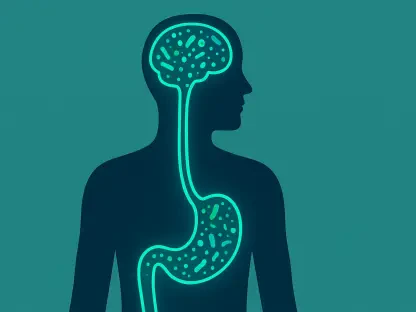
Beyond the cardiovascular system, brain organoids grown in space provide a unique window into neural differentiation and the formation of synapses without gravitational interference. These experiments are crucial for understanding neurodevelopmental disorders and the potential cognitive risks associated with long-term space travel. Furthermore, by cultivating immune system organoids, scientists are exploring why the human immune response tends to weaken in space. These findings have direct implications for terrestrial medicine, especially in the study of autoimmune diseases and the development of treatments for individuals with compromised immune systems. The data gathered from these “brains-in-a-dish” experiments have already begun to challenge existing theories about how neurons find their targets during the early stages of development. As these neural clusters grow larger and more complex in orbit, they provide a higher-fidelity model for testing the effects of neuroprotective drugs, offering hope for more effective treatments for many.
Future Directions: Space and Terrestrial Medicine
A major trend in space-based research is the use of microgravity as a tool for accelerated aging, which is revolutionizing how scientists study long-term health outcomes. Many biological processes that take years to manifest on Earth, such as muscle atrophy or bone density loss, occur much more rapidly in space. This acceleration allows researchers to test the efficacy of new drugs and medical interventions in a significantly compressed timeframe. There is a growing consensus that integrating space-based organoid research into the pharmaceutical pipeline could reduce the time and cost of drug development while providing a more human-relevant model than traditional animal testing. Between 2026 and 2028, these protocols are expected to become standard practice for high-stakes clinical trials. This methodology essentially turns the space station into a time machine for human biology, allowing scientists to witness the progression of age-related ailments in months rather than decades, facilitating the rapid identification of beneficial compounds.
The implications of this work extended toward both deep-space exploration and personalized medicine on Earth through a series of collaborative initiatives. Understanding how human tissue reacted to prolonged microgravity was a prerequisite for mission safety during crewed voyages to Mars. Simultaneously, the ability to grow high-fidelity, patient-specific tissues in orbit led to breakthroughs in tailoring treatments to an individual’s specific genetic makeup. While technical challenges remained, such as the need for automated hardware and specialized nutrient delivery systems, the ongoing collaboration between space agencies and private biotech firms promised to unlock new mysteries of human physiology. These advancements suggested that the next logical step involved the deployment of autonomous bio-manufacturing facilities in low Earth orbit. Industry leaders recommended that pharmaceutical companies increased their investment in space-based platforms to ensure a steady stream of high-quality data from these very unique biological models.