
Under the leadership of Dr. Patrick Hwu, Moffitt Cancer Center is evolving into a facility that prioritizes the rapid translation of laboratory discoveries into clinical products for patient use. This strategic direction stems from a professional journey that began in the unlikely setting of St. Albans, West Virginia. While Hwu initially explored a career in journalism during a local newspaper internship, experienced mentors recognized his investigative rigor and steered him toward medicine. This pivotal advice catalyzed a rapid academic progression, including a demanding medical program and a subsequent residency at Johns Hopkins. Today, he stands as a vital link between fundamental cancer research and the practical realities of precision medicine, moving the oncological field away from traditional treatments toward highly specific, biological interventions. His leadership is defined by an inquisitive nature that seeks to unravel the complexities of human biology while maintaining a steadfast focus on the individual patient experience.
Pioneering the Immunotherapy Revolution
Hwu’s tenure at the National Cancer Institute alongside Dr. Steven Rosenberg fundamentally altered the trajectory of modern immunology. This collaboration focused on the development of Chimeric Antigen Receptor (CAR) T-cell therapy, a process that involves harvesting and bioengineering a patient’s own white blood cells to seek out and destroy specific tumor proteins. By creating these “living drugs,” Hwu and his colleagues bypassed the limitations of traditional chemical agents, instead utilizing the inherent power of the human immune system to fight malignancy from within. This work established a completely new pillar of cancer treatment, providing a foundational blueprint for subsequent life-saving therapies that received regulatory approval. The shift represented a departure from external toxicity toward internal biological precision, proving that the body’s own defenses could be successfully recalibrated to target elusive cancer cells that previously evaded detection during standard clinical protocols.
This transition from broad chemical treatments to intricate biological engineering effectively redefined the boundaries of what was possible in oncological care. Hwu’s early research into receptor modification provided the critical scientific architecture required to “supercharge” immune responses, transforming a theoretical laboratory concept into a rigorous standard of care for diverse malignancies. His efforts focused on the molecular mechanics of how T-cells interact with tumor environments, ensuring that the engineered cells could survive and proliferate within the patient. This research remains a cornerstone of the modern medical toolkit, particularly for those individuals for whom conventional chemotherapy proved ineffective or overly toxic. By establishing these protocols, Hwu helped move the entire industry toward a model where treatment is personalized at the cellular level. This foundation continues to support the development of next-generation immunotherapies that are currently being deployed to treat increasingly complex solid tumors.
Leading the Vision: Speros and Collaborative Research
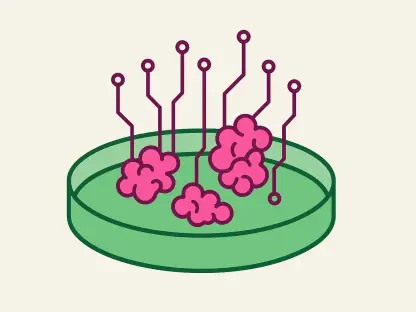
At the helm of Moffitt Cancer Center, Hwu has moved beyond the laboratory to orchestrate large-scale institutional growth, exemplified by the ambitious development of the Speros campus in Florida. This 775-acre hub is conceptualized as a concentrated ecosystem of innovation, often compared to a “Los Alamos” for cancer research, where geographical proximity fosters intense collaboration. Hwu’s primary objective with this massive project is to dismantle the institutional silos that often hinder scientific progress, creating an environment where the world’s leading researchers can share data and resources in real time. By bringing together academic scientists, clinicians, and private sector innovators, Speros aims to reduce the time it takes for a discovery to move from a petri dish to a patient’s bedside. The sheer scale of the project reflects a commitment to long-term infrastructure that can support the high-density intellectual activity required to solve the most persistent challenges in oncology today.
A central component of this collaborative vision is the deliberate integration of seemingly disparate fields, such as biotechnology, pharmaceuticals, and structural engineering. Hwu advocates for an engineering mindset in oncology, suggesting that viewing the immune system as a complex, programmable network can lead to breakthroughs in areas like metabolism and nutrition. This multidisciplinary approach encourages researchers to look beyond traditional biological models, incorporating advanced data analytics and material sciences into their experimental designs. By fostering such an expansive ecosystem, Hwu aims to accelerate the commercialization of breakthroughs, ensuring that logistical or financial barriers do not stall promising treatments. This strategy also involves engaging with industrial partners early in the development cycle to ensure that manufacturing processes are scalable and efficient. The result is a more resilient research pipeline that prioritizes both scientific excellence and the practical necessity of widespread accessibility.
Advancing Precision: Through New Technologies
Under the strategic direction of Hwu, Moffitt has significantly enhanced its technological infrastructure, particularly through the implementation of advanced radiation oncology tools. The launch of a specialized proton therapy center represents a major leap in precision treatment, utilizing high-energy charged particles to target tumors with incredible accuracy. Unlike traditional X-ray radiation, which can affect healthy tissue as it passes through the body, proton therapy allows clinicians to deliver the maximum dose of energy exactly at the tumor site, minimizing collateral damage to surrounding organs. This capability is particularly vital for treating cancers located near sensitive structures, such as the brain, spine, or heart. By reducing the overall toxicity of the treatment, this technology significantly improves patient recovery times and long-term quality of life. Hwu’s commitment to these high-precision tools reflects a broader philosophy of using data-driven engineering to maximize therapeutic impact while minimizing the physiological burden.
Furthermore, Hwu has spearheaded significant investments in the burgeoning field of radiopharmaceuticals, which utilize a “target and kill” mechanism to deliver localized radiation directly to cancer cells. This process involves the use of specialized drugs that bind to unique receptors on the surface of a tumor, carrying a radioactive payload that destroys the cell from the inside out. To support this initiative, Moffitt has invested in critical infrastructure, including a state-of-the-art cyclotron and a dedicated team of radiochemists capable of synthesizing these isotopes on-site. This vertical integration allows for a more rapid development cycle and ensures that patients have access to the latest targeted therapies. By focusing on these molecular-level interventions, Hwu is positioning the center to lead the next major wave of oncological treatments. These efforts highlight a shift toward therapies that are not only more effective but also significantly more personalized than the systemic treatments of previous decades.
Establishing a Legacy: Through Patient Outcomes
Despite the immense responsibilities associated with leading a major cancer center, Hwu remains an active clinician, maintaining a direct connection to patients battling melanoma. This clinical perspective serves as a vital anchor for his administrative and scientific work, providing first-hand evidence of the progress achieved in the field. Melanoma, which was once associated with very high mortality rates, has been transformed into a condition that is often manageable or even curable through modern immunotherapy. Today, more than half of the patients Hwu treats achieve long-term survivorship, a result that would have been unimaginable early in his professional training. This direct experience with patient outcomes reinforces the urgency of his mission and informs his strategic decisions at the executive level. The ability to witness the tangible results of laboratory research in a clinical setting provides a powerful metric for success, demonstrating how scientific innovation translates into more years of life for the individuals under his care.
The transformation of oncological care under this leadership model established a new standard for how medical institutions approached complex diseases. The industry recognized that the separation between research and practice was a barrier that needed to be dismantled through deliberate infrastructure and collaborative policy. Stakeholders in the healthcare sector sought to implement similar multidisciplinary hubs that prioritized the rapid commercialization of biological discoveries. This era was defined by a shift toward precision tools like radiopharmaceuticals and proton therapy, which proved that targeted interventions yielded superior outcomes compared to traditional methods. Moving forward, the focus remained on refining these biological models and ensuring that the engineering mindset continued to influence clinical workflows. The success of this approach demonstrated that the future of medicine relied on a combination of scientific curiosity, strategic administration, and a commitment to personalizing the patient experience at every stage.