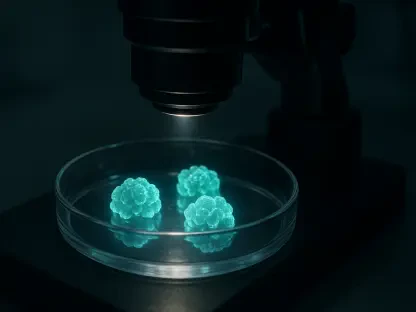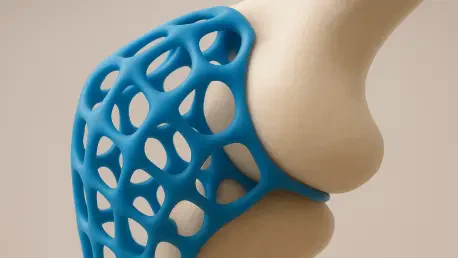

Mesenchymal stem cells exhibit the remarkable ability to differentiate into neurons or bone cells based solely on the mechanical stiffness of their substrate. This discovery has fundamentally altered the landscape of regenerative medicine, positioning hydrogels as more than mere structural fillers. These three-dimensional, water-swollen polymeric networks serve as synthetic or semi-synthetic analogs to the natural extracellular matrix, which provides the essential structural and biochemical support for all cellular life. Because human tissues such as the brain and cartilage are composed of approximately 70% to over 80% water, hydrogels offer a uniquely compatible interface that avoids the mechanical mismatches and chronic inflammatory rejection typically associated with rigid metallic or plastic implants. Their high water content is not just a structural feature but a functional necessity, facilitating the rapid diffusion of oxygen, vital nutrients, and metabolic waste products. This permeability ensures the survival of encapsulated cells while allowing the material to integrate seamlessly with host physiology. As the industry moves through 2026, the focus has shifted toward creating instructive platforms that do not just hold cells in place but actively communicate with them to drive healing and tissue regeneration across various clinical applications.
Engineering the Scaffolding Framework
The Mechanics of Molecular Crosslinking: Stability and Precision
The internal stability and eventual lifespan of a hydrogel are determined by how its polymer chains are tied together, a complex process known as molecular crosslinking. Physical crosslinking relies on reversible, non-covalent interactions such as hydrogen bonding, ionic bridging, or hydrophobic associations. These interactions allow materials to undergo gelation under exceptionally mild conditions, making them ideal for modern clinical procedures. A common example involves alginate coordinating with calcium ions to form a stable network. This approach is highly valued for in situ gelation, where clinicians mix living cells into a liquid precursor that gently solidifies once it is deposited inside the patient. While these physically linked networks are easy to handle and biocompatible, their reversible nature makes them inherently prone to erosion. When subjected to the long-term mechanical stresses of the human body, these materials may lose their structural integrity, which presents a significant challenge for regenerating tissues that require durable, long-term support.
To address these concerns regarding structural longevity, researchers have increasingly turned to chemical crosslinking, which utilizes permanent covalent bonds to secure the polymer network. Techniques such as radical polymerization, click chemistry, or enzymatic coupling allow for the creation of hydrogels with superior dimensional stability and precisely tunable degradation rates. These permanent bonds ensure the scaffold remains intact for the exact duration required for the body to replace it with native tissue. However, because some chemical reactions can be cytotoxic or involve harmful ultraviolet initiation, the current standard of excellence involves the development of hybrid systems. These innovative platforms utilize rapid physical gelation to shape the material immediately upon injection or printing, followed by a secondary chemical crosslinking step to lock in the desired mechanical properties. This dual-stage approach provides the perfect balance between ease of application and long-term durability, ensuring that the scaffold survives the rigorous physiological environment while remaining safe for the encapsulated cellular cargo.
Selecting the Right Polymeric Backbone: Natural vs. Synthetic
The choice of a primary polymer dictates the biological personality of the entire scaffold system, with natural and synthetic options offering distinct sets of advantages and drawbacks. Natural polymers such as collagen, gelatin, and hyaluronic acid are frequently favored for their innate bioactivity. These molecules contain specific sequences that are immediately recognized by human cells, such as the RGD (Arg-Gly-Asp) sequence that promotes cell adhesion and growth. Hyaluronic acid is particularly notable because it serves as more than just a structural filler; it acts as a signaling molecule that interacts with cellular receptors to modulate wound healing and inflammation. Other natural materials like chitosan offer unique benefits, such as a positive electrical charge that makes it an excellent vehicle for delivering negatively charged genetic material. Meanwhile, alginate is often utilized as a bioinert blank slate, providing a controlled environment that minimizes immune activation while supporting the basic structural requirements of the developing tissue.
In contrast, synthetic polymers are valued for their exceptional consistency and their nature as a blank slate for engineering precision. Polyethylene glycol (PEG) remains the industry standard because it resists non-specific protein adsorption, allowing scientists to add only the specific biochemical cues necessary for a particular treatment. This level of control is impossible with natural materials, which often have inherent variability between batches. For load-bearing applications like bone or ligament repair, stiffer synthetic materials such as polycaprolactone (PCL) or polylactic acid (PLA) are preferred due to their slow degradation rates and high mechanical strength. Furthermore, the development of thermoresponsive polymers, such as Poly-N-isopropylacrylamide (PNIPAM), has introduced a new level of convenience into the operating room. These materials remain liquid at room temperature but solidify into a stable gel the moment they reach body temperature, offering a sophisticated, non-invasive solution for delivering therapeutic agents or cells without the need for reactive chemical crosslinkers or external light sources.
Cellular Communication and Environmental Response
Mechanobiology and Cell Fate: The Power of Physical Cues
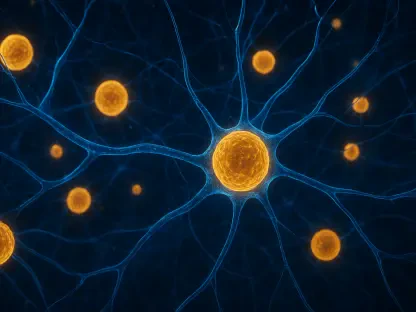
A profound realization in modern tissue engineering is that cells are active mechanosensors that constantly probe their environment to determine their developmental path. Hydrogels provide the perfect medium to exploit this phenomenon by allowing engineers to tune the rigidity of the scaffold to match the natural environment of the target tissue. When mesenchymal stem cells are placed on a very soft hydrogel with a low elastic modulus, they are naturally guided to become neurons. If those same cells are placed on a medium-stiffness substrate, they may differentiate into muscle cells, while a very stiff gel will drive them toward becoming bone cells. This ability to direct cell fate through physical cues alone, without relying exclusively on expensive or unstable chemical growth factors, has revolutionized the design of personalized regenerative therapies. By mimicking the mechanical “feel” of a specific organ, these materials can effectively program stem cells to rebuild damaged tissues with remarkable accuracy and efficiency.
Beyond the simple concept of static stiffness, the dynamic behavior of a hydrogel—specifically its viscoelasticity and stress relaxation—is now recognized as a critical factor in tissue development. Native extracellular matrices are not perfectly elastic; they dissipate energy over time, allowing cells to push against the surrounding fibers, spread out, and migrate to form complex structures. Hydrogels that are designed with specific stress relaxation capabilities allow cells to remodel their surroundings more effectively than they could in a purely elastic, rigid environment. This mechanical flexibility is essential for tissue morphogenesis, as it enables the development of organized cellular networks rather than disorganized clumps. By engineering hydrogels that “give” and “relax” in response to cellular forces, researchers have successfully created environments where cells can thrive, communicate, and eventually form the functional, complex architectures required for organ repair and replacement in modern clinical settings.
Intelligent Delivery and Functionality: Smart Material Responses
To eliminate the need for highly invasive surgical procedures, materials science has advanced the development of shear-thinning hydrogels that can be delivered through a standard syringe. These materials possess a unique molecular structure that allows them to flow like a liquid when subjected to pressure inside a needle but solidify instantly once they are deposited into a tissue defect. This “self-healing” behavior at the macroscopic level ensures that the hydrogel can fill irregular cavities perfectly, providing a custom-fit scaffold for every patient. Furthermore, the liquid-to-solid transition protects delicate encapsulated cells from the mechanical stresses and shearing forces that often occur during the injection process. This capability has made hydrogels the preferred choice for treating deep-seated injuries in the heart, brain, and spinal cord, where traditional surgical access is often too risky or physically impossible for the patient to withstand.
The most sophisticated smart hydrogels are designed to interact dynamically with their biological environment by responding to specific physiological triggers. For example, pH-responsive gels are engineered to release their therapeutic payload only in the acidic environment of a tumor or an infected wound, ensuring that medicine is delivered precisely where and when it is needed most. Enzyme-responsive hydrogels take this sophistication even further; they contain specific peptide sequences that are only cleaved by enzymes secreted by infiltrating cells. This ensures that the scaffold degrades at exactly the same rate that the cells replace it with their own natural matrix, maintaining structural integrity throughout the entire healing process. Additionally, the incorporation of inorganic nanoparticles, such as graphene for electrical conductivity or hydroxyapatite for bone growth, has created nanocomposite systems with multi-functional capabilities. These materials can support the repair of specialized tissues that require electrical signaling, such as the heart or nerves, while simultaneously providing the mechanical toughness needed to survive in the body.
From Laboratory Innovation to Clinical Practice
Advanced Delivery and Biosensing Applications: Bridging the Gap
Hydrogels have evolved into sophisticated high-tech depots for the controlled and sequential release of therapeutic agents. In traditional medicine, drugs are often administered systemically, which can lead to unwanted side effects in healthy organs. However, a hydrogel implanted at the site of injury can be programmed to release multiple growth factors in a specific order—for instance, releasing vascular factors first to establish a blood supply, followed by osteogenic factors to support bone growth. This affinity-based release, where drugs bind to specific molecules within the gel, provides a much more stable and prolonged therapeutic effect than simple diffusion alone. This localized approach not only increases the efficacy of the treatment but also significantly reduces the required dosage, minimizing the risk of systemic toxicity and improving the overall safety profile for patients undergoing complex regenerative procedures.
Beyond therapeutic delivery, the unique properties of hydrogels make them the ideal interface for the next generation of biosensors and electronic implants. Because these materials are soft and aqueous, they significantly reduce the foreign body response and scarring that typically cause conventional electronic sensors to fail over time. Conductive hydrogels allow for the high-fidelity recording of electrical signals from the brain or heart while maintaining a mechanical match with the surrounding tissue. This enables long-term, real-time monitoring of chronic conditions, such as glucose levels in diabetic patients or neural activity in those with prosthetic limbs. As the technology continues to mature through 2026 and 2027, these “living” interfaces will likely become the cornerstone of a closed-loop medical system, where the hydrogel not only supports the growth of new tissue but also monitors the healing process and releases the necessary medicine on demand to ensure an optimal recovery.
The Path Forward: Clinical Integration and Future Systems
The transition of advanced hydrogels from laboratory prototypes to standardized clinical tools required overcoming several significant manufacturing and regulatory hurdles. Researchers successfully addressed the preclinical gap by utilizing the FDA Modernization Act 2.0, which encouraged the use of organ-on-a-chip and organoid platforms to better predict human responses before entering clinical trials. These sophisticated models allowed for the rapid screening of hydrogel formulations, ensuring that only the most effective and safe materials moved forward into human testing. Furthermore, the development of specialized, low-temperature sterilization techniques ensured that the delicate chemical bonds and biological signals within the hydrogels remained intact, solving a long-standing challenge that had previously hindered the commercialization of these materials. Scalable manufacturing processes under strict quality controls also played a vital role in making these therapies accessible to a broader patient population.
The integration of these advanced systems into standard surgical protocols represented a significant milestone in modern healthcare, moving beyond static implants to dynamic, communicative materials. Future considerations must now focus on the long-term monitoring of these “living” scaffolds to ensure they integrate perfectly with the host’s changing physiology over several years. Actionable next steps involve the further miniaturization of the sensing components within the hydrogel and the optimization of biodegradable electronics that can disappear along with the scaffold. As clinicians and engineers continue to refine these platforms, the focus remained on creating a unified vision for personalized medicine. The ultimate goal was to provide every patient with a custom-engineered environment that not only repaired damage but also actively collaborated with the body’s natural healing processes to restore full functionality and improve long-term quality of life across the globe.