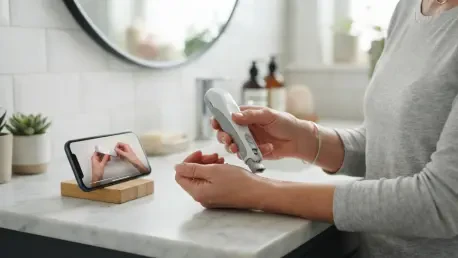

Remote triage by telenurses serves as an essential gatekeeping function that prevents unnecessary hospital visits while ensuring serious complications are escalated to surgeons. For many individuals who have recently undergone colostomy or ileostomy procedures, the sudden transition from a supervised clinical environment to the isolation of home creates a significant psychological and physical burden. Managing a stoma requires not just technical skill but also a high degree of confidence in one’s ability to handle unexpected changes in bodily function and equipment performance. Historically, patients were often left to navigate these challenges through trial and error or by seeking help in emergency departments for non-urgent issues. Modern healthcare has addressed this gap by implementing telenursing programs that provide specialized, real-time guidance. By utilizing high-definition video and secure image sharing, these services empower patients to master their care routines in a familiar environment.
Addressing Technical Challenges and Physical Health
Practical Troubleshooting and Appliance Management
One of the most significant advantages of telenursing is the ability to provide immediate intervention when mechanical failures occur with stoma appliances. Patients often experience acute distress when faced with persistent leakage or an ill-fitting pouching system, which can lead to social withdrawal and physical discomfort. Through remote consultations, specialized nurses can observe the application process and identify subtle errors in technique or sizing that the patient might have overlooked. For example, a nurse might notice that a patient with a recessed stoma is using a flat wafer when a convex adapter would provide a more secure seal. These real-time adjustments are crucial because they prevent the cycle of repeated leaks that can damage the underlying tissue and erode the patient’s self-esteem. By providing specific, actionable feedback on product selection and application, telenurses turn a frustrating technical failure into a successful learning moment.
Furthermore, the diversity of stoma products available in 2026 allows for highly personalized care, but this variety often overwhelms patients who are still recovering from surgery. Telenurses play a vital role in simplifying this landscape by recommending specific accessories like barrier rings, pastes, or adhesive removers tailored to the individual’s unique anatomy. During a remote session, a nurse can demonstrate the precise amount of paste required or the correct way to apply a skin barrier powder to a weeping area. This level of detail is often lost in generic discharge instructions but becomes clear through one-on-one digital interaction. The ability to verify the correct usage of these products remotely ensures that patients do not waste resources or inadvertently cause skin damage through incorrect application. Consequently, telenursing serves as a practical bridge that transforms complex medical instructions into manageable daily habits.
Monitoring Peristomal Skin Integrity
Peristomal skin health is a critical component of post-surgical recovery, as the skin surrounding the stoma is constantly exposed to moisture and chemical irritants. Without proper care, patients can quickly develop complications such as contact dermatitis, fungal infections, or even open wounds that make appliance adherence impossible. Telenursing provides a proactive solution for skin monitoring by encouraging patients to submit high-resolution photographs of the peristomal area at regular intervals. These visual check-ins allow nurses to detect early signs of redness or inflammation before they escalate into severe medical issues. By identifying a minor irritation early, a nurse can suggest a change in the cleaning routine or the use of a different barrier material, effectively halting the progression of the condition. This constant surveillance provides a layer of protection that was previously difficult to maintain outside of a hospital setting.
In more complex cases where skin integrity has already been compromised, telenurses provide a structured framework for wound management at home. They can guide patients through the process of treating sores or cracks, monitoring the healing progress through sequential imagery. This visual documentation is essential for determining the efficacy of a specific treatment plan. If a wound does not show improvement over a 48-hour period, the telenurse can facilitate a direct escalation to a wound care specialist or a surgeon. This systematic approach ensures that patients receive the appropriate level of care at the right time, minimizing the risk of secondary infections. The ability to assess wound depth, color, and exudate via digital tools means that patients can often avoid the physical and financial strain of traveling to a clinic for routine skin checks, provided the condition remains within the scope of home-based management.
Holistic Support and System Integration
Educating for a Better Quality of Life
Beyond the mechanical aspects of appliance management, telenursing offers a comprehensive educational platform that addresses the holistic needs of the patient. Reintegrating into daily life after a stoma surgery involves navigating complex decisions regarding nutrition, physical activity, and personal hygiene. For instance, many patients are uncertain about whether they can safely shower with their appliance or what dietary choices will help prevent painful blockages. Telenurses provide evidence-based guidance on these lifestyle adjustments, offering tips on fiber intake, hydration, and the gradual reintroduction of exercise. This education is tailored to the specific type of stoma—whether it be a colostomy or an ileostomy—ensuring that the advice is clinically relevant and safe. By demystifying these everyday tasks, telenursing helps patients reclaim a sense of normalcy and autonomy, which is often a significant hurdle in the months following surgery.
The educational impact of telenursing also extends to the proper administration of medications and the recognition of systemic symptoms that may require medical attention. Patients are often discharged with a variety of prescriptions for pain management or bowel regulation, and the complexity of these regimens can lead to confusion. Telenurses can review medication schedules during remote visits, explaining the purpose of each drug and monitoring for potential side effects. Additionally, they teach patients how to recognize red flags, such as sudden changes in output volume or the onset of fever, which could indicate a more serious underlying issue. This proactive education empowers patients to become active participants in their own healthcare, rather than passive recipients of treatment. As a result, the transition to home care becomes a period of growth and skill acquisition, rather than a time characterized by uncertainty and fear of the unknown.
Improving Long-Term Patient Outcomes
The implementation of telenursing protocols in 2026 demonstrated that a proactive approach to remote care significantly reduced the burden on traditional clinical resources. Healthcare providers noted that patients who participated in regular telenursing sessions experienced fewer emergency department visits related to stoma complications compared to those who relied solely on traditional follow-up models. The immediate nature of digital support allowed for the resolution of minor issues before they became crises, which in turn optimized the use of hospital beds for more acute surgical needs. Furthermore, the data collected from these remote interactions provided valuable insights into the common challenges faced by the stoma community, allowing for the refinement of discharge planning and patient education materials. By analyzing the types of concerns raised during telenursing calls, clinics were able to develop more targeted interventions.
Ultimately, the shift toward telenursing as a primary support mechanism for stoma patients proved to be a transformative development in chronic disease management. The technology fostered a stronger connection between patients and their healthcare teams, bridging the physical distance that often led to feelings of abandonment after surgery. Looking forward, the focus moved toward expanding access to these services for rural populations and improving digital literacy among older adults to ensure equitable care. Future considerations included the integration of artificial intelligence to assist in the preliminary analysis of skin images, which further streamlined the triage process. By prioritizing rapid response times and secure, user-friendly communication channels, the medical community successfully created a sustainable model for home-based stoma care. These advancements ensured that every patient had the expert guidance necessary to lead a healthy life.