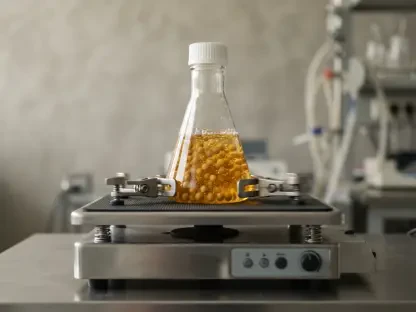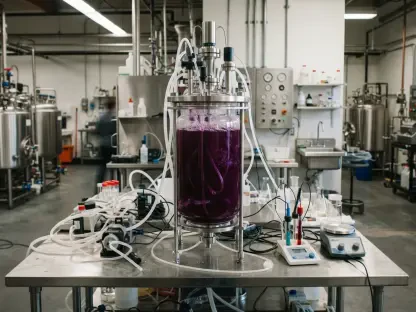
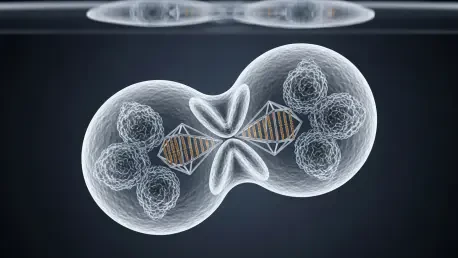
The boundaries between organic existence and laboratory-engineered chemistry have blurred significantly following a landmark achievement where researchers successfully assembled a functional cell from a collection of entirely non-living molecules. Led by Kate Adamala at the University of Minnesota,
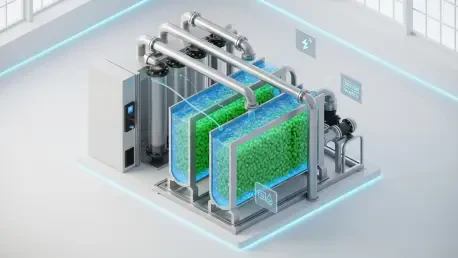
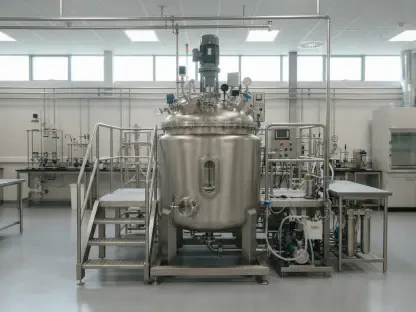
The traditional image of environmental engineering as a field dominated by massive concrete sedimentation tanks and basic filtration is rapidly dissolving in the face of sophisticated biological molecular control and high-precision reactor design. Modern facilities no longer view wastewater or
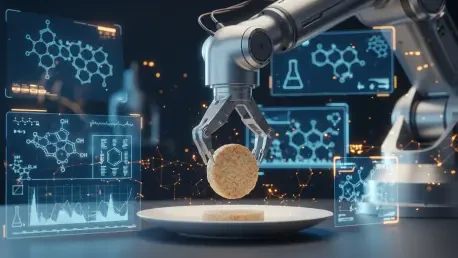
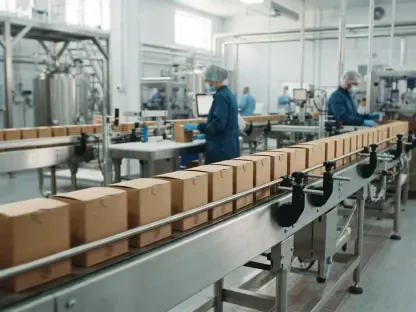
When a machine begins to deconstruct the chemical architecture of a hamburger, it does not see a meal but rather a high-dimensional optimization problem waiting to be solved. This shift represents a significant advancement in the food technology and culinary engineering sectors, where the
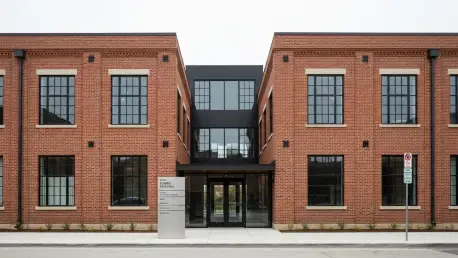
The economic engines driving Florida’s Gulf Coast are currently undergoing a structural transformation that reflects a sophisticated realignment of capital and professional expertise. This shift is not merely a collection of isolated transactions but rather a cohesive movement across the diverse

The delicate balance of temperature, altitude, and humidity that sustains global coffee production is currently facing unprecedented pressure from shifting weather patterns and rising ecological demands. While traditional farming methods have served the industry for centuries, the necessity for
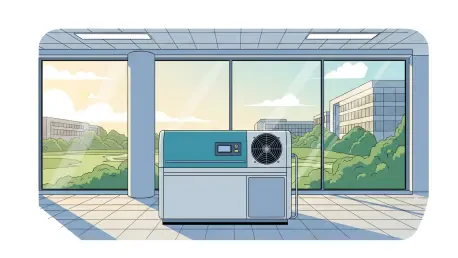
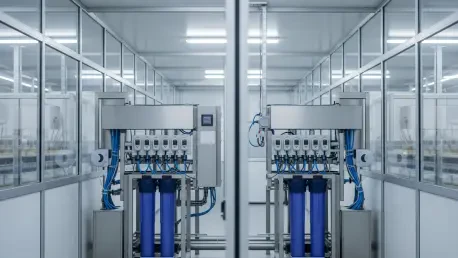
The carbon footprint of a modern biopharmaceutical laboratory is often dominated by the invisible gases circulating within its cooling infrastructure rather than its electrical consumption alone. While facility managers have historically focused on reducing plastic waste and optimizing lighting