
The sudden arrival of the high-pathogenicity avian influenza H5N1 strain across the Australian mainland has shattered the country’s long-standing status as a sanctuary from the global wildlife pandemic that decimated avian populations elsewhere. For years, the vast oceanic distances and strict biosecurity protocols appeared to serve as a sufficient moat, keeping the virulent 2.3.4.4b clade at bay while it ravaged regions from the Americas to Antarctica. However, the discovery of infected carcasses in coastal wetlands and urban parks signals a transformative shift in the regional ecosystem, demanding immediate responses from environmental agencies and public health officials alike. This development is not merely a localized agricultural concern but a full-scale ecological crisis that threatens the survival of unique endemic species already under pressure from habitat loss and climate variability. The presence of the virus in wild populations necessitates a recalibration of how wildlife monitoring and conservation efforts are conducted across the continent.
Ecological Vulnerability and Transmission Pathways
Migratory shorebirds, which traverse the East Asian-Australasian Flyway, have long been identified as potential vectors for the virus, yet the scale of the current outbreak suggests that local transmission is now occurring within resident species. Black swans, pelicans, and various species of honeyeaters are showing signs of infection, leading to mass mortality events that disrupt the delicate balance of wetland food webs. Unlike previous outbreaks of low-pathogenicity strains, this H5N1 variant exhibits an aggressive capacity to jump between disparate avian families, complicating containment efforts in the wild. Scientists are particularly concerned about the potential impact on the Great Barrier Reef’s seabird colonies, where dense nesting sites provide ideal conditions for rapid viral spread. The loss of these apex predators and scavengers could trigger a trophic cascade, resulting in unforeseen changes to vegetation and fish populations. Understanding these pathways requires extensive genetic sequencing to track how the virus adapts to the unique Australian climate and hosts.
The encroachment of the virus into urban and peri-urban environments adds a layer of complexity to the management strategy, as backyard poultry and domestic pets frequently come into contact with wild visitors. In cities like Sydney and Melbourne, public parks have become surveillance hubs where rangers meticulously document unusual behaviors in local bird life, such as neurological distress or sudden respiratory failure. This urban-wildland interface provides a bridge for the virus to move from remote habitats into high-density human areas, increasing the likelihood of spillover events into mammalian populations. While human infections remain rare, the precedent set by H5N1 in other parts of the world suggests that constant vigilance is necessary to identify any mutations that might enhance zoonotic potential. Wildlife rehabilitators have been forced to implement stringent quarantine measures, often having to make the difficult decision to suspend admissions of certain species to prevent the further spread of the pathogen within their facilities, highlighting the severe logistical strain on animal welfare networks.
Biosecurity Strategy and Future Preparedness
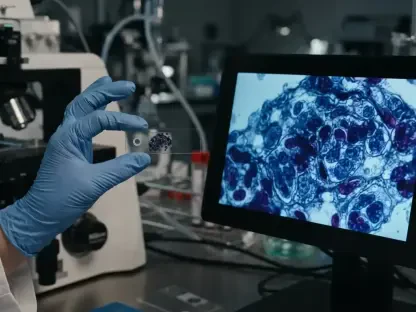
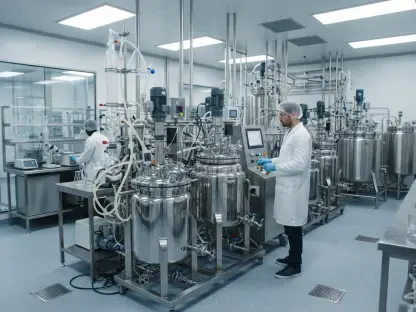
To combat the rising threat, the Australian government and commercial sectors are deploying advanced technological solutions, including drone-based thermal imaging to detect feverish clusters in remote nesting grounds. This real-time data allows for the targeted closure of sensitive areas to minimize human disturbance and reduce the risk of mechanical transmission by boots, tires, or equipment. The commercial poultry industry, valued at billions of dollars, has transitioned into a high-alert state, reinforcing physical barriers and strictly controlling the movements of personnel and vehicles. High-tech filtration systems and automated monitoring of water sources are becoming standard requirements to prevent the virus from breaching industrial sheds. These measures, integrated into a strategic plan for 2026 to 2028, are complemented by a nationwide push for species-specific vaccines. This proactive stance aims to create a buffer zone between the infected wild environment and the food supply chain, ensuring that the economic impact is mitigated while conservation goals are pursued.
The realization that the mainland was no longer isolated from the H5N1 pandemic prompted a fundamental shift in the nation’s approach to biosecurity and environmental management. Stakeholders recognized that traditional reactive methods were insufficient against a pathogen of this velocity, leading to the establishment of permanent genomic surveillance networks across key ecological corridors. These initiatives allowed for the rapid identification of viral variants, which informed the development of more effective mitigation strategies. The integration of ecological health into national security frameworks became essential, treating wildlife diseases with the same urgency as traditional agricultural threats. Actionable steps involved the creation of decentralized diagnostic hubs that enabled local authorities to confirm cases without delays. By prioritizing habitat resilience and investing in vaccine research, the community built a more robust defense. The focus shifted toward international data sharing, ensuring that Australian findings contributed to the global understanding of avian influenza dynamics.