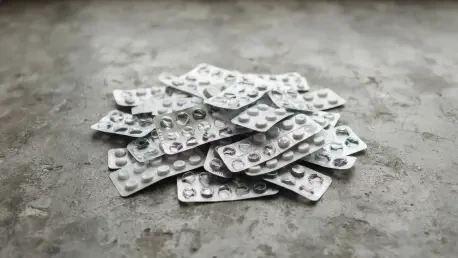

By excluding cardboard outer boxes and paper leaflets, the new satchel focuses specifically on the difficult-to-recycle multi-material blisters that plague traditional waste management. This collaborative initiative, led by Consumer Healthcare Products (CHP) Australia in partnership with Pharmacycle, addresses a critical gap in the nation’s circular economy by providing a streamlined recovery pathway for residential waste. While cardboard is easily managed through existing curbside systems, the complex layers of plastic and aluminum used in medicine packaging have long been relegated to landfills due to a lack of specialized processing facilities at the local level. The introduction of the Recycle at Home Satchel marks a significant shift toward producer responsibility, as major industry players voluntarily fund a system that extends beyond traditional retail drop-off points. This program ensures that individuals living in regional or remote areas can participate in material recovery.
1. Enhancing Accessibility for Healthcare Packaging Recovery
The voluntary collective action taken by CHP Australia members represents a pivotal moment for the consumer healthcare sector, as it moves beyond individual corporate social responsibility targets toward industry-wide environmental solutions. With an estimated 2 billion medicine blister packs used across Australia annually, the environmental footprint of these essential items is substantial. To mitigate this impact, leading brands such as Panadol, Zyrtec, Claratyne, and Demazin have joined forces to support the Recycle at Home Satchel, ensuring that the financial burden of specialized recycling is shared among manufacturers rather than falling solely on the consumer. This industry-led approach recognizes that while blister packs are indispensable for maintaining the shelf life and safety of medications, their post-consumer life must be managed more effectively. By funding this initiative, these organizations are actively reducing the volume of waste destined for landfill sites today.
Beyond simple collection, the program focuses on the technical challenges associated with separating bonded materials in pharmaceutical packaging. Blister packs are typically composed of high-quality aluminum and various types of plastic, such as PVC, which require specific mechanical or chemical processes to be effectively reclaimed. Pharmacycle’s established infrastructure provides a domestic solution for this separation, keeping the entire recycling loop within Australia. This localized processing not only reduces the carbon footprint associated with shipping waste overseas but also creates domestic value from materials that were previously considered worthless. The collaboration between CHP Australia and Pharmacycle serves as a blueprint for other sectors dealing with multi-component packaging that cannot be processed by standard municipal sorting facilities. It emphasizes that meaningful sustainability requires a combination of logistical innovation and strong support from the very companies involved.
2. Strategic Implementation of the At-Home Recycling Model
The Recycle at Home Satchel is strategically priced at a subsidized rate of $9.95 to encourage widespread adoption while covering the logistics of professional processing and return postage. This flat-fee model removes the complexity of variable shipping costs, allowing residents from every corner of the country to return their empty packs through any Australia Post street mailbox or post office. The satchel’s design is purposefully minimal to maximize the volume of actual blister packs being shipped, ensuring that the carbon cost of transportation is balanced by the high volume of recovered aluminum and plastic. For consumers, this offers a level of convenience that matches the ease of purchasing over-the-counter medications, effectively lowering the barrier to entry for environmental stewardship. This shift from physical drop-offs to a mail-in system is particularly vital for the elderly or those with limited mobility who may rely on medication but struggle to visit hubs.
Upon reaching the recycling facility, the contents of each satchel undergo a rigorous mechanical separation process that identifies and isolates the individual material streams. The recovered aluminum is often refined and returned to industrial manufacturing, while the plastic components are processed into pellets for use in the production of various durable goods, such as construction materials or park benches. This transition from a linear “take-make-waste” model to a circular one is essential for meeting national waste reduction targets by 2030. Furthermore, the program highlights the importance of keeping the recycling stream clean; by focusing solely on empty blister packs, the initiative avoids the contamination issues that frequently plague curbside recycling bins. By ensuring that only high-quality, targeted materials enter the processing line, the efficiency of the entire system is optimized, which in turn helps to keep the subsidized cost of the satchels stable.
3. Systematic Guidelines and Future Sustainability Efforts
To participate in this nationwide effort, individuals should follow a clear sequence of actions designed to maximize the purity of the recycled materials. The first step involves gathering materials: keep your empty medicine blister packs at home instead of throwing them in the trash or your standard recycling bin. Second, choose a return method: bring your collected packs to a free participating Pharmacycle location, or if you prefer to recycle from your residence, purchase a Recycle at Home Satchel from the Pharmacycle website. Third, ship the satchel: fill the bag with empty packs, seal it securely, and place it in an Australia Post street mailbox or take it to a post office. Finally, stay informed: visit the CHP Australia website to learn more about the companies involved and the impact of this collective sustainability effort. Following these steps ensures that the system remains viable and that every returned pack is properly accounted for in the recovery statistics reported.
In conclusion, the partnership between CHP Australia and Pharmacycle successfully established a scalable solution for one of the most persistent challenges in household waste management. The initiative proved that voluntary industry collaboration could effectively bypass the limitations of municipal infrastructure by leveraging existing postal networks. Moving forward, the focus shifted toward expanding the volume of recovered materials and encouraging even more manufacturers to join the collective funding model. Consumers were encouraged to integrate these new recycling habits into their regular health management routines, ensuring that every purchase included a plan for responsible disposal. As specialized sorting technologies continued to evolve, the lessons learned from this program provided a framework for addressing other complex packaging types across the healthcare sector. By making material recovery a standard part of the consumer experience, the industry fostered a resilient and conscious supply chain.