
The carbon footprint of a modern biopharmaceutical laboratory is often dominated by the invisible gases circulating within its cooling infrastructure rather than its electrical consumption alone. While facility managers have historically focused on reducing plastic waste and optimizing lighting schedules, the chemistry of refrigeration has emerged as a critical front in the industry’s push toward net-zero operations. These systems are the lifeblood of research, maintaining the strict thermal conditions required for everything from enzyme stability to vaccine preservation. However, the environmental cost of traditional cooling agents is no longer an acceptable trade-off for performance. As the industry moves through 2026, the transition toward low-global warming potential (GWP) refrigerants has transformed from a niche environmental goal into a central pillar of corporate responsibility. This shift requires a fundamental reevaluation of how labs procure, maintain, and eventually retire the high-performance hardware that keeps life-saving science alive.
The Regulatory Push: Environmental Impact and Industry Changes
Chemical Emissions: Addressing the High Stakes of Cooling
Standard fluorinated gases, specifically hydrofluorocarbons (HFCs), have served the industry for decades because of their exceptional thermal properties and non-flammable nature. However, the global warming potential of these substances is staggering, with some common lab refrigerants possessing a climate impact thousands of times greater than carbon dioxide. When a seal fails in a ultra-low temperature freezer or a joint leaks in a high-speed centrifuge, the resulting atmospheric damage can erase years of progress made through other sustainability initiatives. This reality has forced organizations to look beyond the energy label of their equipment and examine the chemical composition within the cooling loops.
The industry is now recognizing that even a minor containment breach represents a significant liability for environmental, social, and governance (ESG) targets. Research facilities often house hundreds of cooling units, ranging from small benchtop incubators to massive walk-in cold rooms, each representing a potential point of failure for chemical containment. Because these gases are often colorless and odorless, leaks can go unnoticed for extended periods until a system failure occurs, leading to significant cumulative emissions. To combat this, modern labs are implementing advanced leak detection sensors and more rigorous maintenance protocols as they transition to inherently safer and greener chemistries.
New Legal Mandates: Navigating Compliance Risks
Regulatory frameworks have shifted from being mere guidelines to becoming strict legal mandates that dictate the future of laboratory procurement and operations. In the United States, the American Innovation and Manufacturing (AIM) Act has set a clear path for an 85% reduction in HFC production by 2036, which is already impacting the availability and pricing of common refrigerants. Simultaneously, the European Union is enforcing even more stringent F-gas regulations that aim to eliminate these high-impact chemicals entirely from certain applications. These legislative actions are not just environmental goals; they are market-altering forces that make legacy equipment increasingly difficult and expensive to service.
The risk of non-compliance extends beyond financial penalties to include potential disruptions in the supply chain for critical laboratory components and servicing. As manufacturers pivot their production lines to accommodate new low-GWP standards, the availability of spare parts for older, HFC-dependent machinery is becoming increasingly unreliable. This shift creates a significant operational risk for biopharma labs, where a single equipment failure can lead to the loss of irreplaceable samples or delayed clinical trials. Forward-thinking organizations are responding by conducting comprehensive audits of their entire cooling inventory to identify which units are most vulnerable to regulatory shifts.
Balancing Cold Chain Integrity: Green Initiatives and Research
Research Value: Protecting the Integrity of Biological Materials
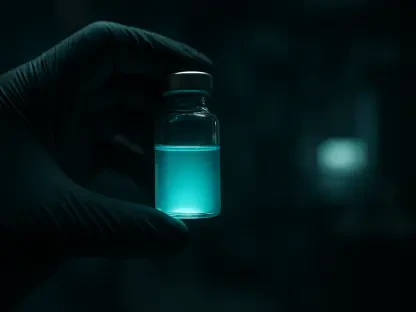
Maintaining the integrity of the cold chain is the most critical technical hurdle when transitioning to sustainable refrigeration in the biopharmaceutical sector. Many biological materials, such as mRNA vaccines, stem cell lines, and specialized enzymes, require precise and unwavering temperature control to remain viable and effective for research or therapeutic use. The concern among scientists is that alternative refrigerants might not provide the same level of rapid pull-down or thermal stability as the HFCs they have relied on for decades. If a new sustainable freezer cannot recover its internal temperature quickly after a door opening, the thermal stress on samples could lead to degraded results.
Achieving this balance requires a deeper understanding of the thermodynamic properties of new refrigerants and how they interact with laboratory hardware under real-world conditions. Biopharma labs are increasingly demanding performance data that demonstrates stability over long durations and under varying ambient conditions to ensure that their most valuable assets are protected. This evidence-based approach is essential for gaining the trust of researchers who are naturally cautious about any changes to the environments housing their work. By partnering with manufacturers who prioritize both environmental metrics and technical performance, labs can ensure that their transition to sustainable cooling does not compromise the quality of their scientific output.
Hardware Complexity: Managing Equipment Diversity and Specialized Designs
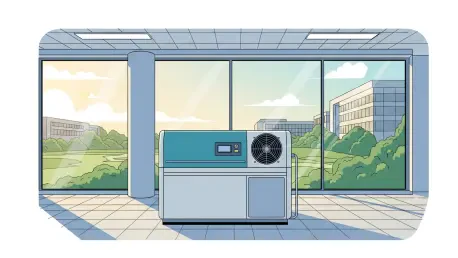
Modern biopharmaceutical laboratories are complex ecosystems filled with a diverse array of cooling equipment, from large-scale industrial chillers to specialized cryogenic storage units. Each of these machines has unique mechanical requirements and service histories, making a universal transition to sustainable refrigerants a significant logistical challenge. A simple drop-in replacement is rarely possible because low-GWP refrigerants often have different pressure profiles and lubrication requirements. This complexity means that lab managers must often replace entire units rather than retrofitting them, which necessitates careful capital expenditure planning.
Beyond the hardware itself, the diversity of cooling needs in a lab requires specialized knowledge for each type of system being updated. Technicians must be trained on the specific nuances of various low-GWP alternatives, as the maintenance procedures for a carbon dioxide-based system are vastly different from those using hydrocarbons. Furthermore, the physical layout of the lab may need to be adjusted to accommodate newer equipment, which might have different ventilation needs or safety requirements based on the refrigerant being used. Navigating this hardware diversity requires a strategic vision that looks at the laboratory as a single integrated system.
Evaluating Next-Generation Cooling Technologies
Sustainable Options: Analyzing Carbon Dioxide Systems
Carbon dioxide, or R-744, has emerged as a frontrunner in the search for sustainable refrigerants due to its negligible global warming potential and its status as a natural substance. Unlike many synthetic alternatives, carbon dioxide does not pose a threat to the ozone layer and is widely available, which helps stabilize long-term operational costs for biopharmaceutical facilities. However, these systems must operate at significantly higher pressures than traditional cooling units, sometimes exceeding ten times the pressure of standard HFC systems. This requires robust equipment design, including thicker-walled piping and specialized safety valves.
Despite these challenges, the thermal efficiency of carbon dioxide at low temperatures makes it an attractive option for large-scale cold storage and specialized laboratory applications. Implementing these systems also demands a high level of technical proficiency from the staff responsible for maintenance and safety. Because the gas is under such high pressure, any maintenance task requires specialized tools and strict adherence to safety protocols to prevent accidents. Many organizations are finding that the long-term benefits of a truly sustainable and high-performance refrigerant outweigh the initial hurdles of training and installation, making it a future-proof choice for modern research hubs.
A2L Refrigerants: Assessing Logistics and Safety Protocols
Another promising category of alternatives involves A2L refrigerants, which are classified as mildly flammable but offer a significant reduction in global warming potential compared to older HFCs. These refrigerants provide a middle ground between the high-impact legacy gases and the more technically demanding natural refrigerants like carbon dioxide. A2L gases are often more efficient than HFCs and can be used in equipment designs that are relatively similar to existing technology. However, their mild flammability introduces new logistical and regulatory challenges that must be addressed before they can be widely adopted.
The logistics of shipping and receiving equipment that contains A2L refrigerants also present unique hurdles for international biopharmaceutical operations. Because of their flammability classification, these units often cannot be transported by air, requiring ground or ocean freight instead, which can lead to longer lead times. Building codes and fire safety regulations often require specific modifications to the laboratory space, such as enhanced ventilation or the installation of flame-arresting equipment. Despite these logistical quirks, A2L refrigerants are gaining traction because they offer a high level of thermal performance that is essential for demanding biopharmaceutical applications.
Strategic Procurement: Supplier Collaboration and Future Planning
Lifecycle Support: Building Partnerships With Equipment Suppliers
The transition to sustainable refrigeration is a complex undertaking that requires more than just a purchase agreement; it demands a deep partnership between labs and their equipment suppliers. In this new era of lab management, organizations are moving away from transactional relationships and toward long-term service models where suppliers provide ongoing expertise. This collaboration is essential because the performance of new refrigerants is heavily dependent on the quality of the mechanical systems and the precision of their maintenance. Labs now expect their partners to be fully transparent about the environmental impact of their products.
Effective supplier collaboration also involves a shared commitment to the ethical disposal and recycling of old cooling equipment and legacy refrigerants. As labs replace their aging HFC-based units, they must ensure that the harmful gases are recovered and destroyed according to the highest environmental standards. Reliable partners play a crucial role in this process by offering buy-back programs or coordinated disposal services that simplify the logistical burden on the lab. This lifecycle approach to equipment management not only helps labs meet their sustainability goals but also mitigates the risk of environmental contamination and legal liability in the long run.
Compliance Strategies: Future-Proofing Laboratory Infrastructure
Future-proofing laboratory cooling systems was a strategic necessity, as equipment purchased in 2026 was often expected to remain in service for more than a decade. A procurement decision made today had to account for the regulatory and environmental landscape of the late 2030s to avoid the risk of premature obsolescence. Choosing natural refrigerants or the most advanced low-GWP synthetics provided a level of insurance against future market shifts and supply shortages of legacy chemicals. Additionally, future-proofing involved investing in modular and upgradeable systems that could be adapted as new technologies became available.
By prioritizing flexibility and long-term viability in their purchasing decisions, labs protected their capital investments and ensured that their infrastructure remained at the cutting edge of sustainability. Modern cooling systems were increasingly integrated into smart building management platforms, allowing for real-time monitoring of energy consumption and performance. This connectivity enabled facilities to identify inefficiencies before they led to increased costs or equipment failure, further extending the life of the hardware. The focus was no longer just on meeting today’s standards, but on building a foundation that could handle the challenges of an environmentally conscious world.