
The economic engines driving Florida’s Gulf Coast are currently undergoing a structural transformation that reflects a sophisticated realignment of capital and professional expertise. This shift is not merely a collection of isolated transactions but rather a cohesive movement across the diverse submarkets stretching from the vibrant urban core of Tampa to the affluent corridors of Naples. Investors and developers are increasingly looking past the volatility of global markets to find stability in the regional fundamentals of the Sunshine State, where population growth continues to outpace national averages. As institutional players recalibrate their portfolios, the emergence of high-profile brokerage movements and strategic land acquisitions signals a new phase of maturity for the local commercial landscape. This period of transition is characterized by a move toward efficiency and long-term viability, as stakeholders prioritize assets that offer both immediate cash flow and substantial value.
Brokerage Realignment: Waterfront Asset Repositioning
One of the most significant indicators of this shifting landscape is the recent consolidation and expansion of major brokerage teams within the Southwest Florida corridor. Gary Tasman, a veteran professional with a multi-billion dollar transaction history, successfully transitioned his established firm to join NAI Burns Scalo, a move that highlights the growing importance of institutional resources in the region. This strategic alignment allows local experts to leverage broader national networks while maintaining the deep community ties that are essential for navigating complex deals. National firms are aggressively expanding their footprint in this specific part of the state, recognizing that the combination of local intelligence and a massive service platform is necessary to compete for large-scale regional contracts. Such moves suggest that the brokerage industry is evolving to meet the needs of a more sophisticated investor base that requires comprehensive advisory services beyond traditional property transactions.
Simultaneously, the land development sector is adjusting to new market realities, as evidenced by the recent sale of a high-profile waterfront parcel in Clearwater Beach. The property, once listed for a much higher price, eventually sold to Blackwater Ventures for a fraction of that original asking amount, illustrating a cooling of the peak-market expectations that characterized previous years. However, this acquisition should not be viewed as a sign of weakness but rather as an opportunistic entry point for savvy capital. Waterfront real estate in high-demand tourism corridors remains a top priority for investors who are willing to hold assets for future redevelopment cycles. By securing prime land at a more sustainable valuation, developers are positioning themselves to capitalize on the enduring appeal of the Florida coast. This approach reflects a broader trend of cautious optimism, where the focus has moved from rapid speculative flipping to the acquisition of trophy locations with significant long-term potential.
Adaptive Reuse: Professional Office and Industrial Hubs
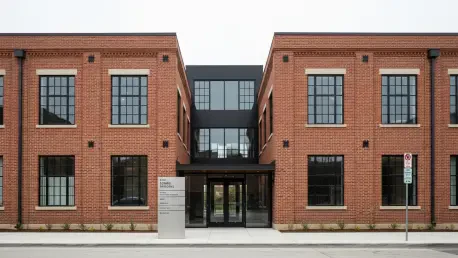
The repurposing of older professional assets is gaining considerable momentum, particularly in gentrifying neighborhoods like Tampa’s Old Seminole Heights. A notable example is the sale of a medical office building at 5010 North Nebraska Avenue, formerly owned by prominent local philanthropists, which has been acquired by a restoration company to serve as its new corporate headquarters. This transition from a specialized healthcare facility to a general business hub illustrates how owner-users are finding immense value in buildings with established local roots. These properties often offer unique architectural features and strategic locations that are difficult to replicate in new construction. As the demand for modern, authentic office space grows, businesses are increasingly looking at existing structures that can be adapted to fit their specific operational needs. This trend is reviving older commercial corridors and providing a sustainable path forward for assets that might otherwise face obsolescence in a fast-paced market.
In contrast to the office sector’s adaptive reuse, the industrial market continues to demonstrate immense institutional strength, particularly within major distribution hubs in East Tampa. The massive Tampa Distribution Center, a cornerstone asset owned by Link Logistics, remains a focal point for significant leasing activity managed by top-tier brokerage teams. Maintaining high occupancy rates in such large-scale industrial parks is critical, as proximity to major transportation arteries like Interstate 4 remains a non-negotiable factor for regional logistics. The demand for modern warehouse space is driven by the continued growth of e-commerce and the need for efficient supply chain solutions across the Florida peninsula. Institutional owners are focusing on upgrading these facilities to incorporate the latest logistics technology, ensuring they remain competitive in a landscape where speed and efficiency are paramount. This sustained interest in the industrial sector underscores the Gulf Coast’s role as a vital gateway for goods movement throughout the region.
Investment Strategy: Retail Stability and Future Growth
The retail sector experienced a steady flow of out-of-state capital, driven largely by investors who sought stable returns through the strategic utilization of 1031 Exchanges. This tax-advantaged approach allowed participants to move capital from more volatile markets into Florida’s necessity-based retail assets, which offered a level of security that was highly attractive during periods of economic fluctuation. A prominent example was the high-value sale of a Sprouts Farmers Market in Venice to a Detroit-based investor, a transaction that showcased the enduring demand for corporate-backed, net-leased assets in expanding suburban communities. These types of investments provided reliable income streams that were largely decoupled from the daily volatility of the broader financial landscape. The regional market proved its resilience through a series of tactical acquisitions that prioritized long-term utility. Looking back, it was clear that the most effective strategies involved a deep understanding of local trends.
Successful stakeholders during this period often implemented proactive property management strategies that enhanced the overall value of their commercial holdings. They prioritized long-term tenant retention and invested in facility upgrades that met the rising environmental and technological expectations of modern tenants. For those who observed these shifts, the most important takeaway was the necessity of identifying assets with strong underlying fundamentals and sustainable growth paths. It was also noted that the integration of sustainable building practices became a key differentiator for attracting high-quality institutional users. Future considerations for regional participants included a greater emphasis on resilient infrastructure and the ability to pivot asset use as consumer habits evolved. Ultimately, the Gulf Coast commercial market demonstrated that those who remained well-informed and agile were able to secure significant opportunities. These actions established a blueprint for navigating the complexities of a maturing and highly competitive regional economy.