
The traditional image of environmental engineering as a field dominated by massive concrete sedimentation tanks and basic filtration is rapidly dissolving in the face of sophisticated biological molecular control and high-precision reactor design. Modern facilities no longer view wastewater or contaminated soil as mere liabilities to be neutralized; instead, they treat these materials as complex substrates for biological conversion, mirroring the rigorous standards once reserved for pharmaceutical manufacturing. This fundamental shift from civil engineering paradigms to bioprocessing frameworks allows engineers to manipulate microbial pathways with surgical precision, significantly enhancing the efficiency of water purification and resource extraction. By integrating genetic insights with chemical engineering principles, current projects are successfully turning hazardous industrial runoff into localized energy sources and high-value biochemical by-products. This evolution represents a complete reimagining of the waste lifecycle, where the focus has moved from simple containment to active value creation through metabolic engineering. As global populations continue to concentrate in urban hubs, these biological systems provide the only scalable path toward managing the immense environmental pressure exerted by modern industrial and residential activities.
Advanced Membrane Technology and Efficient Design
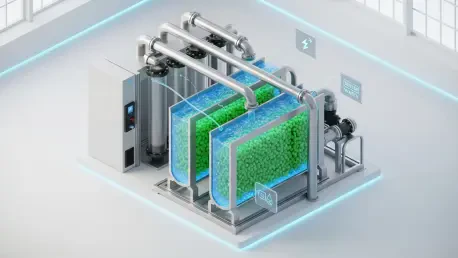
The implementation of Membrane Bioreactor (MBR) systems has fundamentally altered the physical and operational landscape of wastewater treatment by replacing the bulky gravity-based separation methods of the past. Traditional activated sludge systems required expansive secondary clarifiers to allow biological solids to settle, a process that was often slow and prone to disruption by weather or chemical fluctuations. In contrast, MBR technology utilizes advanced microfiltration or ultrafiltration membranes to physically separate treated water from the microbial biomass within the reactor itself. This structural integration facilitates a much higher concentration of mixed liquor suspended solids, allowing the entire biological process to occur within a significantly smaller physical footprint. Municipalities in densely populated areas now rely on these compact designs to increase their treatment capacity without requiring additional land acquisition, which is often impossible in established urban environments. The high-quality effluent produced by these membranes is often clean enough for immediate non-potable reuse, providing a critical buffer for regions currently experiencing significant water stress and fluctuating rainfall patterns.
Engineering teams typically select between submerged and sidestream membrane configurations based on specific energy profiles and the long-term maintenance requirements of a facility. Submerged MBRs involve placing the membrane modules directly inside the aeration tank, utilizing the natural turbulence of the air bubbles to keep the membrane surfaces clean while minimizing the energy needed for liquid transport. On the other hand, sidestream configurations pump the bioreactor fluid through an external membrane unit, which offers much easier access for chemical cleaning and mechanical repairs despite the higher pumping costs involved. Both designs have demonstrated remarkable efficacy in removing complex organic contaminants, with current industrial benchmarks showing removal rates for chemical oxygen demand exceeding 95% in many cases. The choice between these two approaches depends largely on the local cost of electricity and the availability of specialized labor to manage the membrane cleaning cycles. By optimizing these configurations, environmental engineers can tailor treatment solutions to the specific chemical makeup of the waste stream, whether it originates from a domestic sewer system or a heavy industrial manufacturing plant.
Managing Operational Challenges and Energy Production
One of the primary technical hurdles in maintaining these high-efficiency systems is the phenomenon of membrane fouling, where biological debris and extracellular polymers accumulate on the filter surface and restrict water flow. If left unmanaged, fouling leads to a significant increase in transmembrane pressure, which forces the system to consume more electricity and can eventually lead to irreversible damage to the expensive membrane fibers. To combat this, operators implement aggressive mitigation strategies including scheduled backwashing, where clean water is forced backward through the membrane to dislodge particles, and periodic relaxation cycles that pause filtration to let the air scouring process clear the surface. Furthermore, the integration of hybrid systems that utilize plastic biocarriers—small, suspended objects that provide additional surface area for microbial growth—helps to reduce the physical and chemical load on the membranes. These biocarriers stabilize the microbial population and absorb some of the impact of industrial shock loads, making the entire bioprocessing unit more resilient to the unpredictable changes in wastewater composition that often occur during large-scale production cycles.
Anaerobic bioprocessing has emerged as a cornerstone of modern industrial waste management because it provides a mechanism for significant energy recovery while treating heavy organic loads. Unlike aerobic systems that require constant energy-intensive aeration to keep microbes alive, anaerobic reactors function in the absence of oxygen and break down organic matter into methane-rich biogas. This gas is captured and fed into onsite turbines to generate electricity, often allowing treatment plants to become energy-neutral or even net exporters of power to the local grid. This approach is particularly effective for high-strength waste from the food and beverage industry, where the concentrations of organic carbon are high enough to support vigorous methane production. Additionally, anaerobic processes generate significantly less biological sludge than their aerobic counterparts, which drastically lowers the costs and logistical burdens associated with waste disposal and land-filling. By transforming organic pollutants into a renewable fuel source, these anaerobic systems exemplify the shift toward a circular industrial economy where waste streams are integrated back into the facility’s power infrastructure.
Bioremediation and Data-Driven Quality Control
The principles of advanced bioprocessing extend beyond the confines of a treatment plant and into the surrounding landscape through the targeted application of bioremediation for contaminated soil and groundwater. Engineers now employ bioaugmentation strategies, which involve the introduction of specialized, high-performance microbial communities that are specifically selected for their ability to dismantle toxic compounds like hydrocarbons or heavy metals. In many cases, it is more effective to use a diverse consortium of microbial species rather than a single strain, as different organisms can work in a metabolic relay to break down complex pollutants into harmless substances step by step. This biological approach is often less invasive and more cost-effective than traditional “dig and dump” methods, as it treats the contamination in place without disturbing the local ecosystem or requiring massive transportation efforts. By carefully monitoring the chemical environment and providing necessary nutrients like nitrogen or phosphorus, engineers can stimulate the native microbial populations to accelerate the natural cleaning process, effectively turning the ground itself into a massive, slow-motion bioreactor.
To ensure these biological processes meet stringent modern safety standards, treatment facilities have widely adopted Process Analytical Technology (PAT), utilizing real-time sensors to track critical variables with high precision. This data-driven approach allows for active control systems that can automatically adjust chemical dosing, oxygen levels, or flow rates in response to instant data feedback. For instance, sensors measuring dissolved oxygen and pH provide a continuous stream of information that allows the facility’s control software to optimize energy consumption and chemical usage without human intervention. This level of precision is necessary to comply with increasingly strict environmental regulations concerning the discharge of nitrogen and phosphorus, which can cause harmful algal blooms if allowed to enter local waterways in excessive amounts. The shift toward a digitalized, automated bioprocessing environment not only improves the reliability of environmental protection efforts but also provides a wealth of historical data that can be used to predict system performance and prevent operational failures before they occur.
Sustainable Water Reuse and Resource Recovery
The capacity of advanced bioprocessing to eliminate stubborn micropollutants, such as pharmaceutical residues and hormone-disrupting chemicals, has become a vital component of global water security. Older, conventional treatment plants were never designed to handle these complex synthetic molecules, which often passed through the system and into the environment where they could accumulate in the food chain. By utilizing high-density microbial populations and long sludge retention times, modern bioprocessing reactors facilitate the breakdown of these persistent substances, ensuring that the final effluent is safe for a variety of reuse applications. This capability is especially important for industrial facilities that require high-purity process water and for urban centers looking to recycle water for landscape irrigation or industrial cooling. The integration of digital monitoring tools with microbial engineering has enabled a new level of confidence in water reuse, allowing society to treat wastewater as a reliable and predictable resource rather than a waste product that must be discarded.
The industry moved toward a more proactive stance by adopting circular economy frameworks that prioritized the extraction of valuable materials during the treatment process. Engineers established protocols for harvesting phosphorus and nitrogen from waste streams to produce high-grade fertilizers, which helped to reduce the environmental impact of traditional mining and chemical synthesis. Treatment facilities integrated advanced sludge management techniques that converted biological solids into nutrient-rich soil conditioners, successfully diverting thousands of tons of waste from landfills. Research teams developed specialized bioprocessing pathways that allowed for the recovery of rare metals and specialized polymers from industrial runoff, further increasing the economic viability of modern environmental engineering projects. Municipalities invested in the retraining of their technical staff to manage these complex biological and digital systems, ensuring that the workforce was prepared for the demands of high-precision environmental management. These actions effectively bridged the gap between environmental protection and industrial production, creating a resilient infrastructure that supported both ecological health and economic growth.