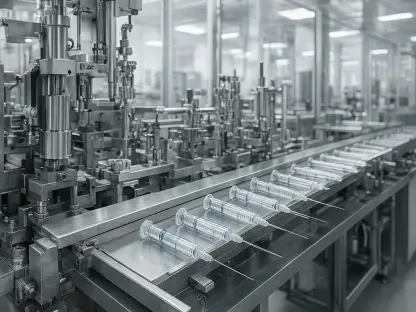
Modern industrial sectors are witnessing a quiet revolution where microscopic organisms are replacing heavy machinery and toxic solvents in the race for cleaner and more efficient production. Industrial bioprocessing allows for the creation of complex medicines derived from living organisms,
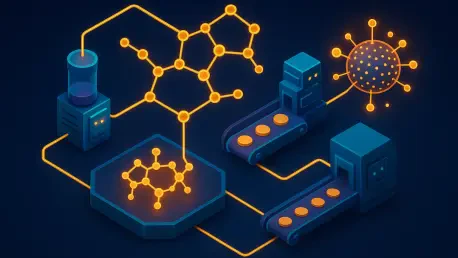
The inherent inefficiencies of the autologous model are tied to a one-batch-per-patient approach that restricts throughput and maintains high market prices for oncology treatments. While Chimeric Antigen Receptor (CAR) T-cell therapies have redefined oncology by providing life-saving results for
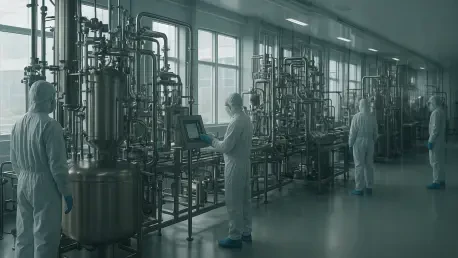
Personalized medicine is emerging as a primary catalyst for manufacturing innovation, requiring flexible platforms that can efficiently produce high-yield therapies for smaller patient populations. This fundamental shift marks the end of the traditional era where massive, stainless-steel vats

Modern pharmaceutical development frequently stalls when chemists deliver a bulk powder that formulation scientists cannot effectively process into a stable dosage form. This persistent challenge is largely a relic of outdated, siloed organizational structures where drug substance synthesis and
Industry groups are requesting concrete examples of how prior clinical data can be used to optimize dosing and streamline trial designs for rare disease therapies. This collective push follows the release of the Food and Drug Administration's draft guidance concerning the use of prior knowledge in
The medical landscape is currently grappling with a profound paradox as the most promising frontier in immunology faces an unprecedented crisis of confidence. The biopharmaceutical sector must now determine if the high levels of toxicity tolerated in oncology are an acceptable trade-off for